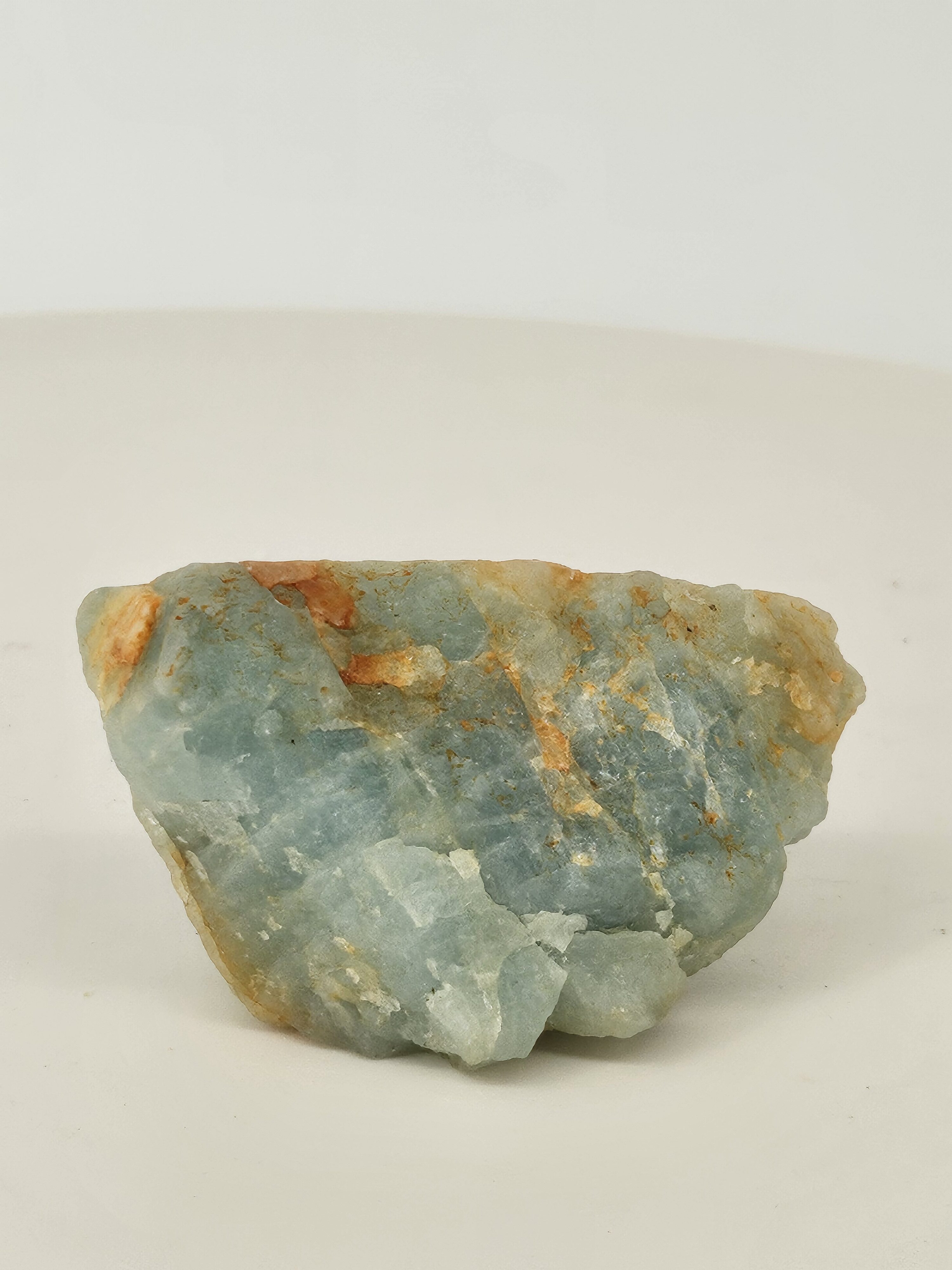
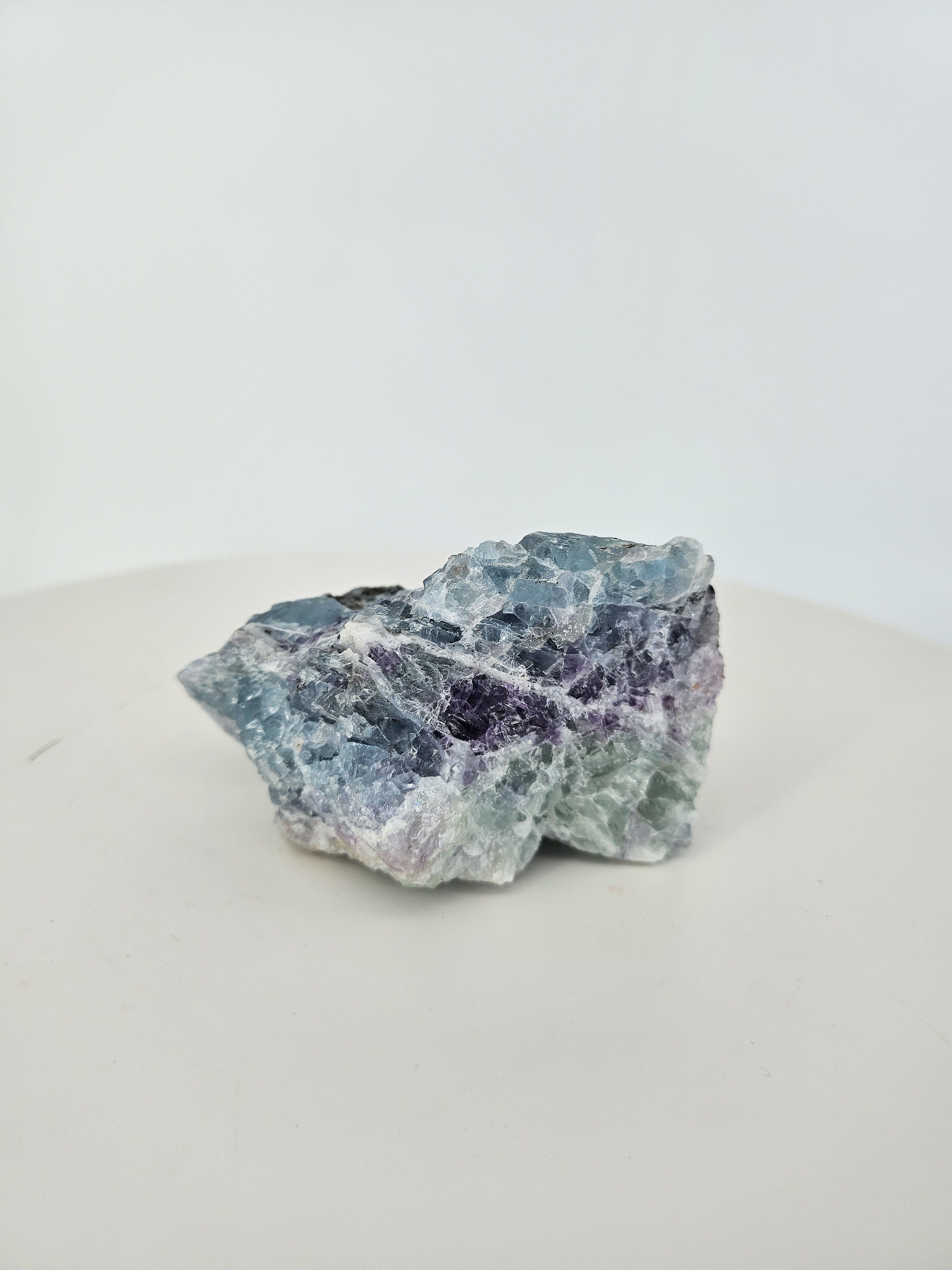
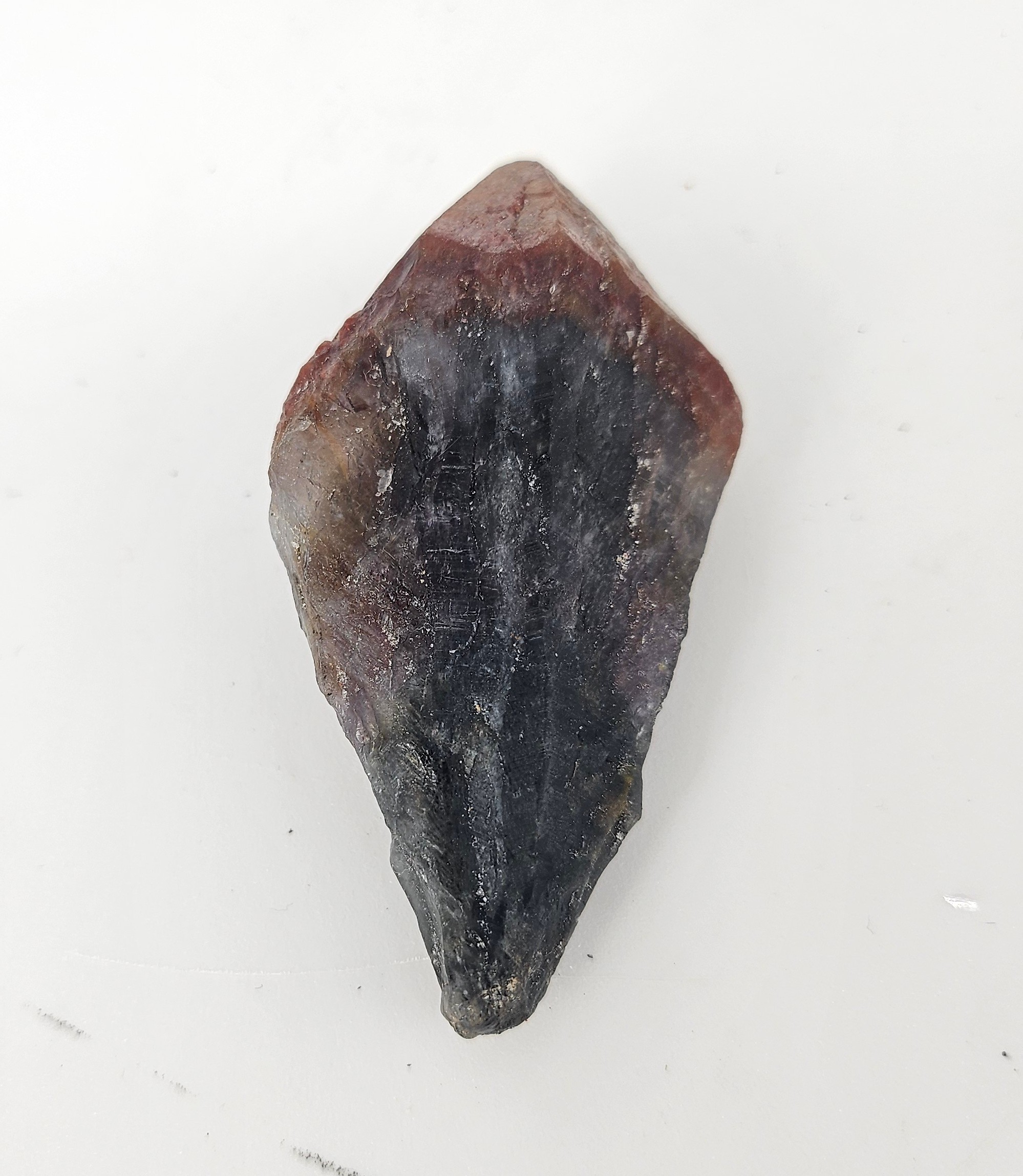
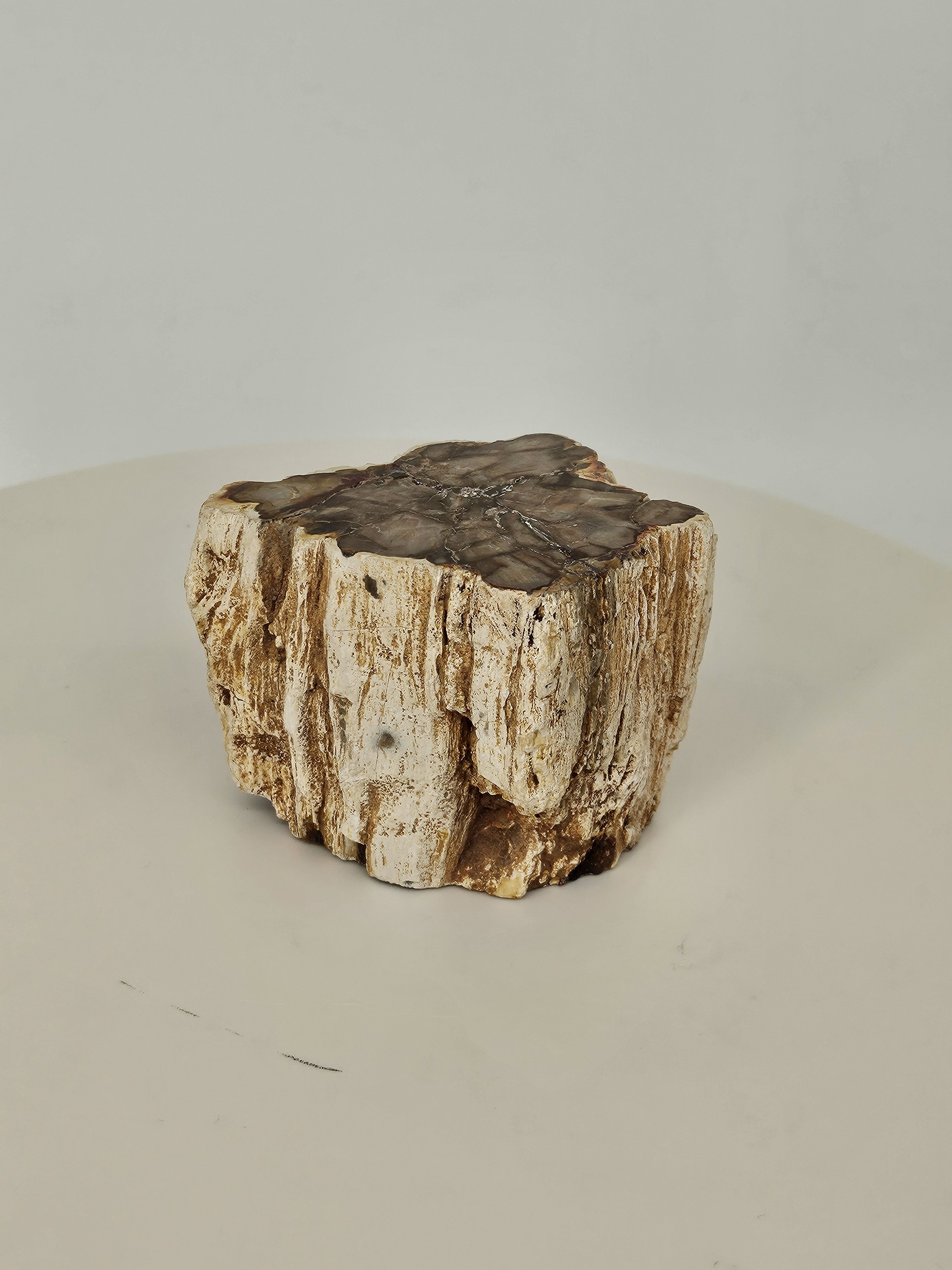
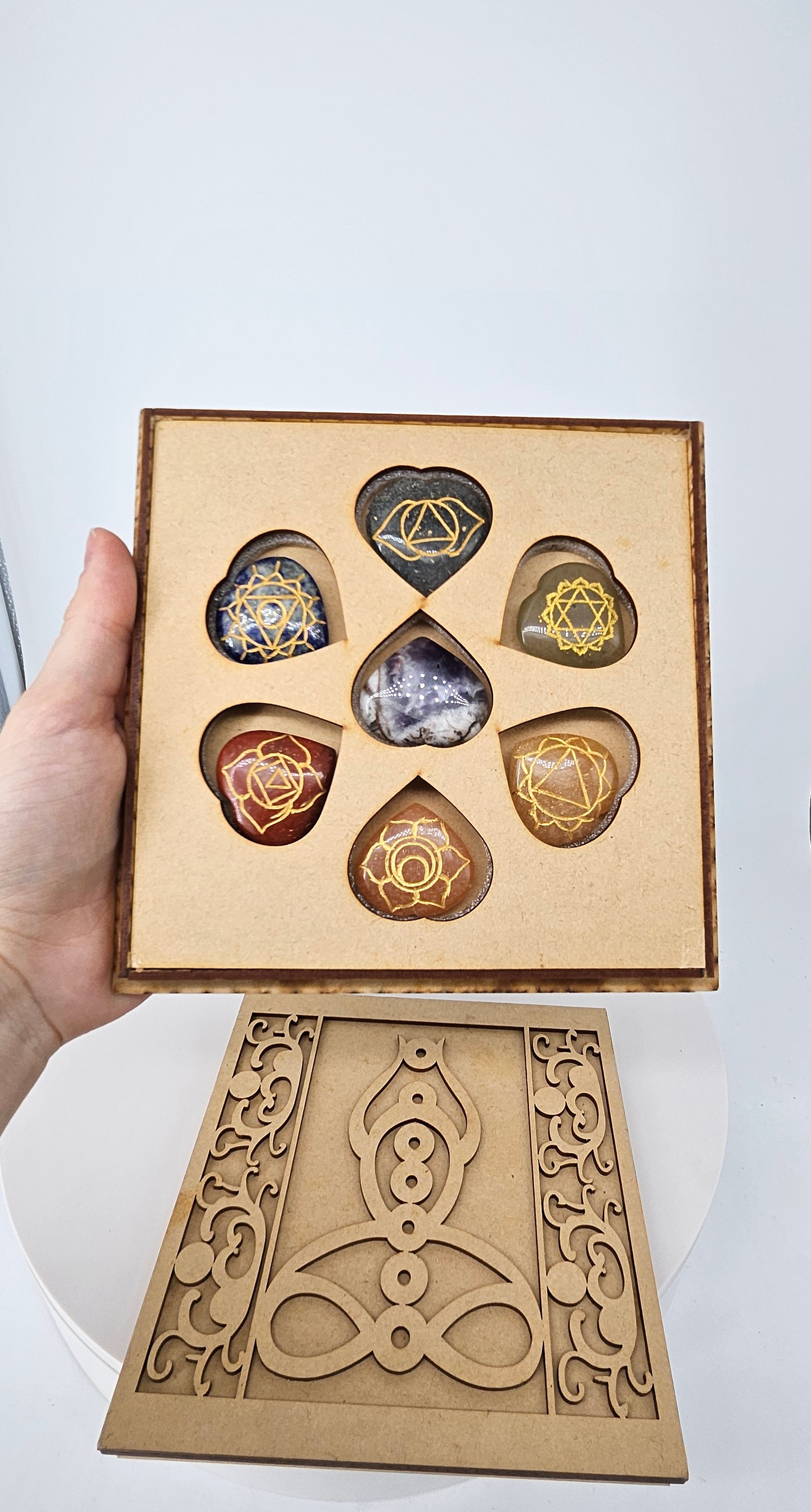
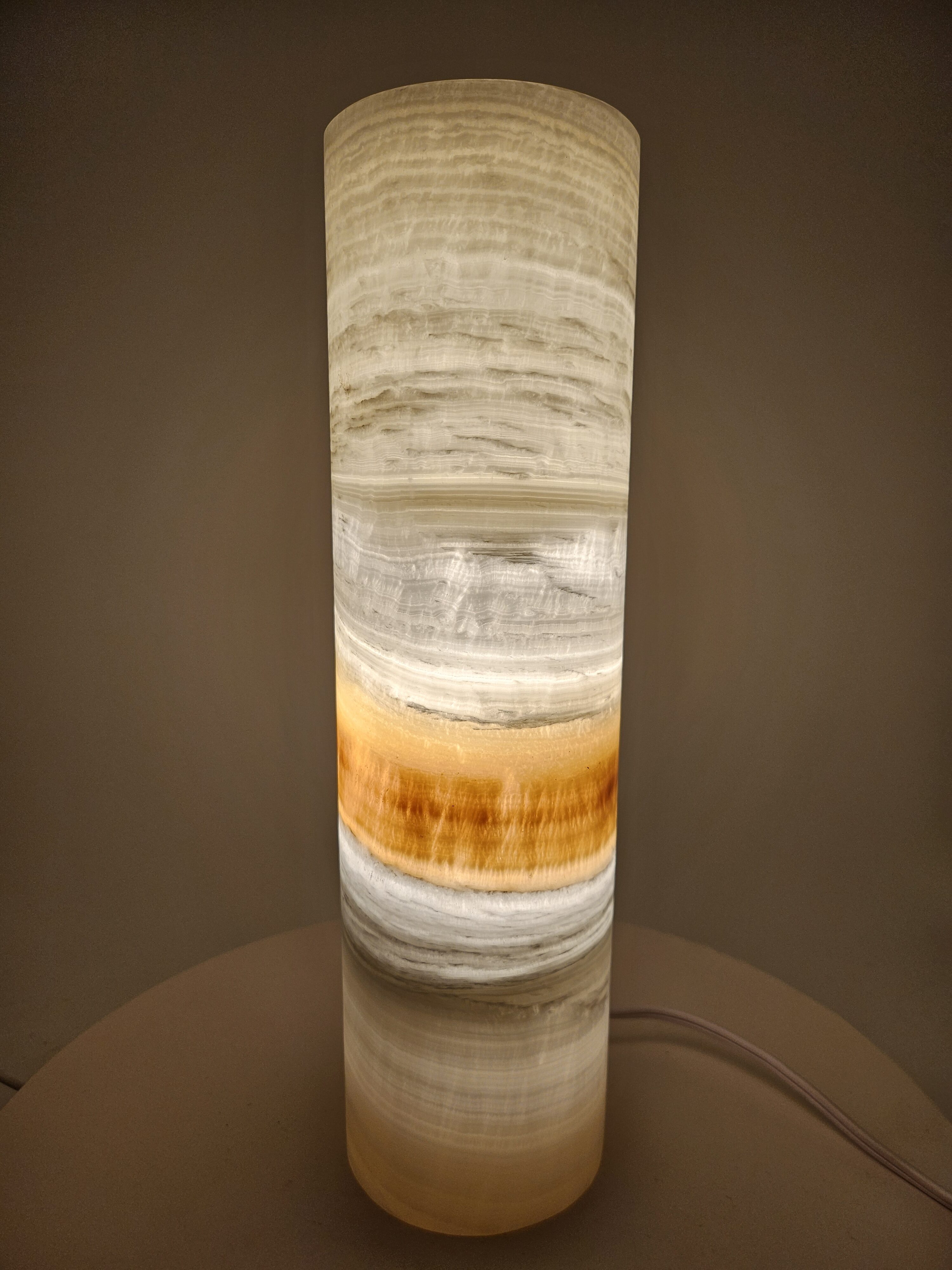
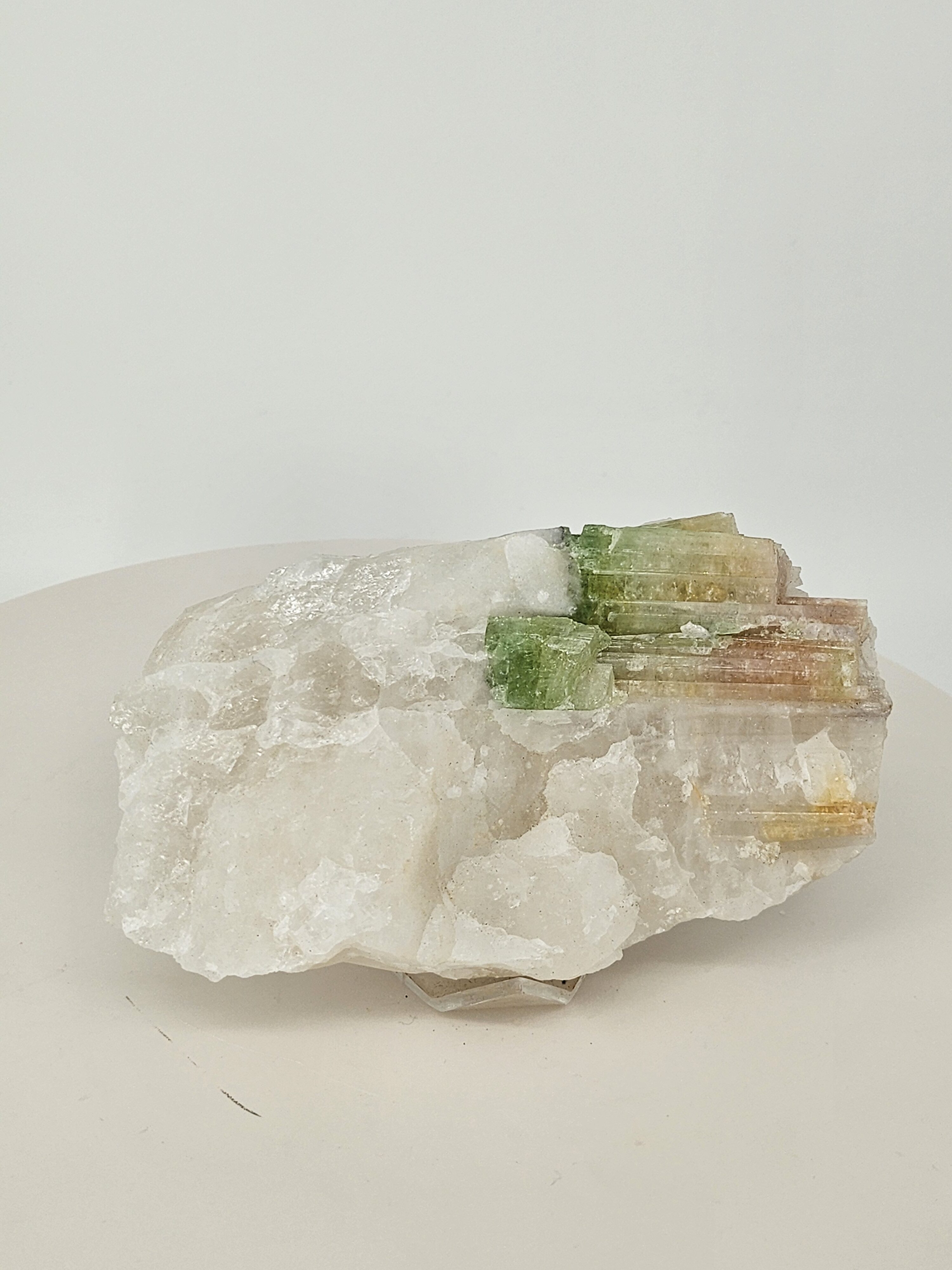
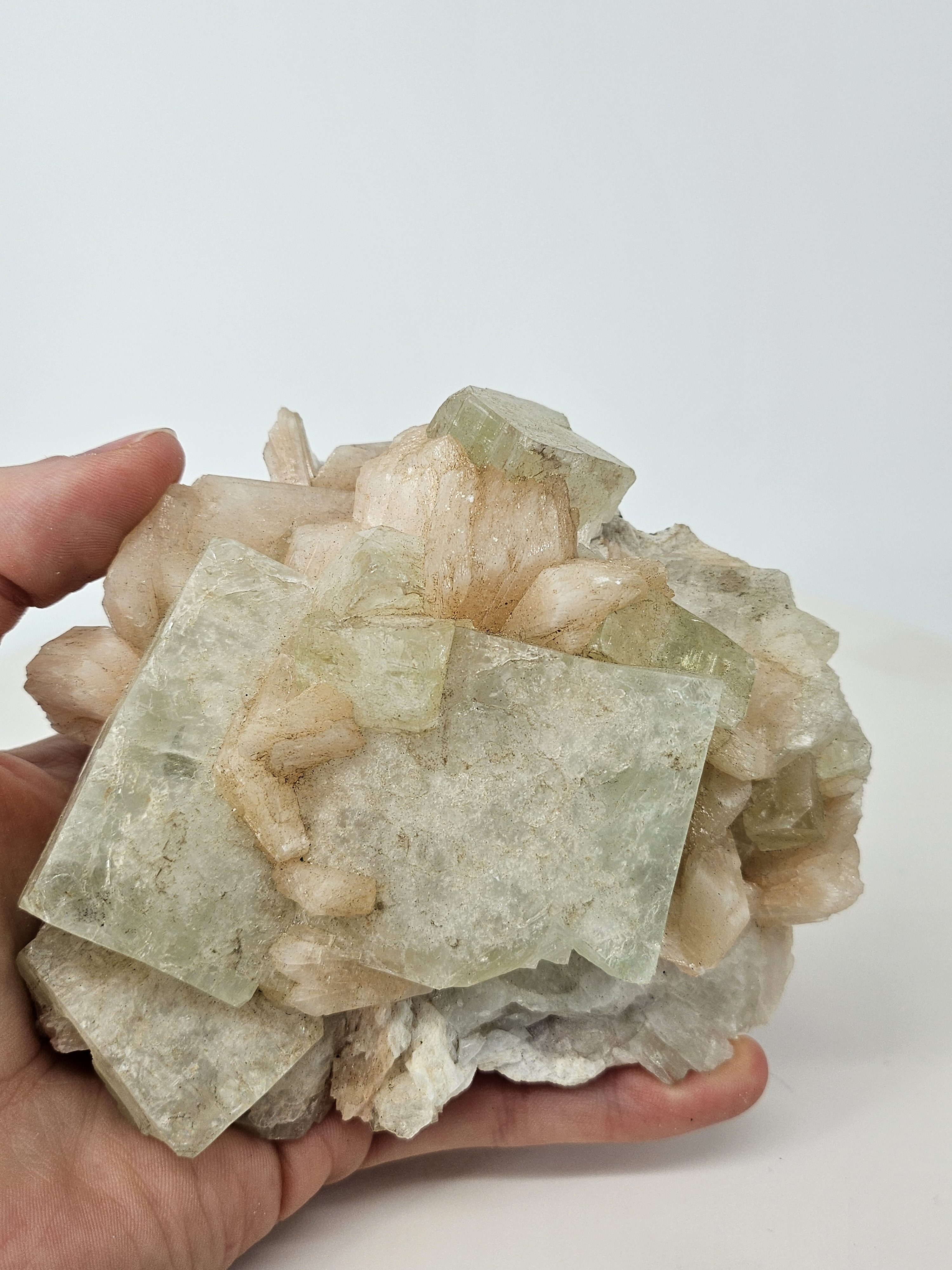
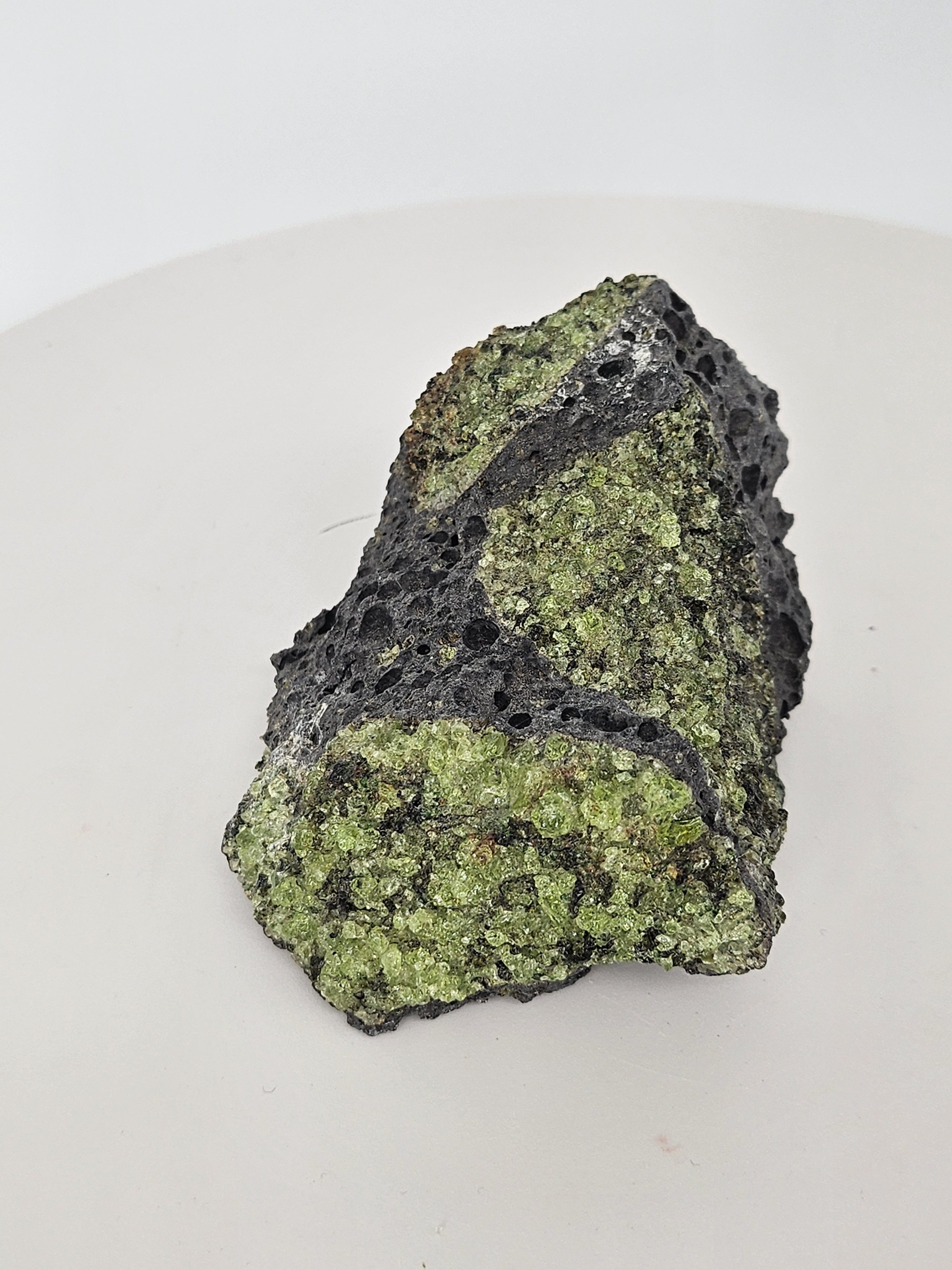
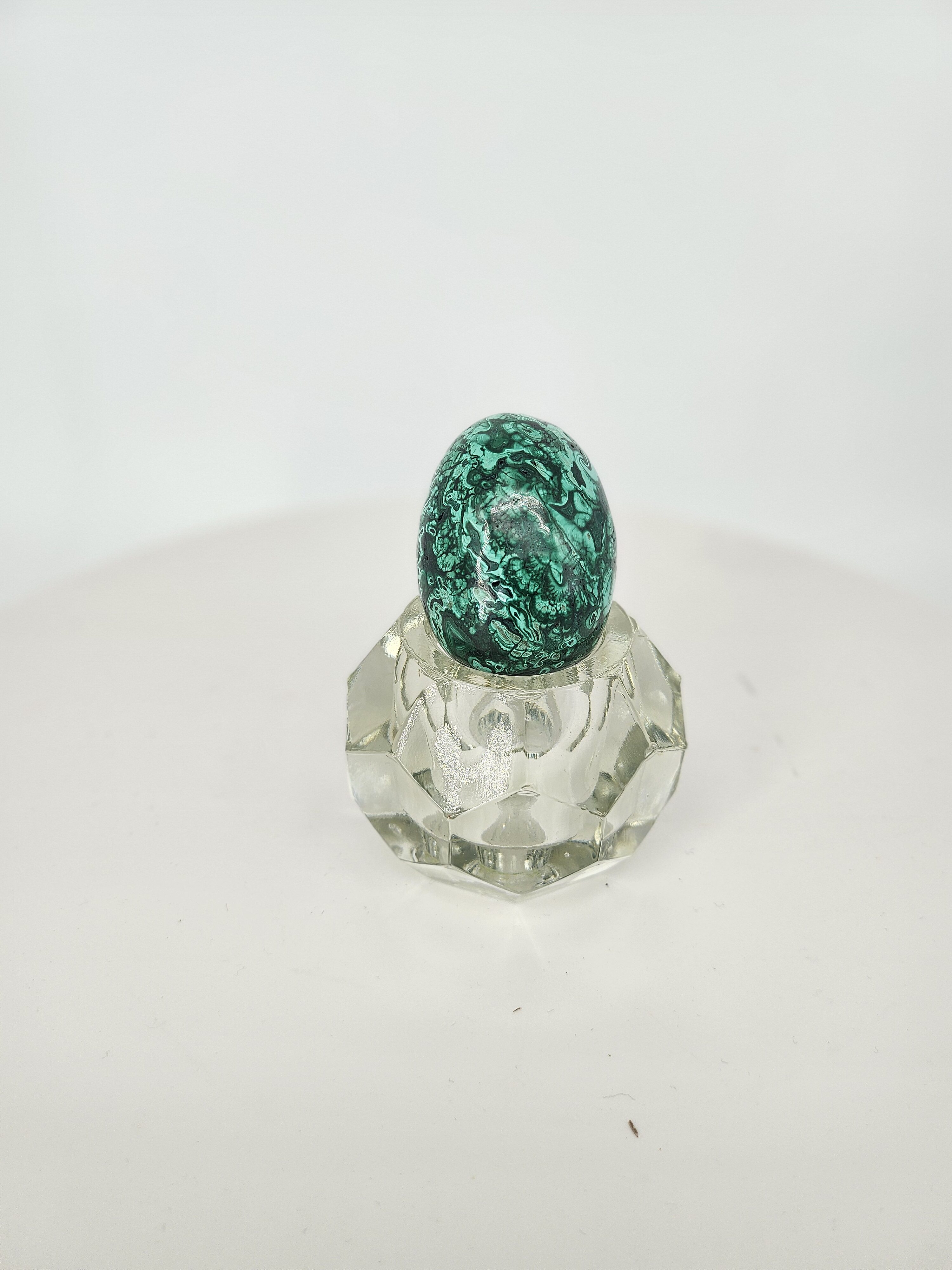
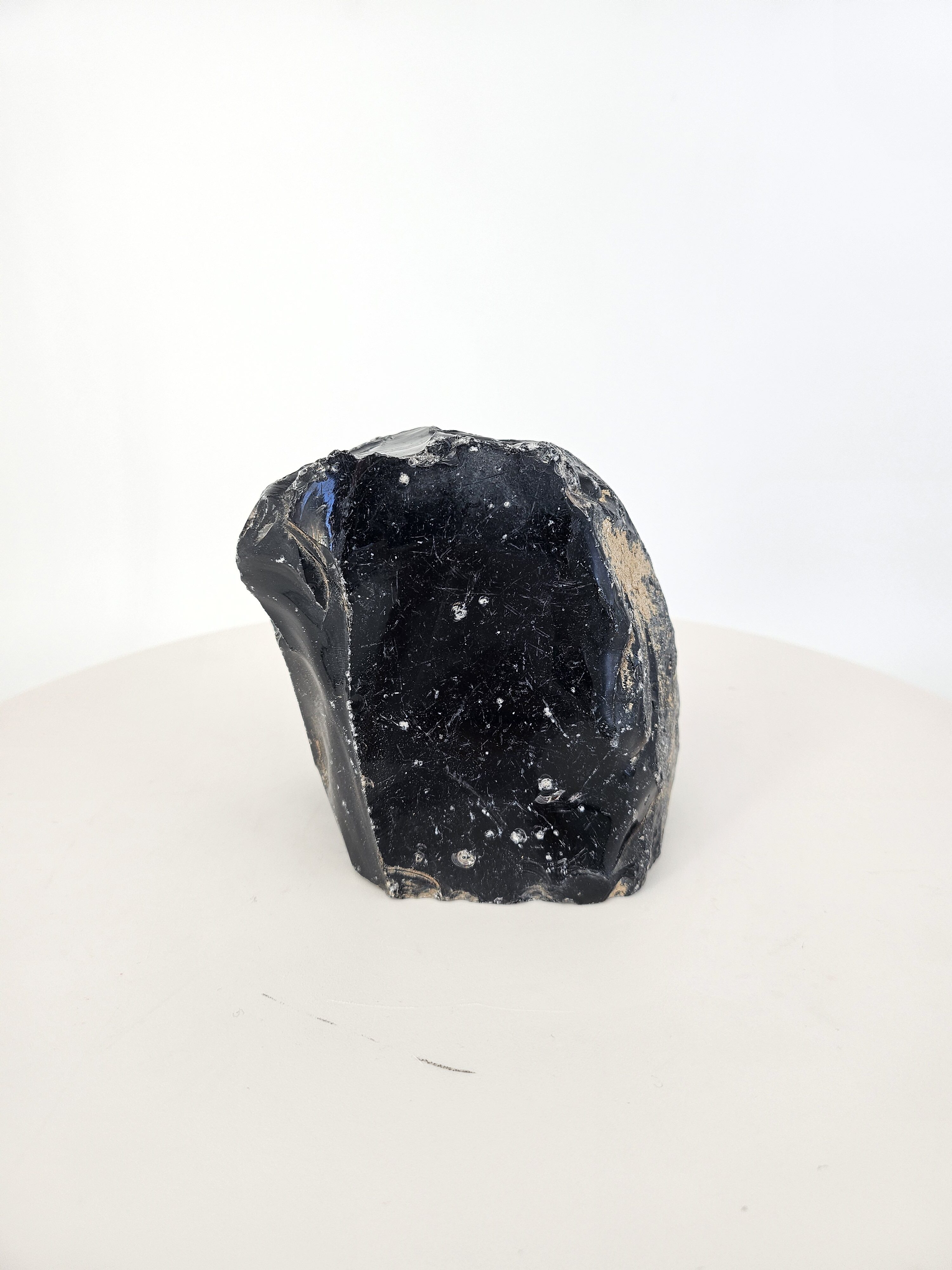
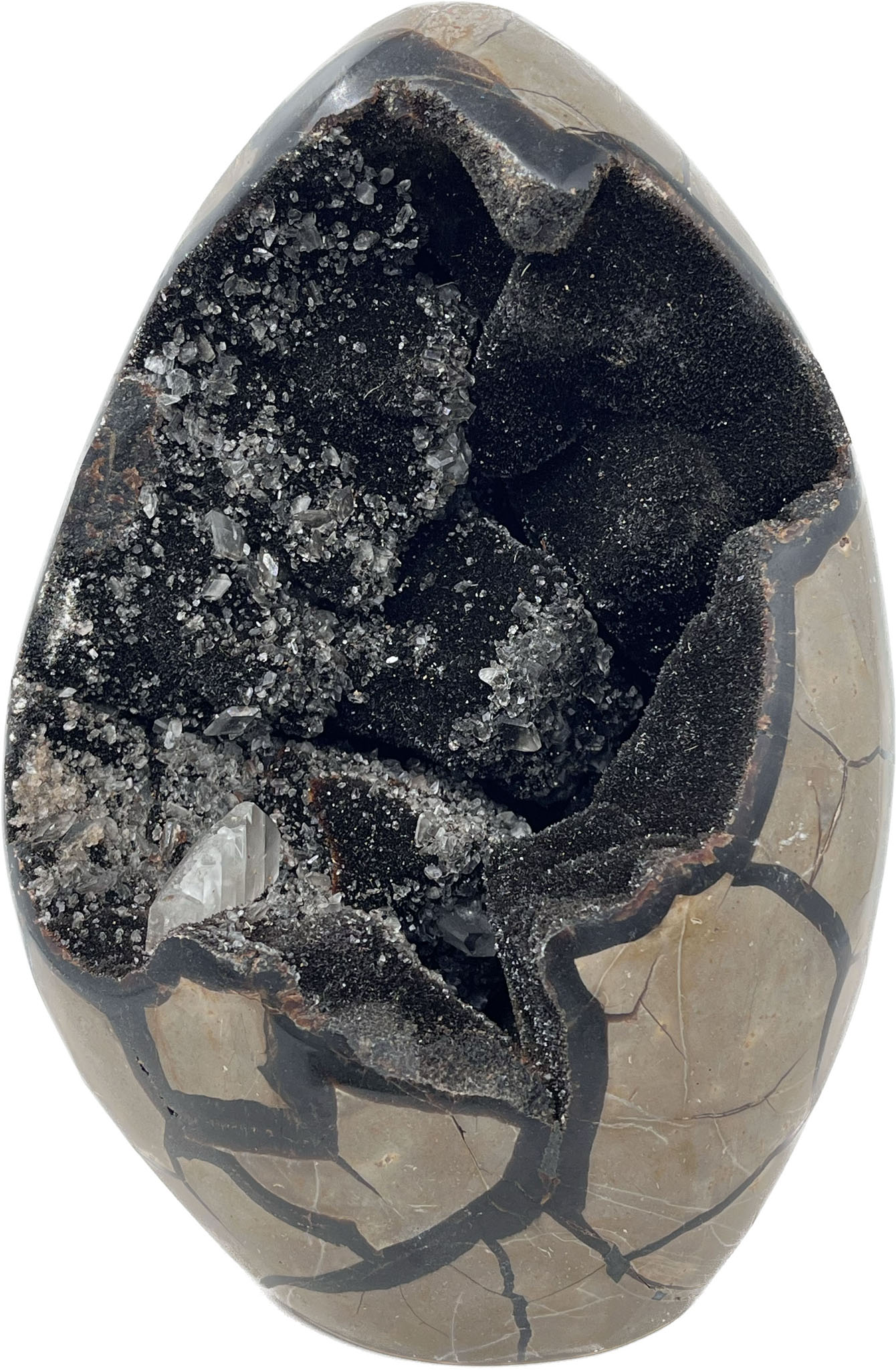
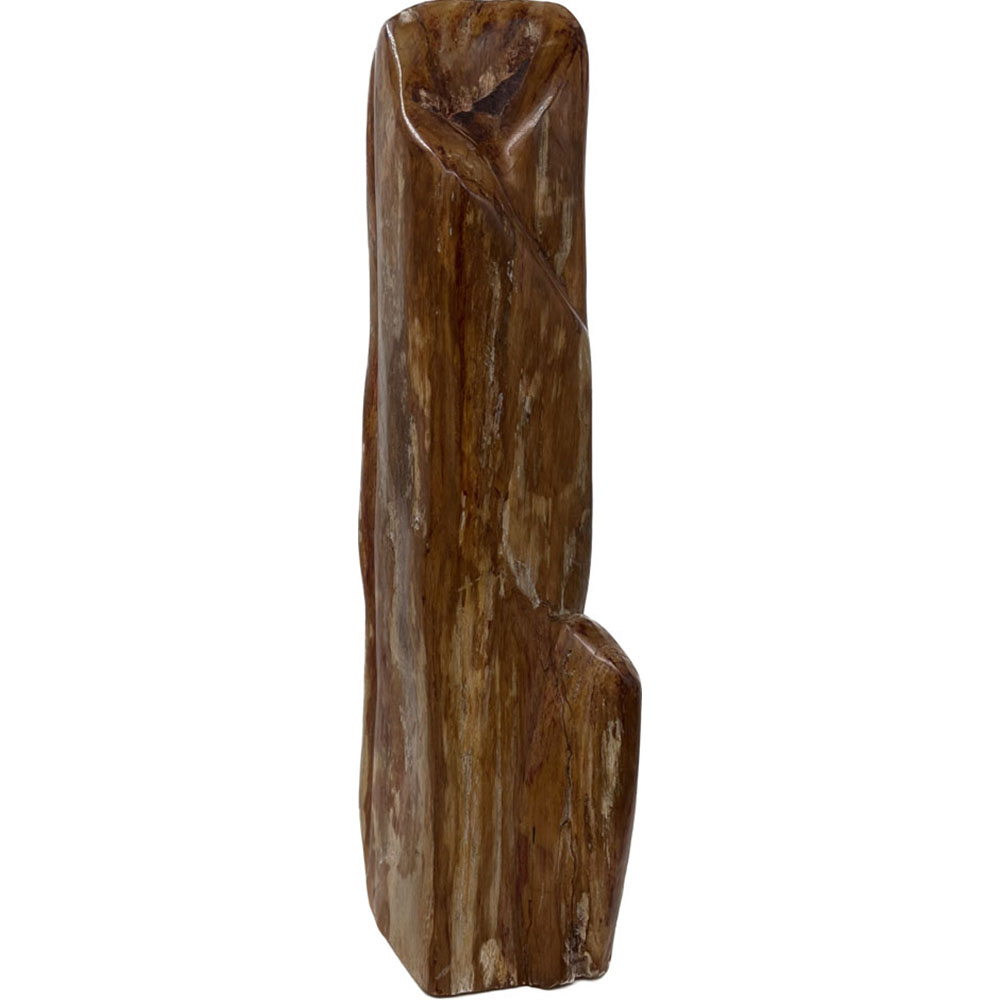
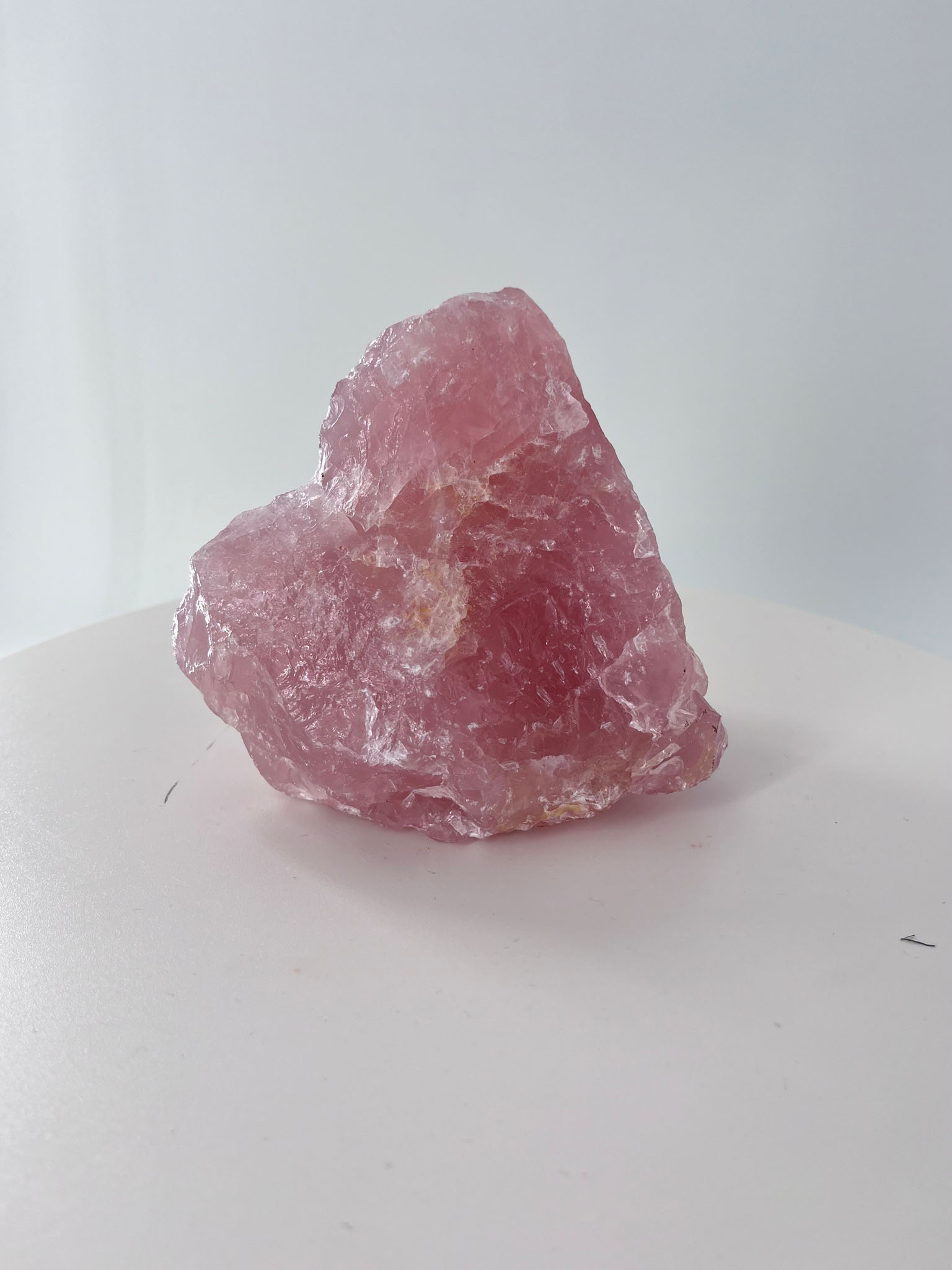
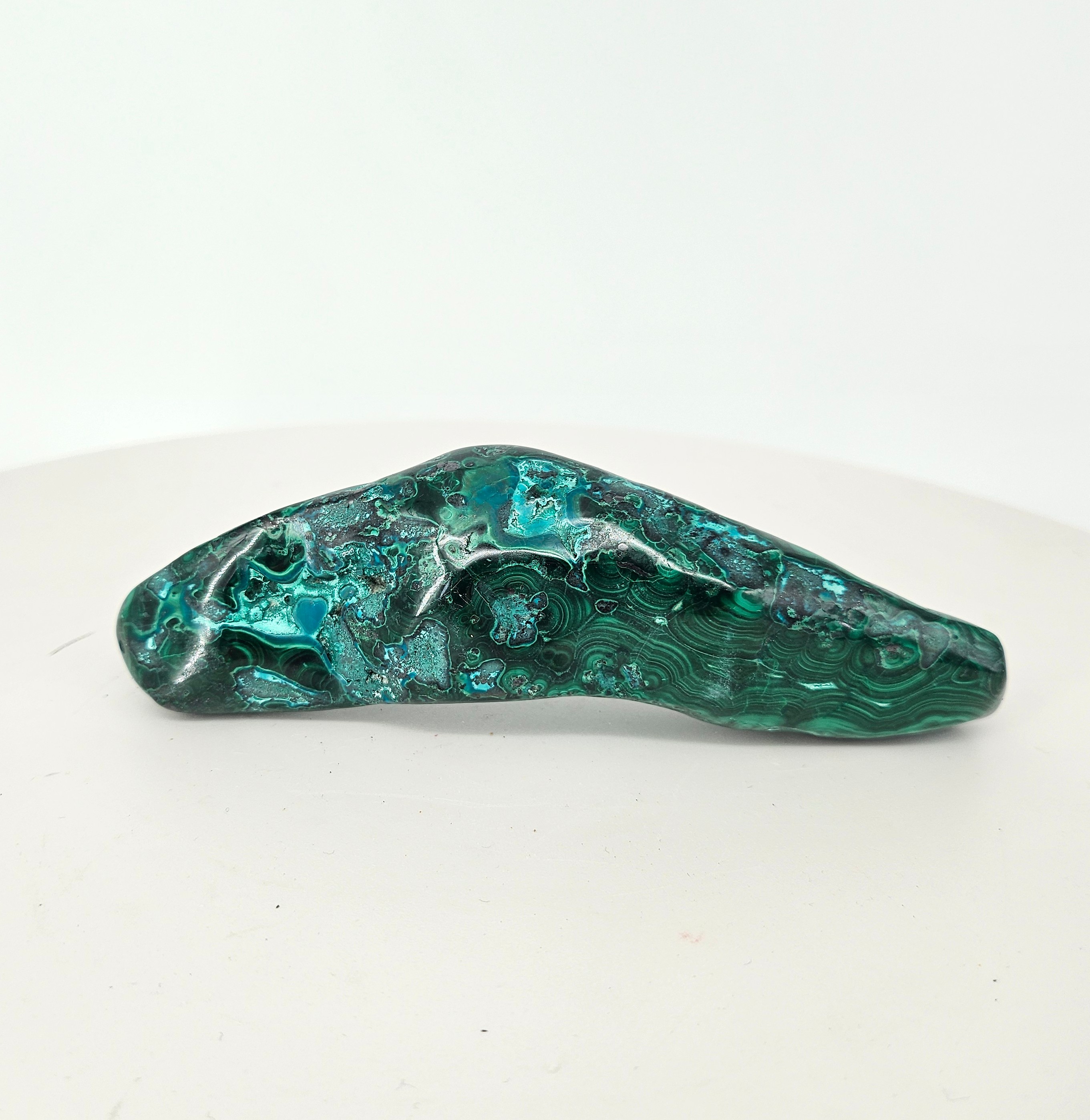
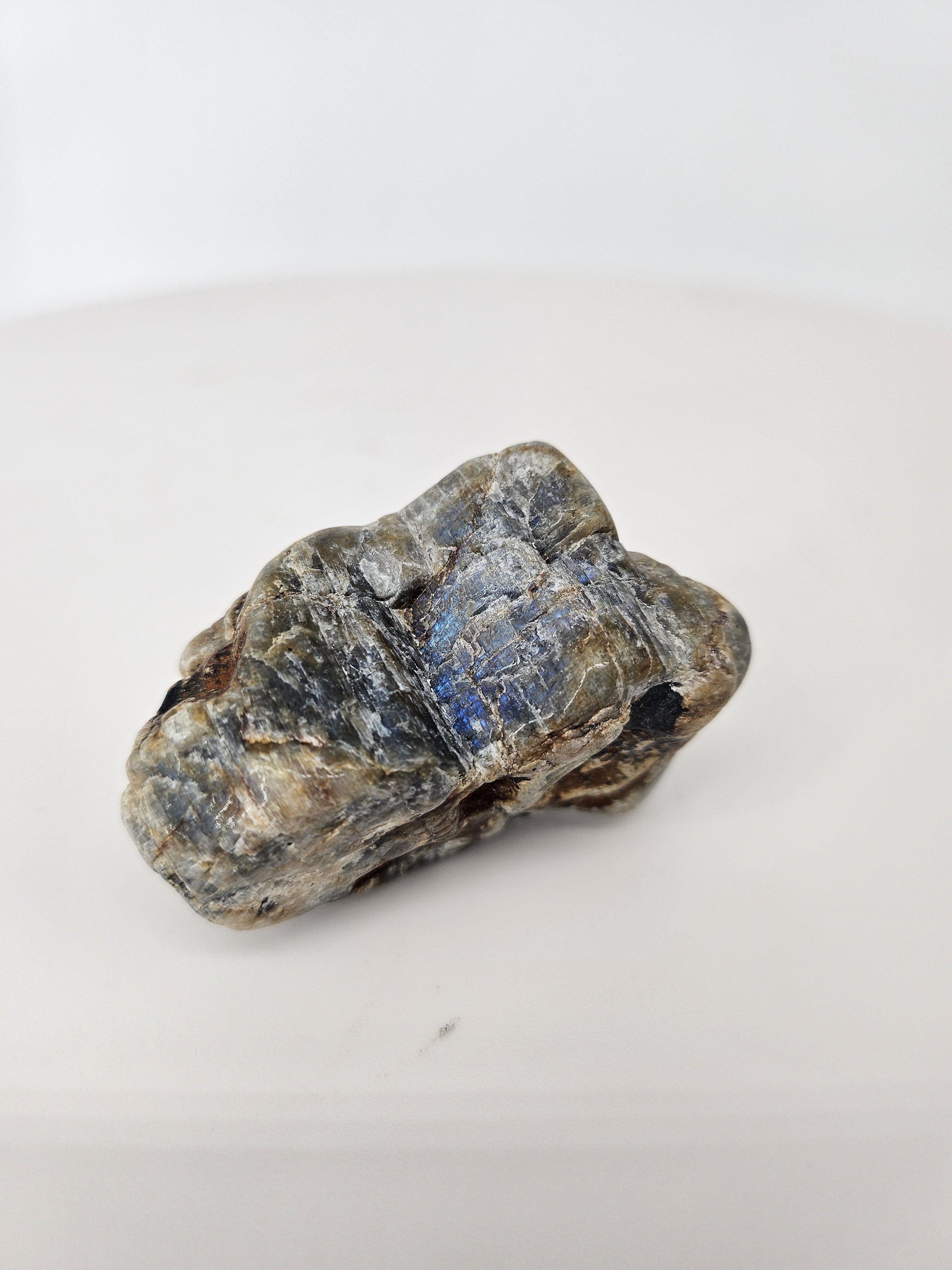
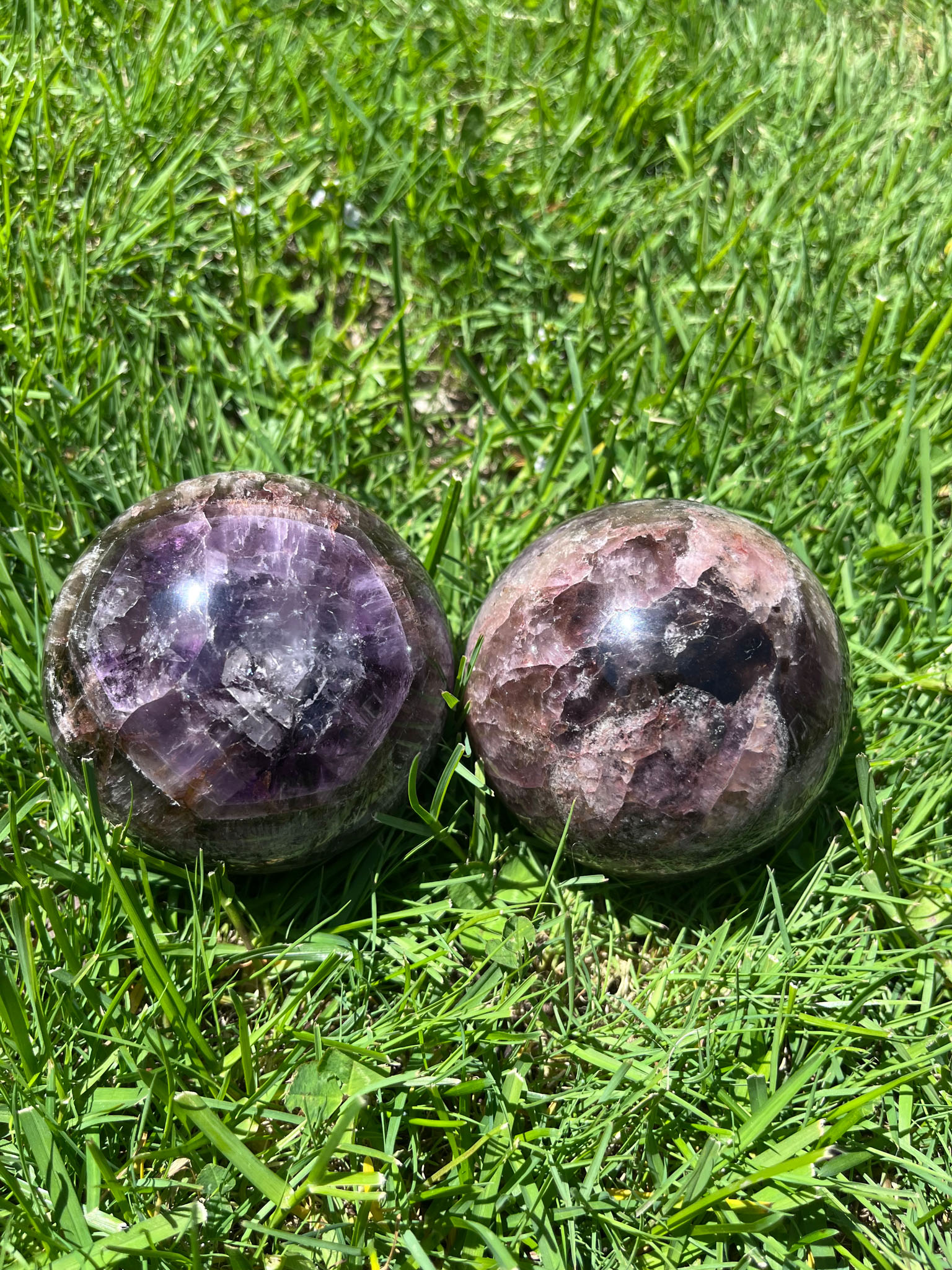
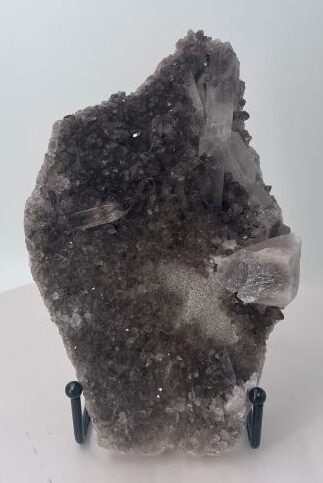
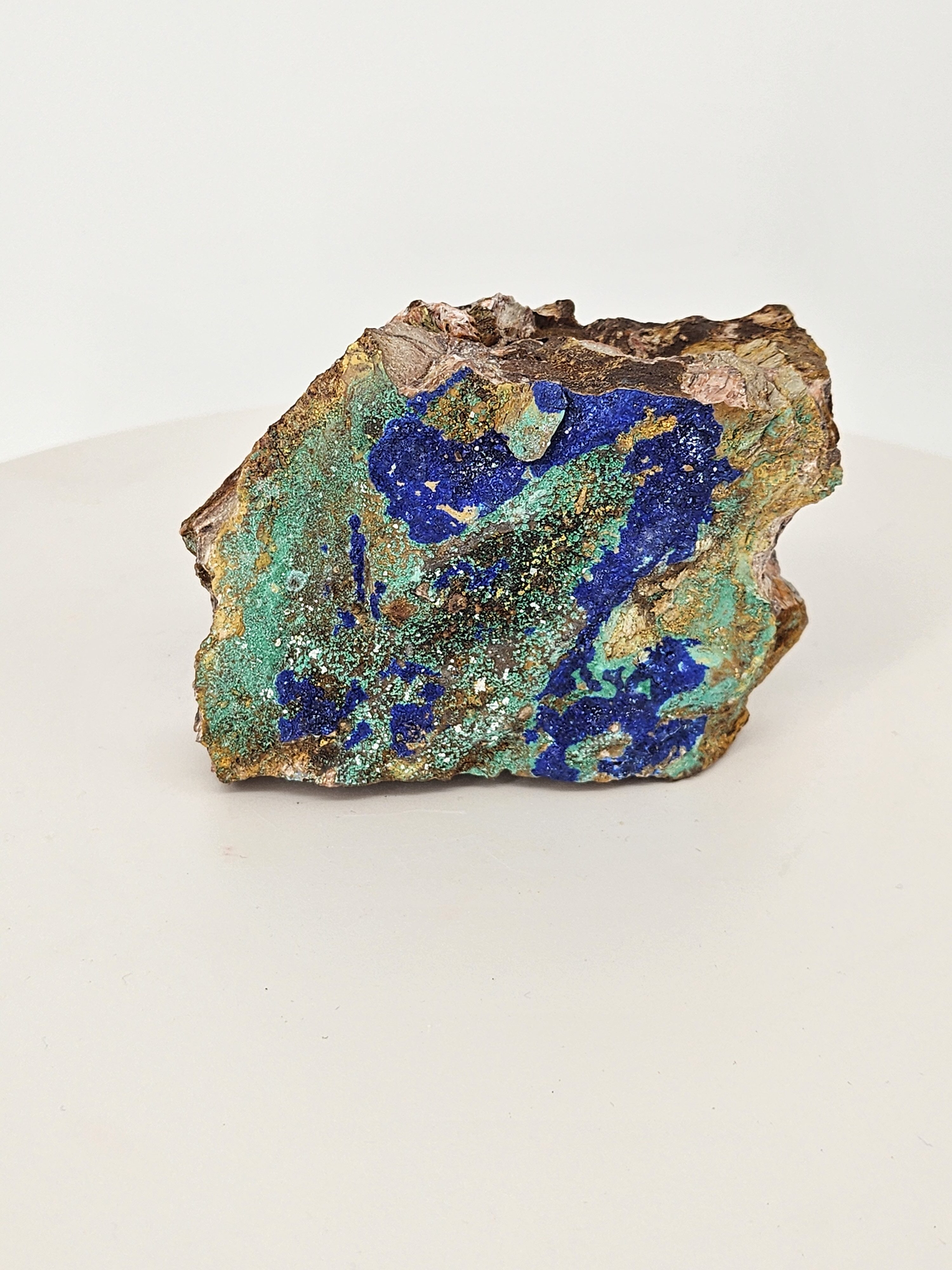
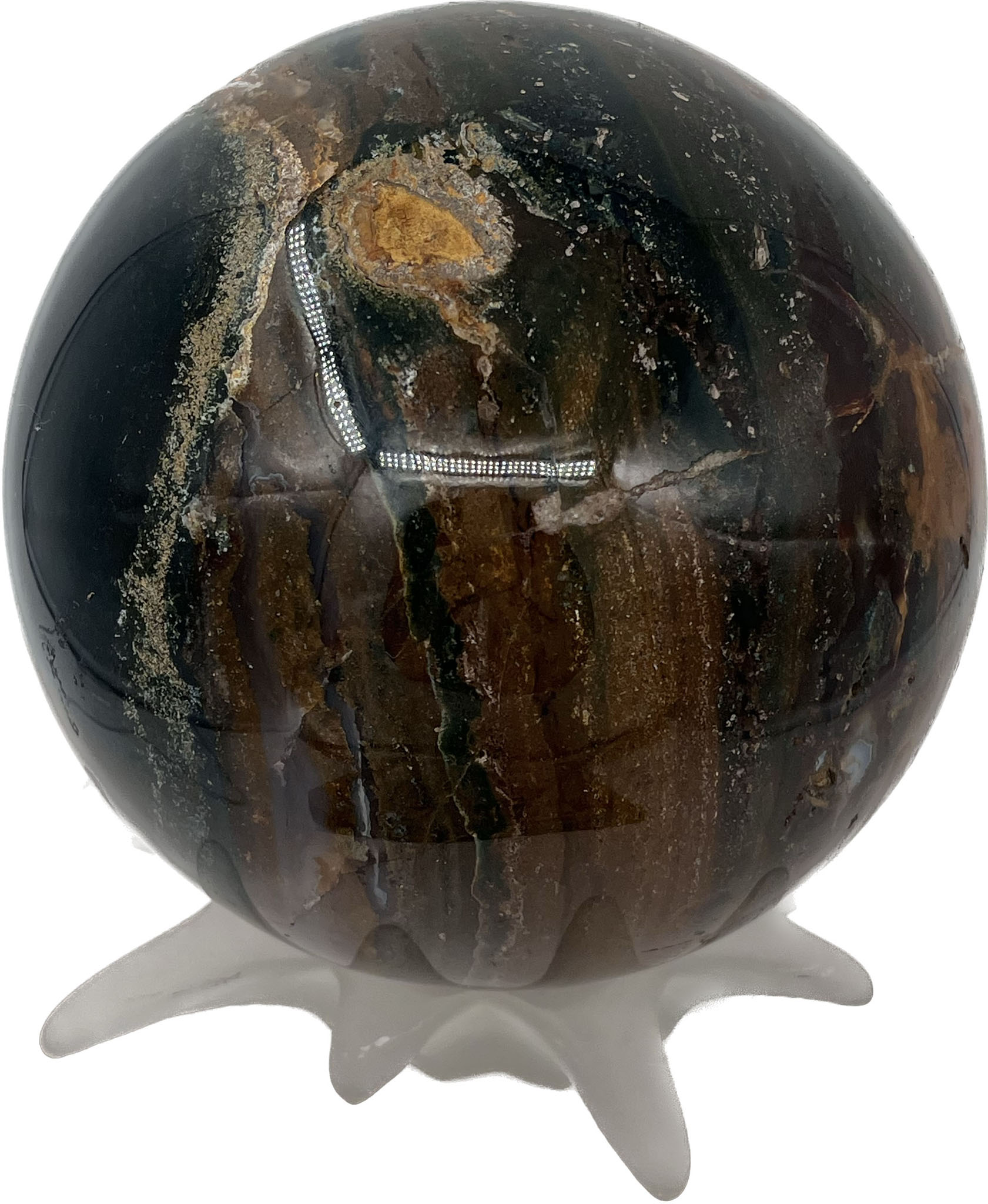
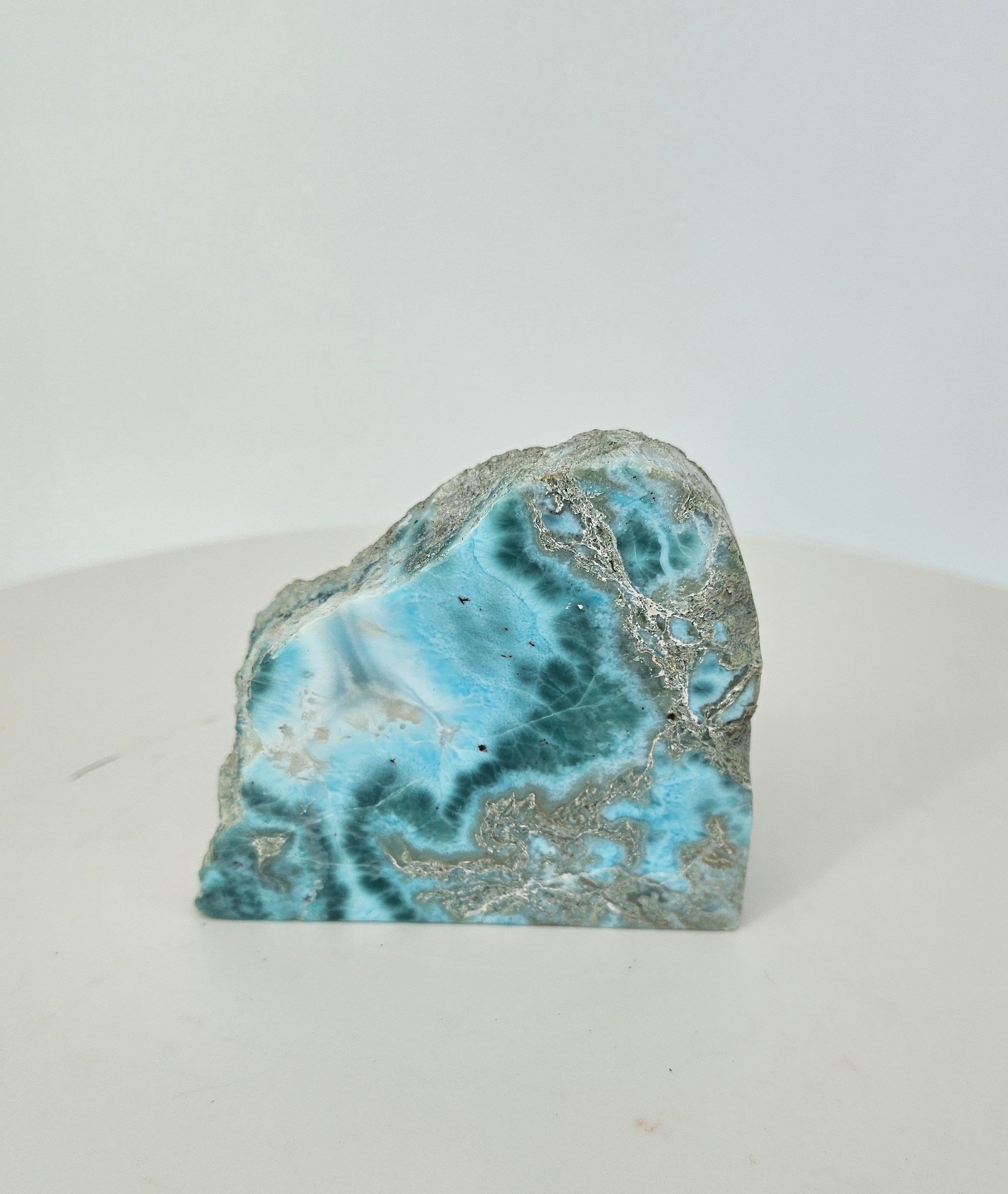
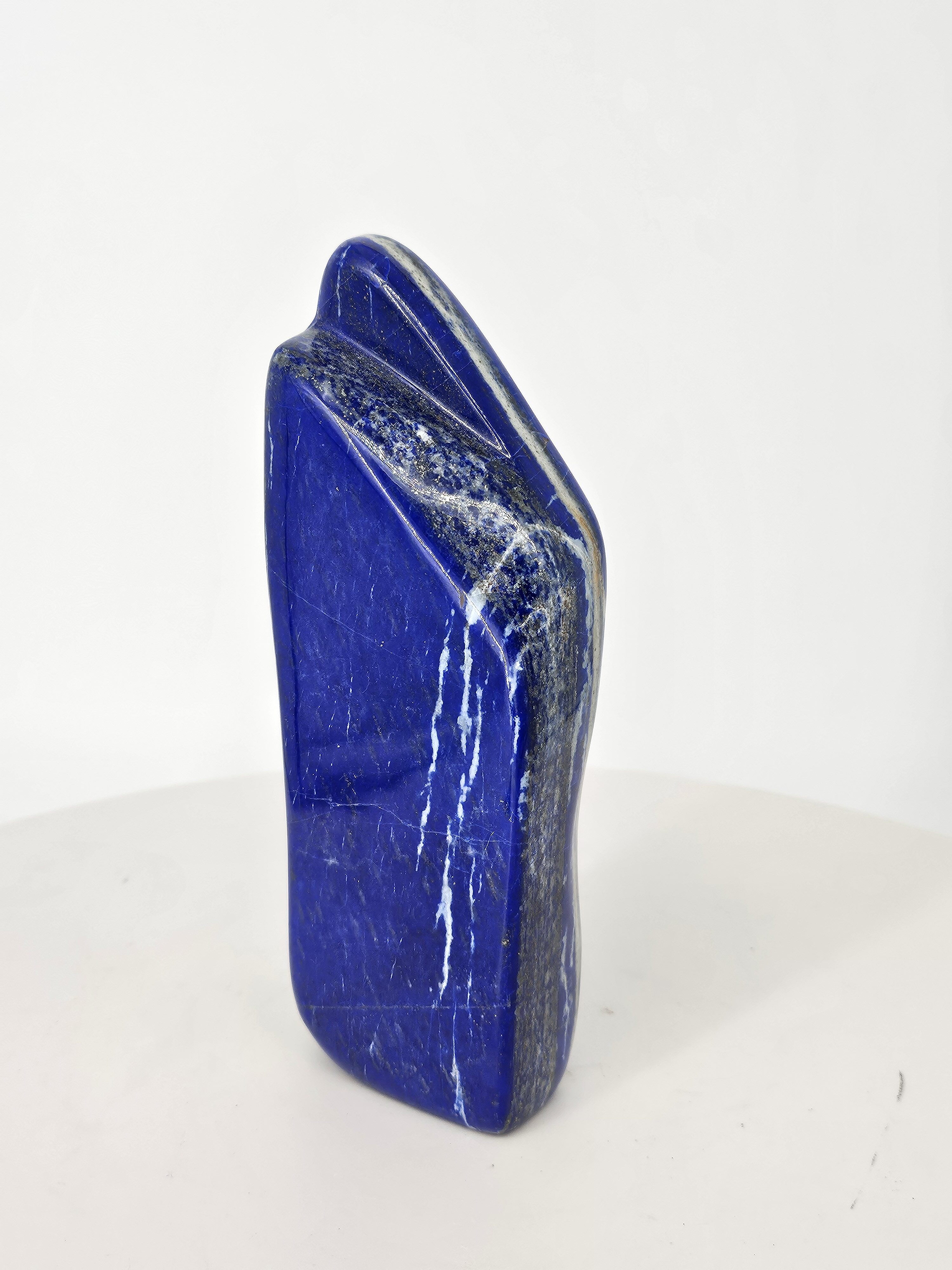
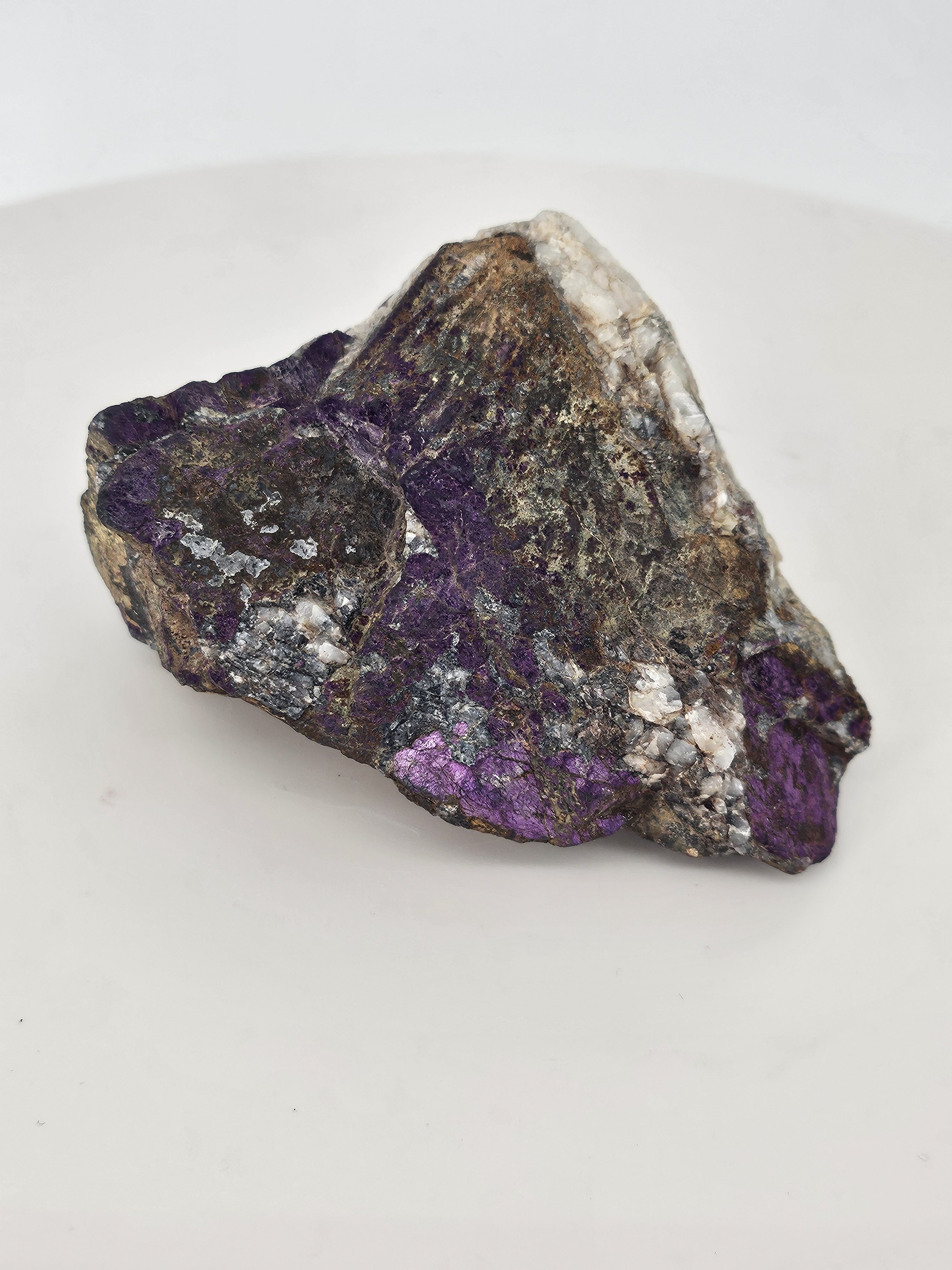
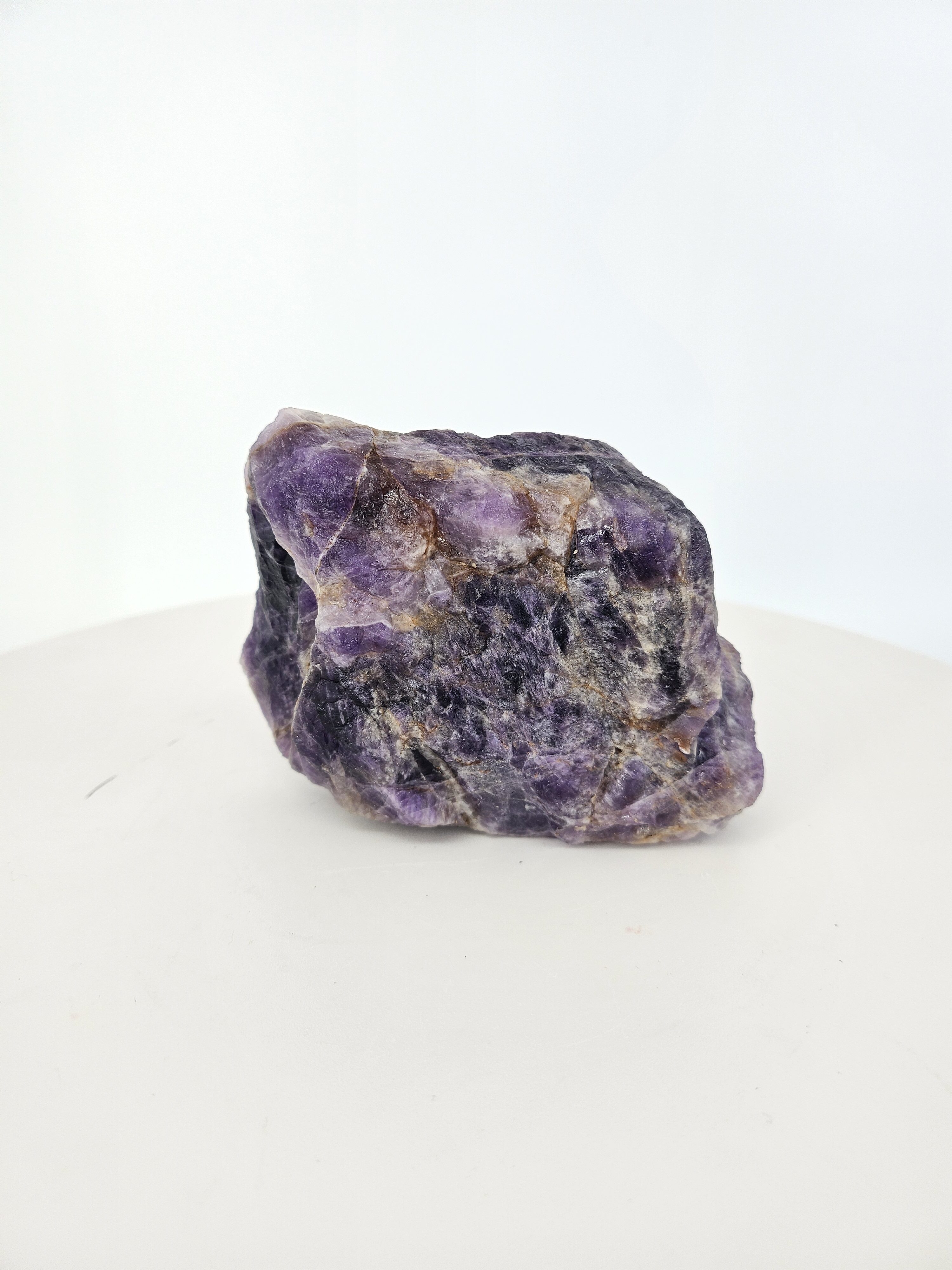
What are specimens?
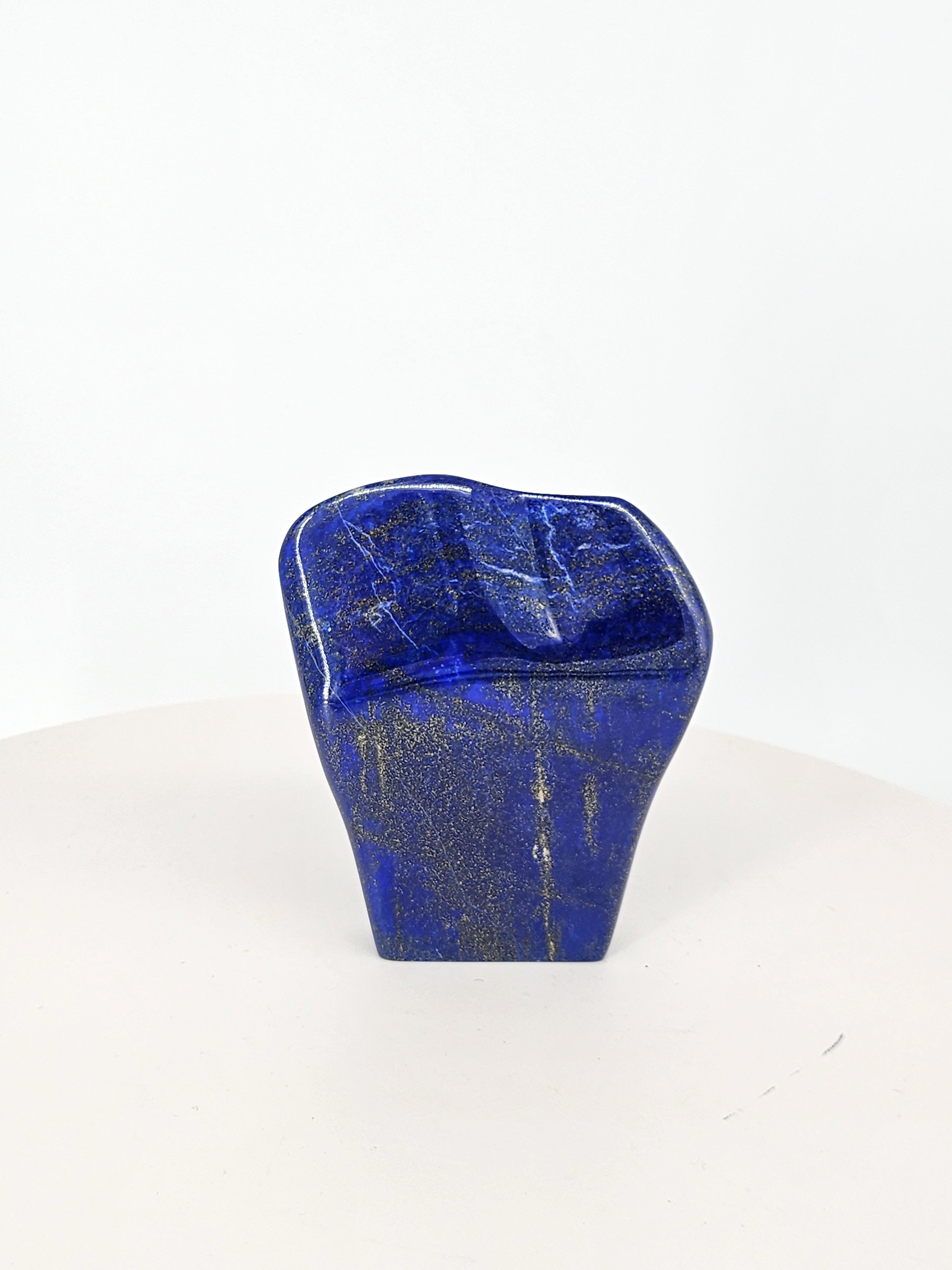
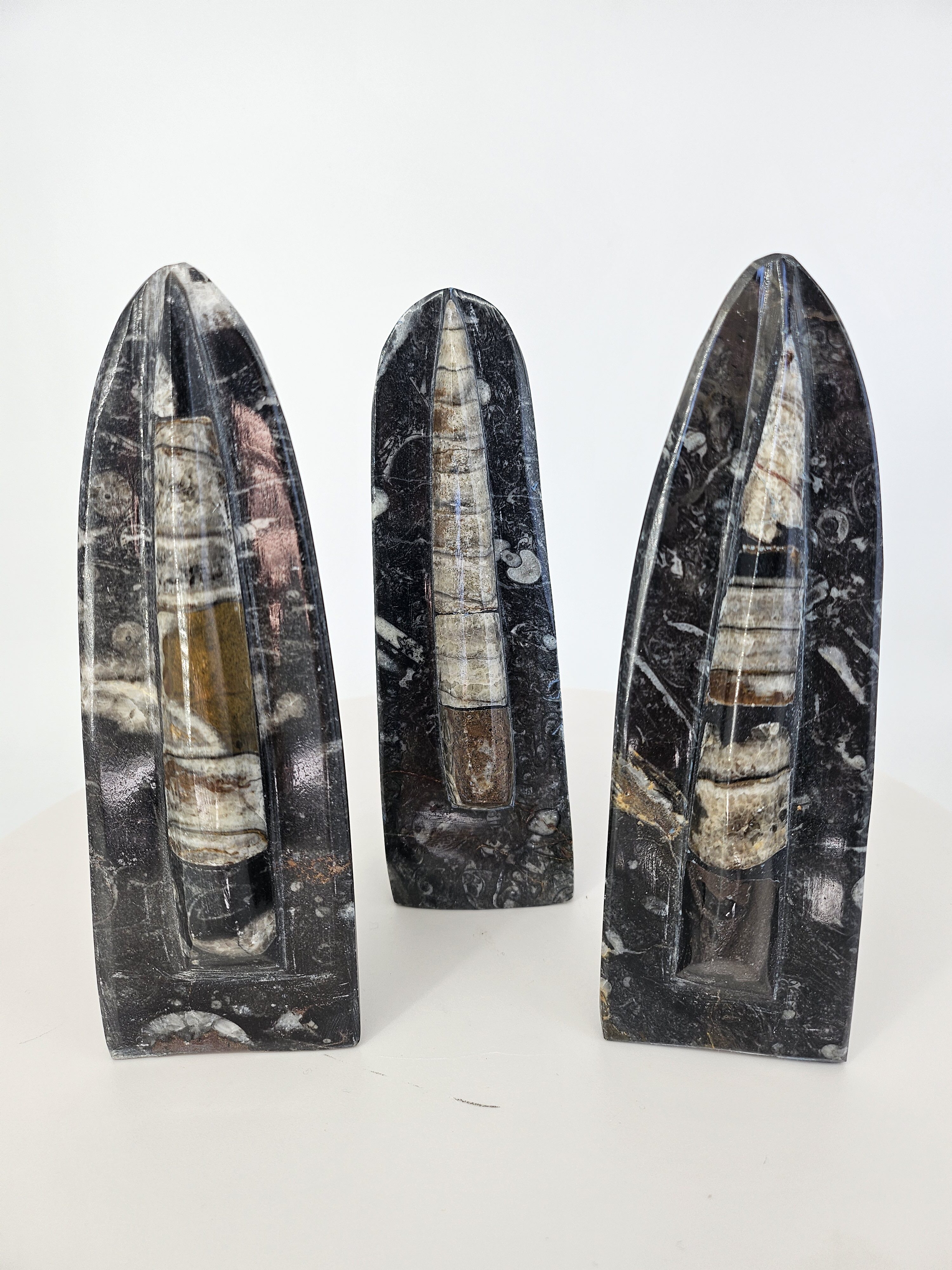
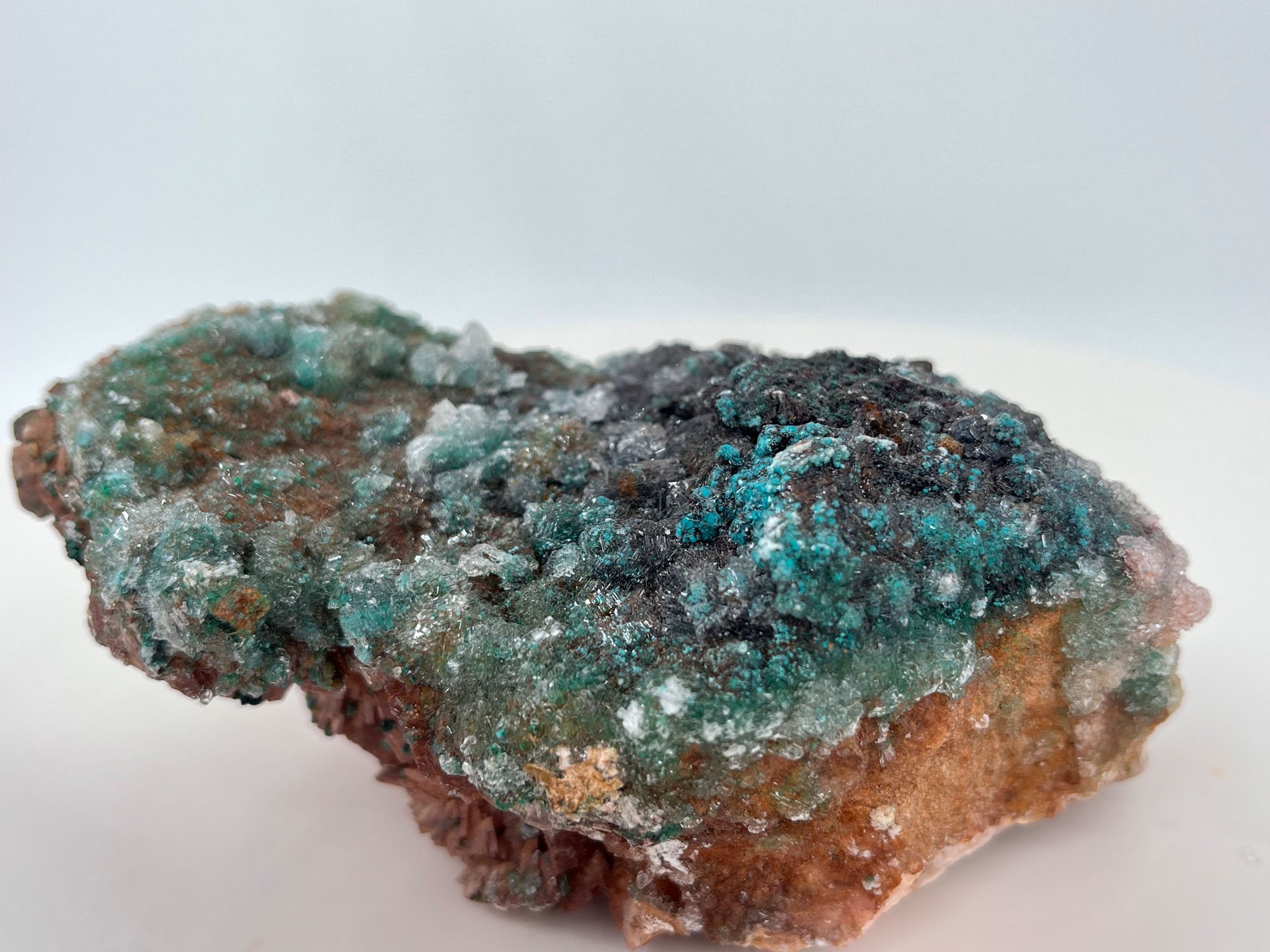
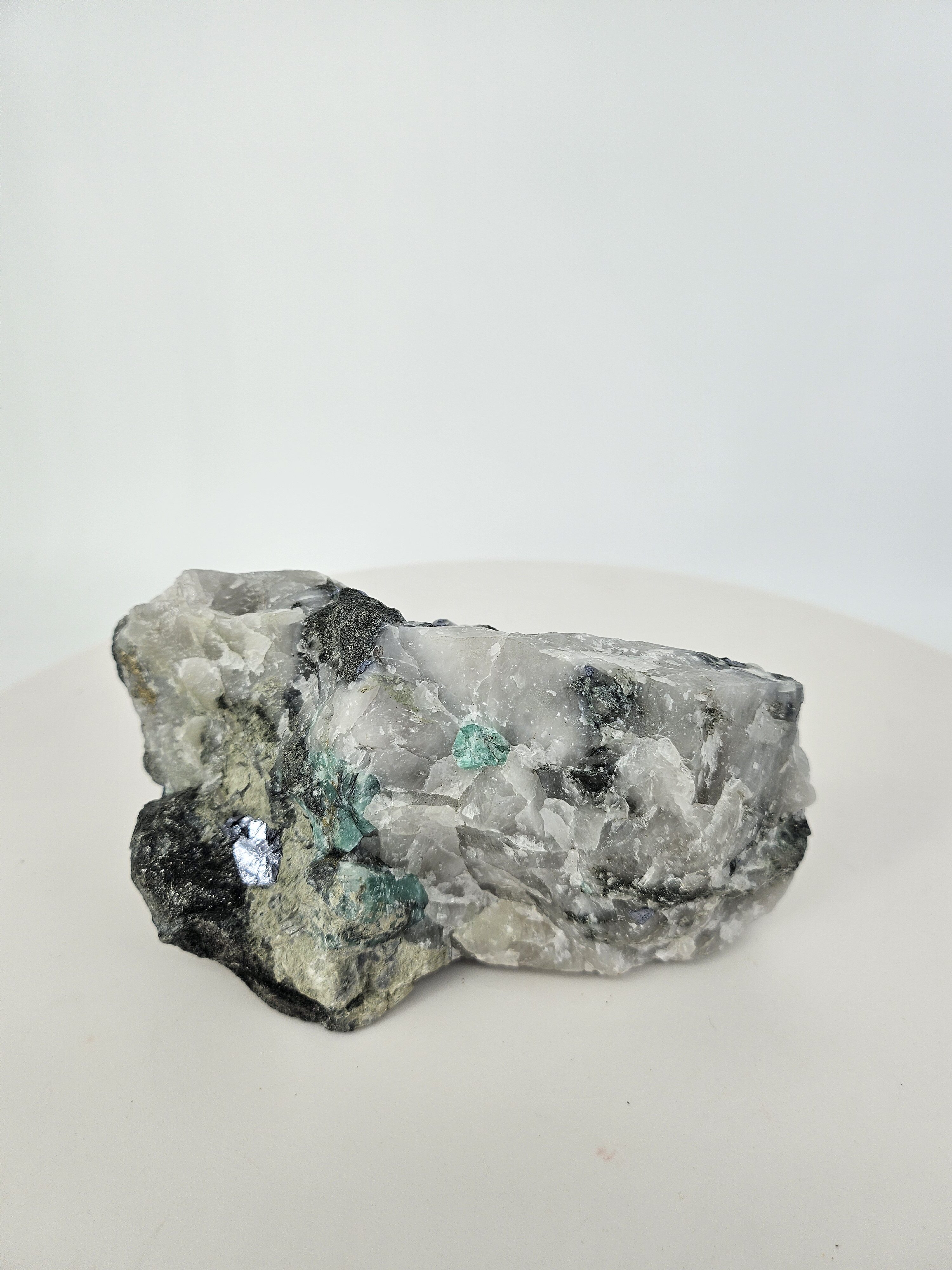
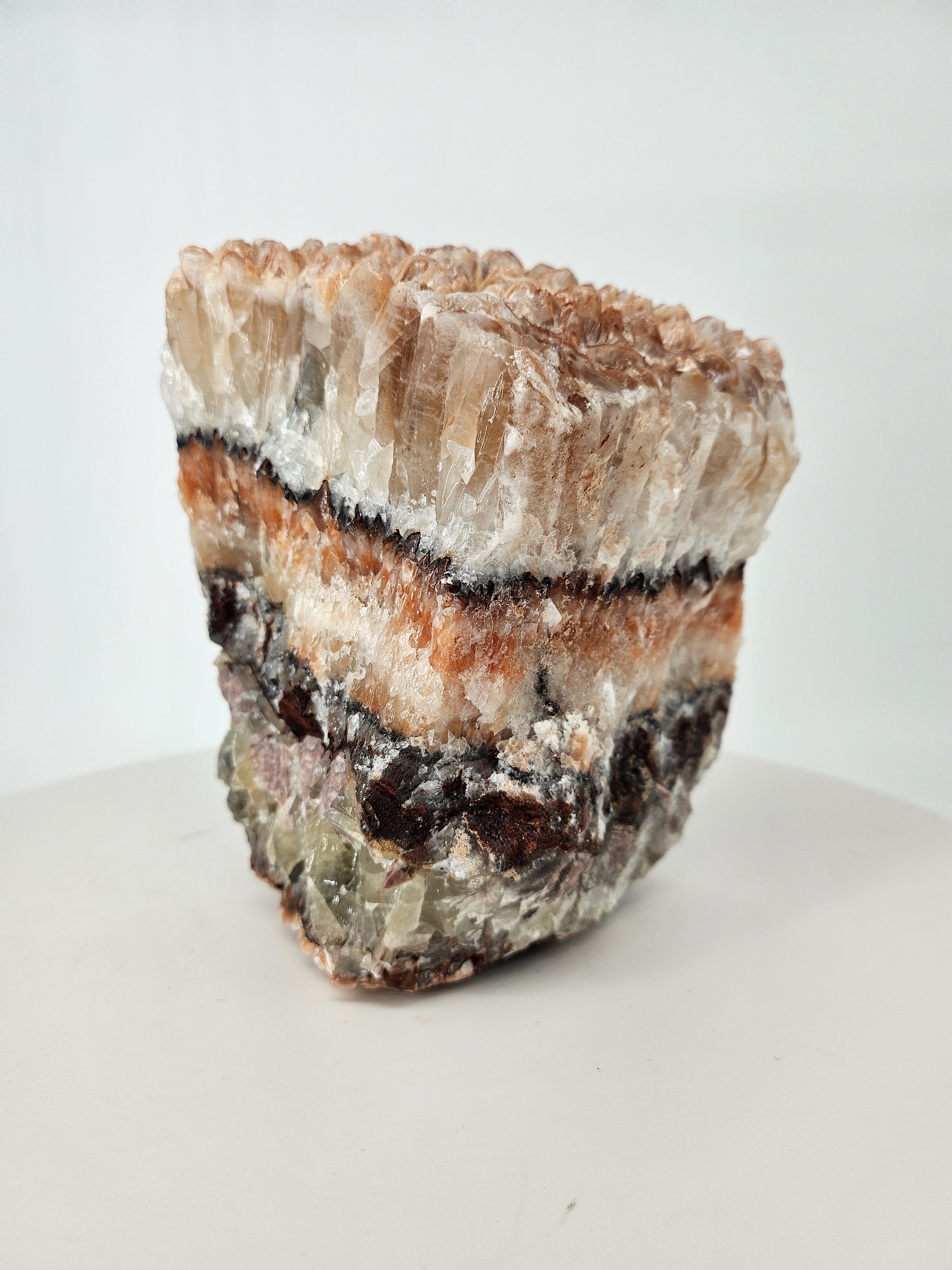
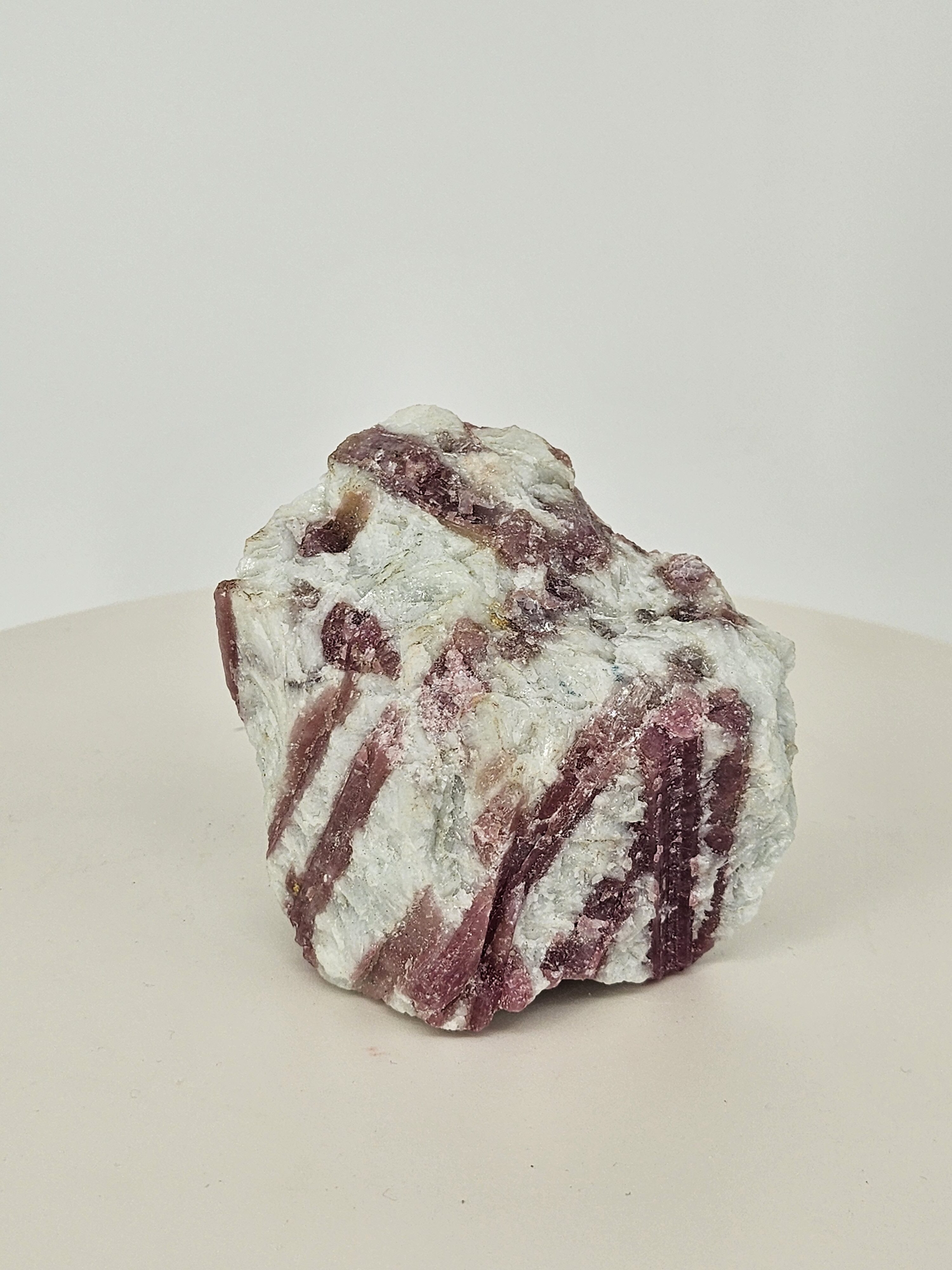
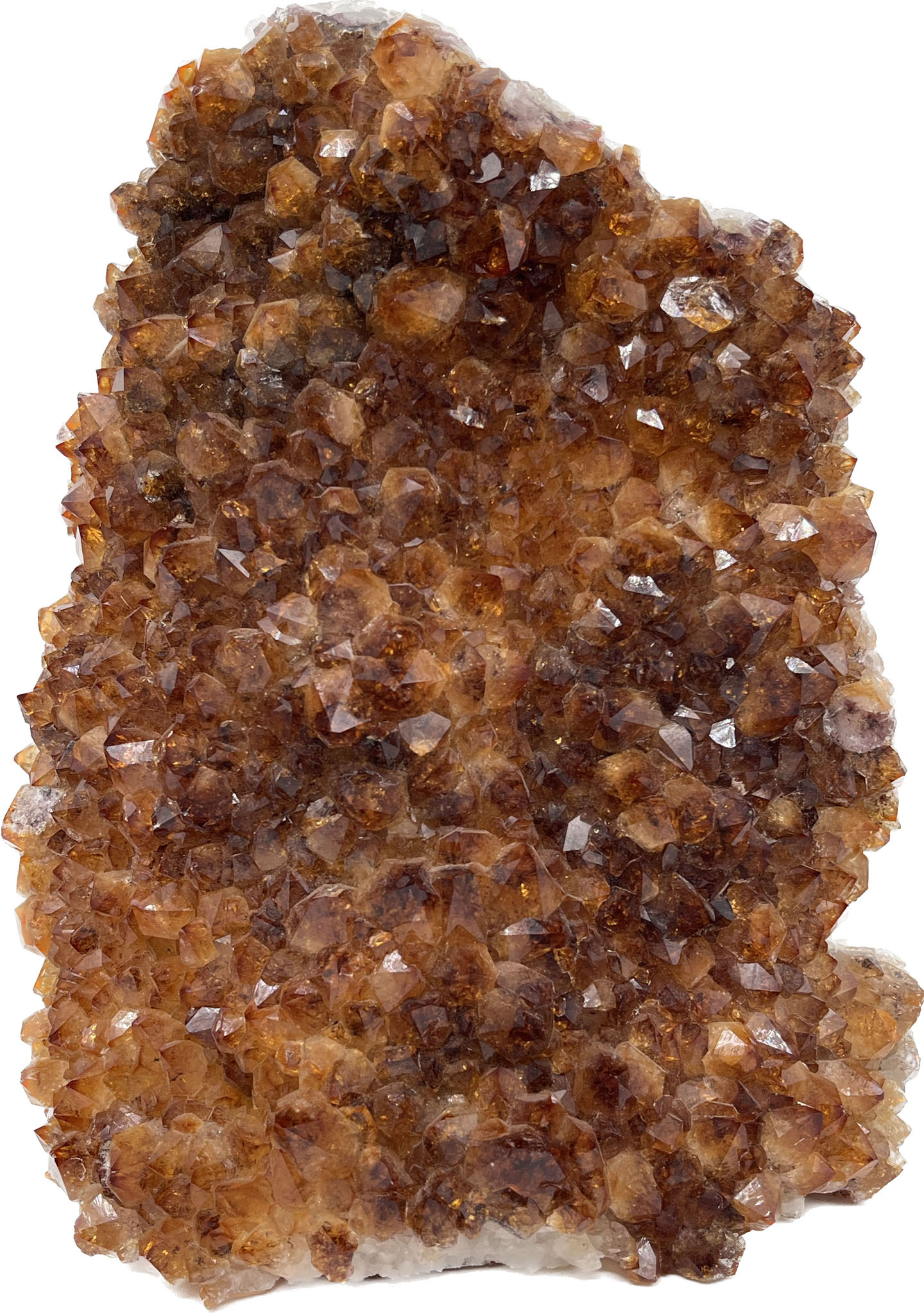
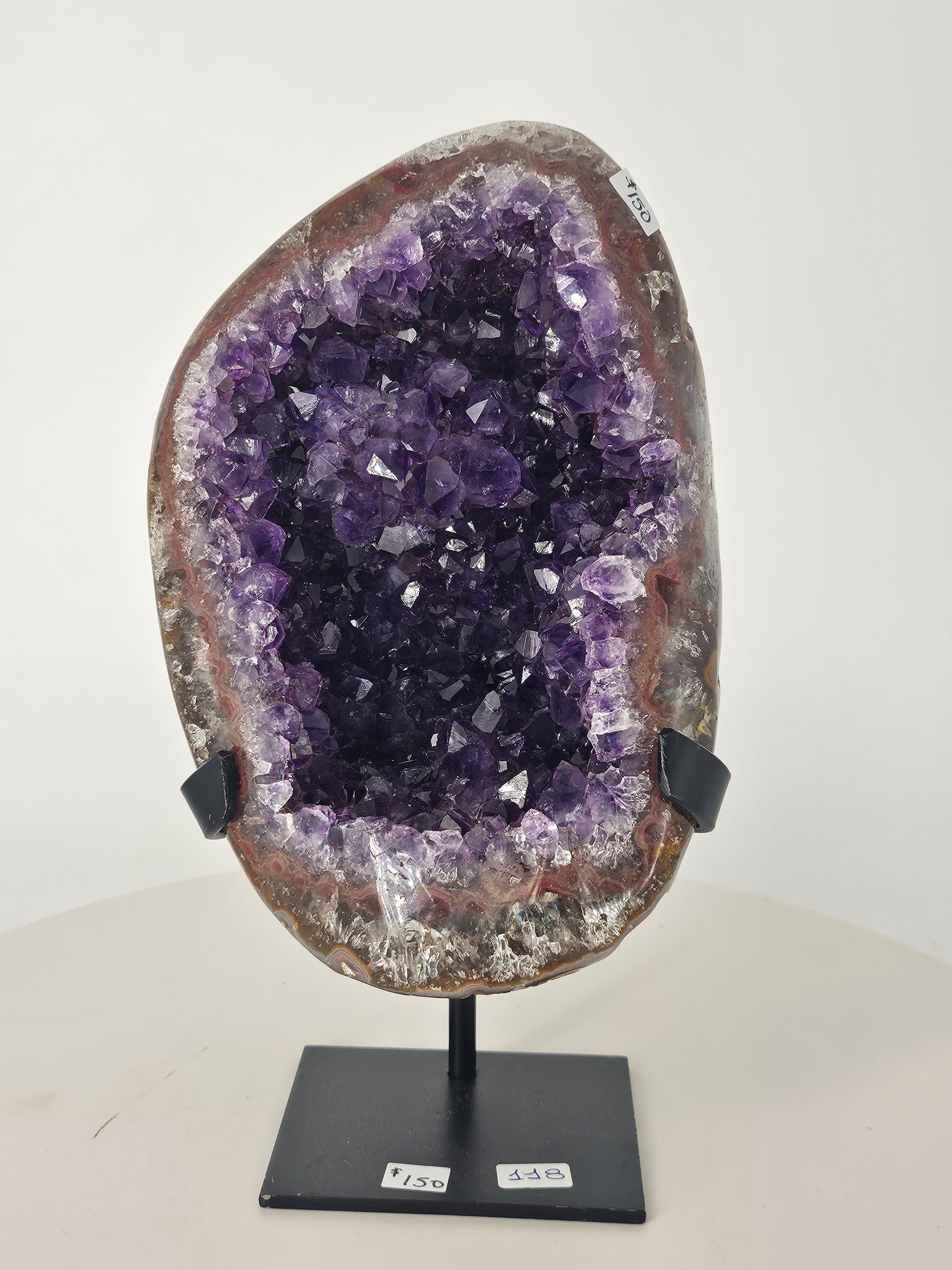
Specimens are objects or materials that are collected, studied, and preserved for scientific, educational, or cultural purposes.
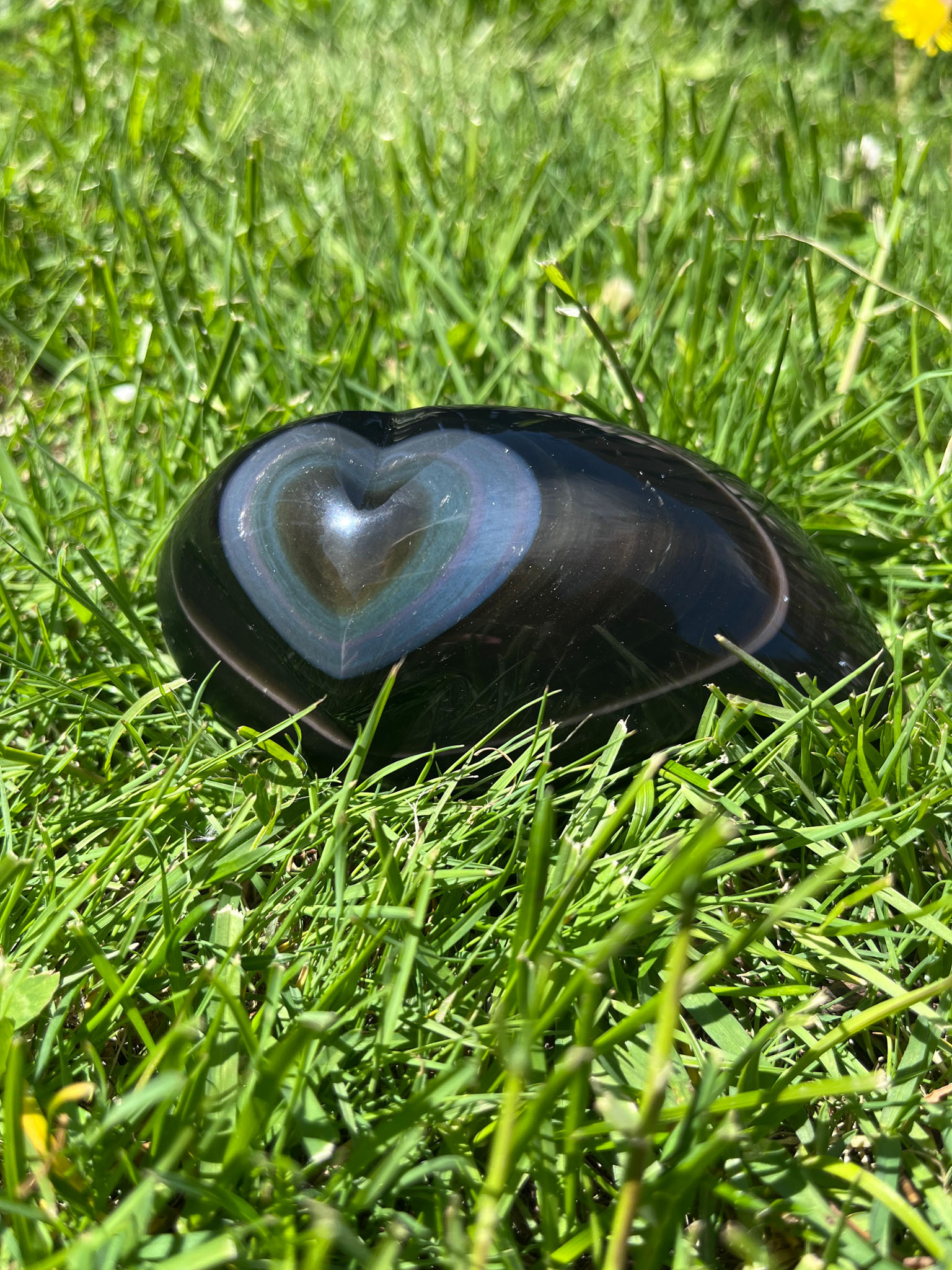
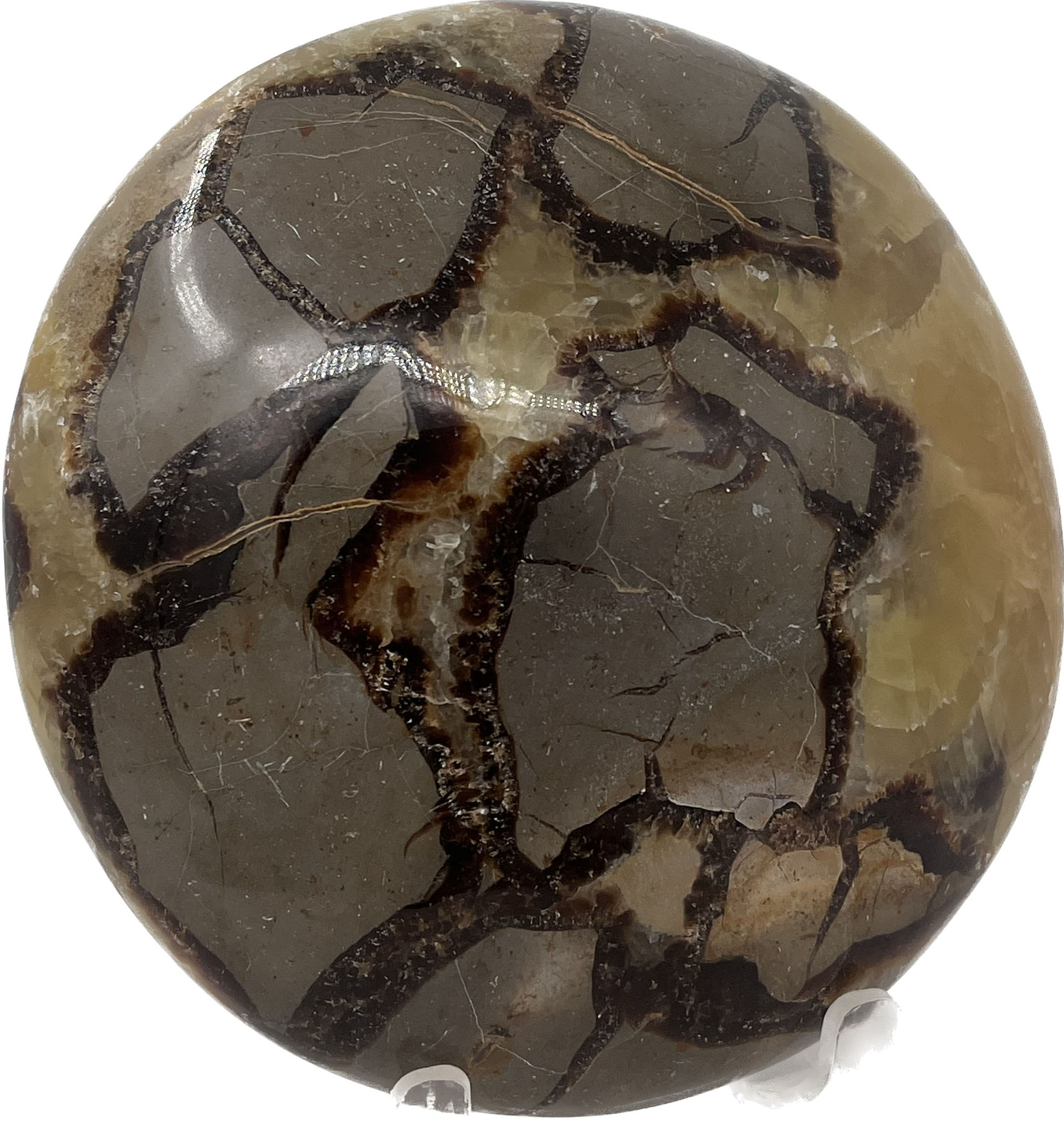
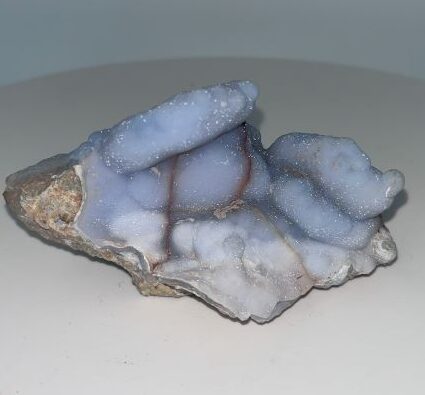
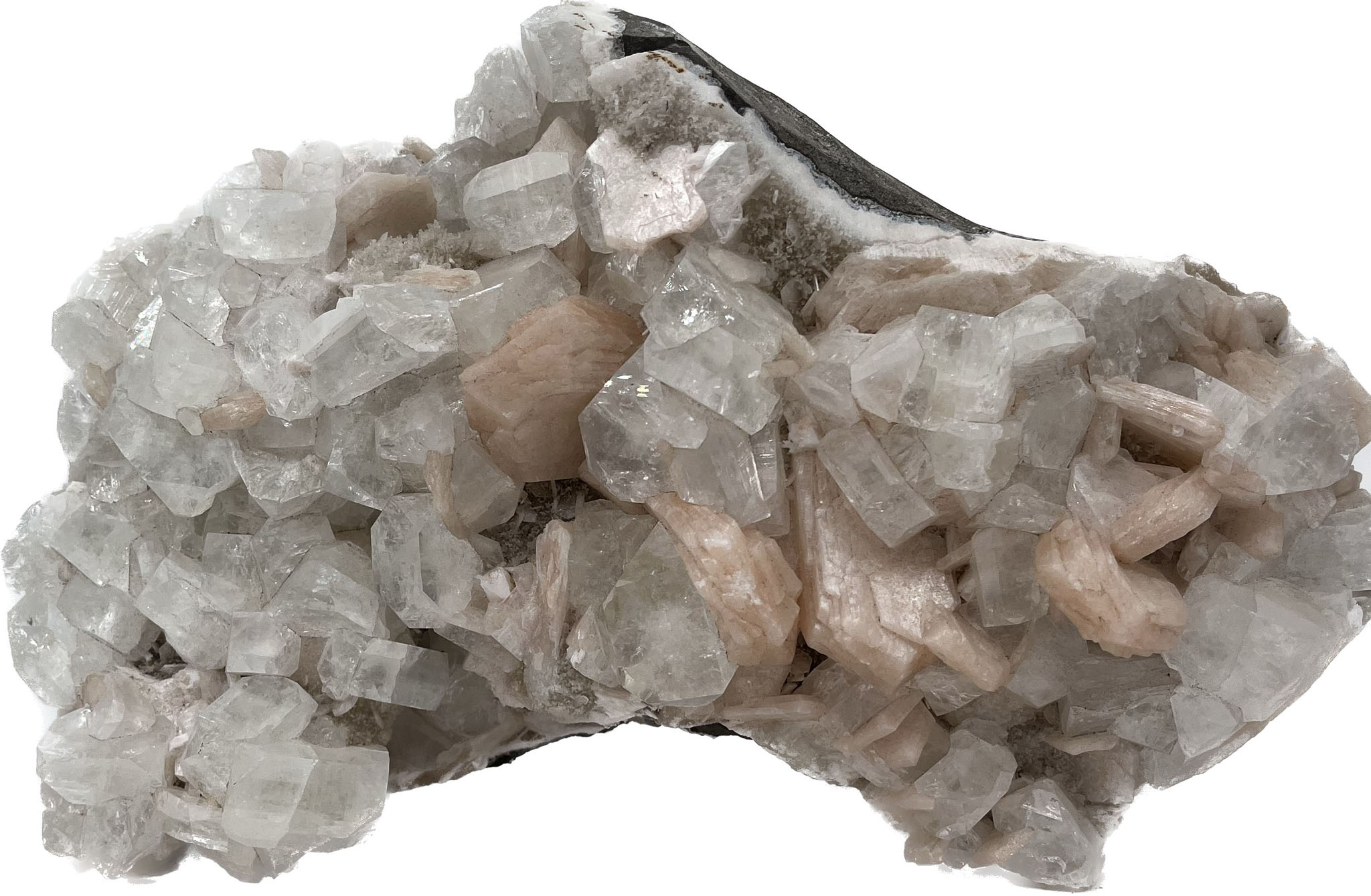
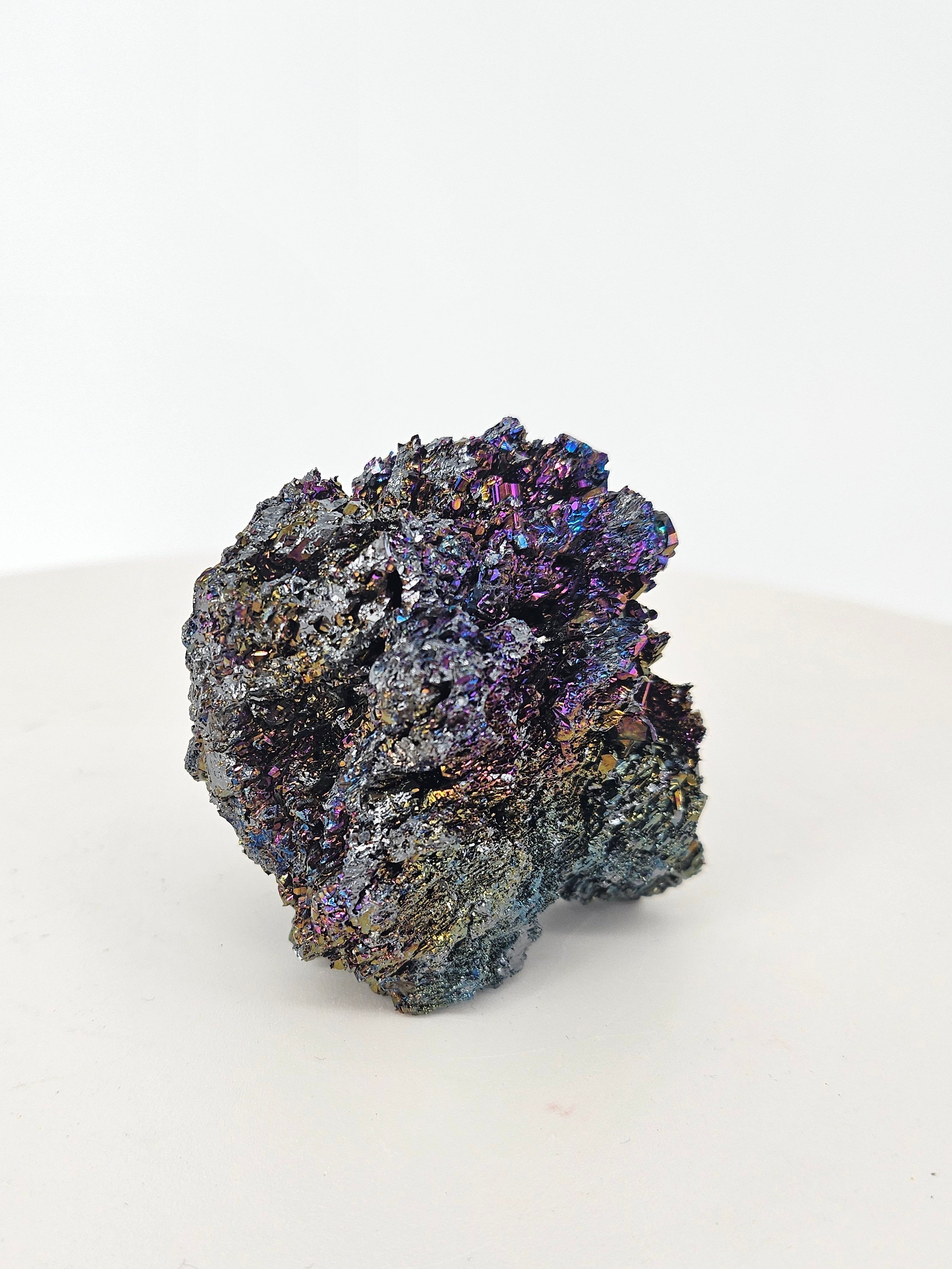
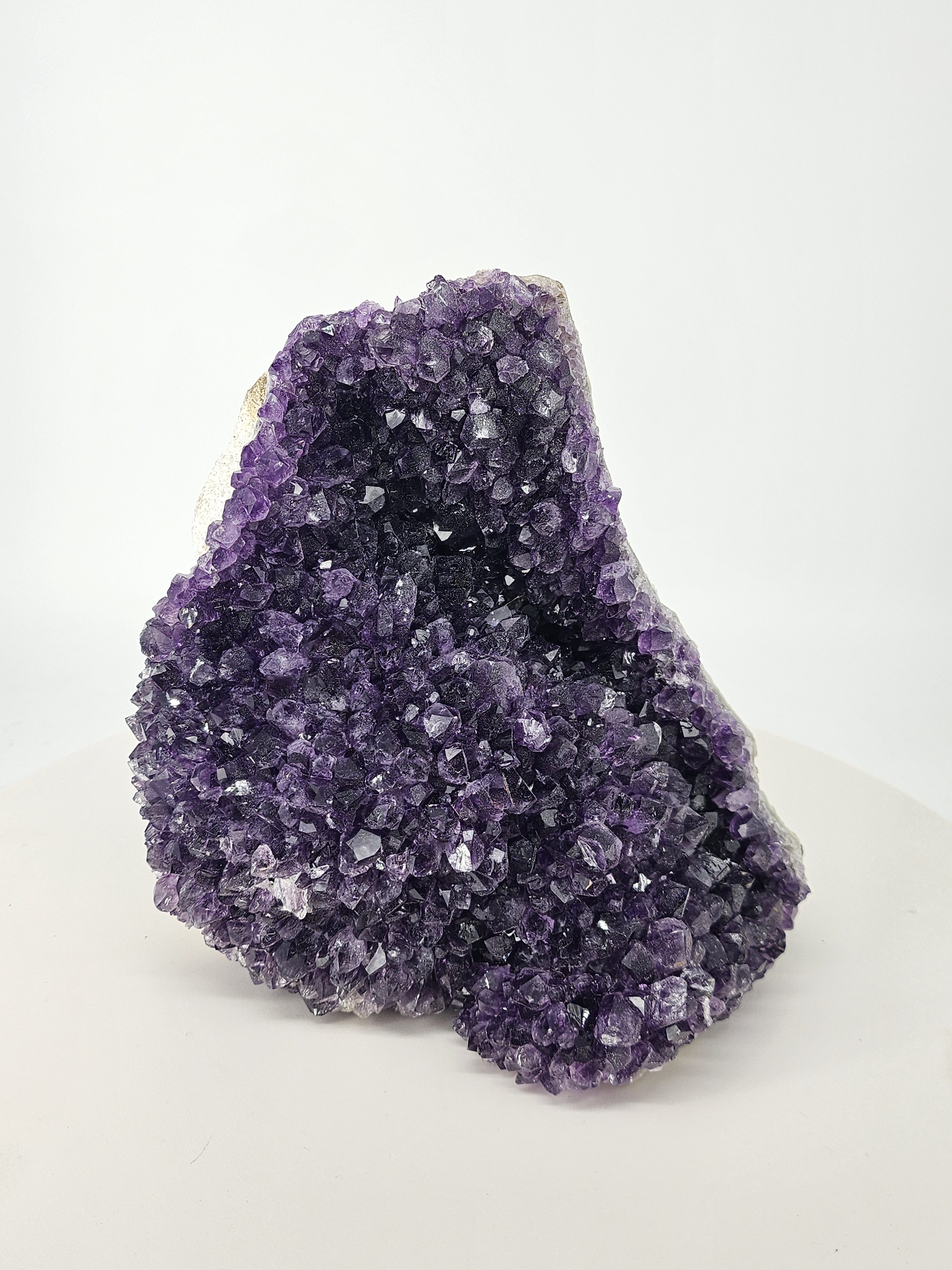
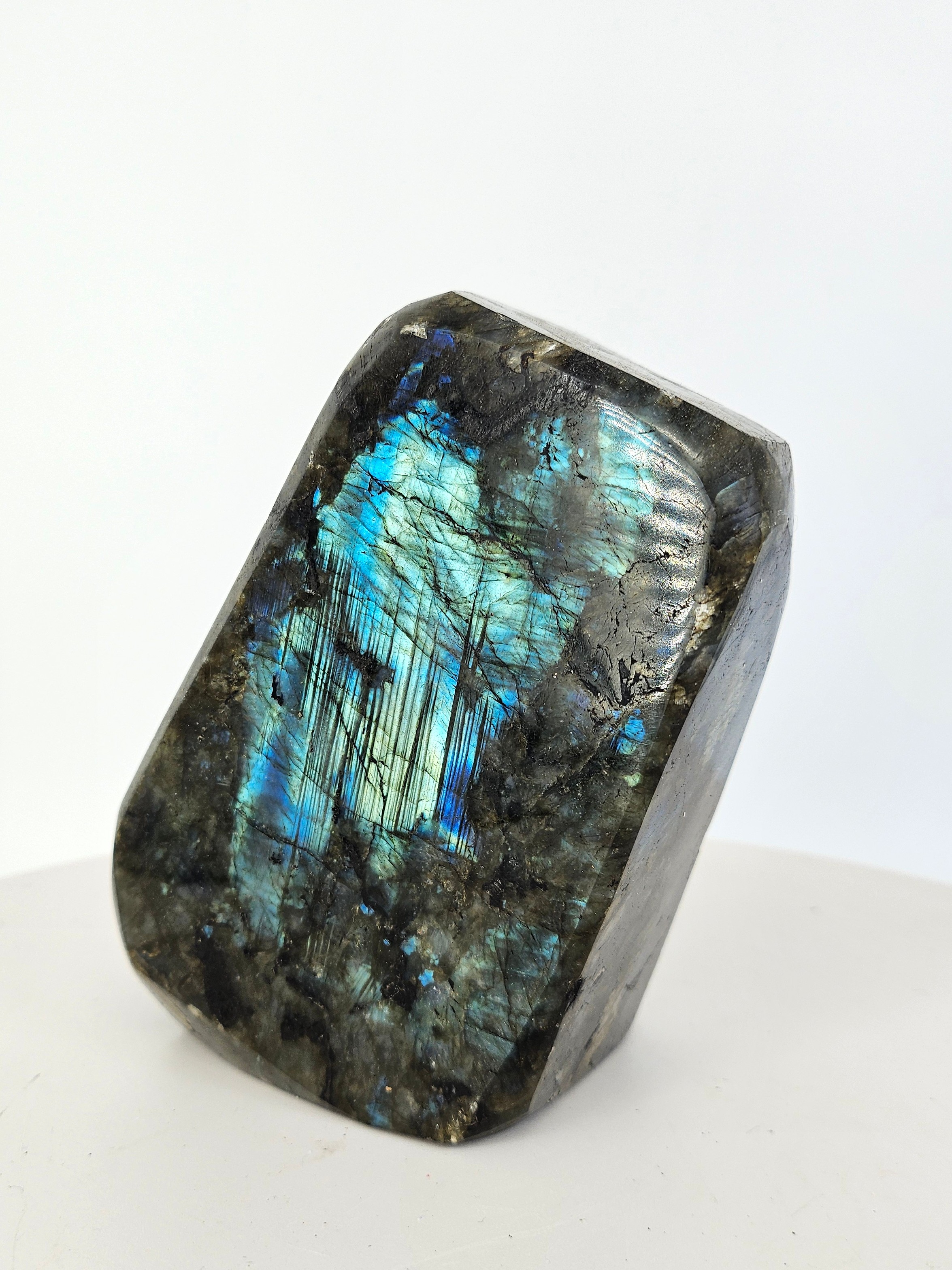
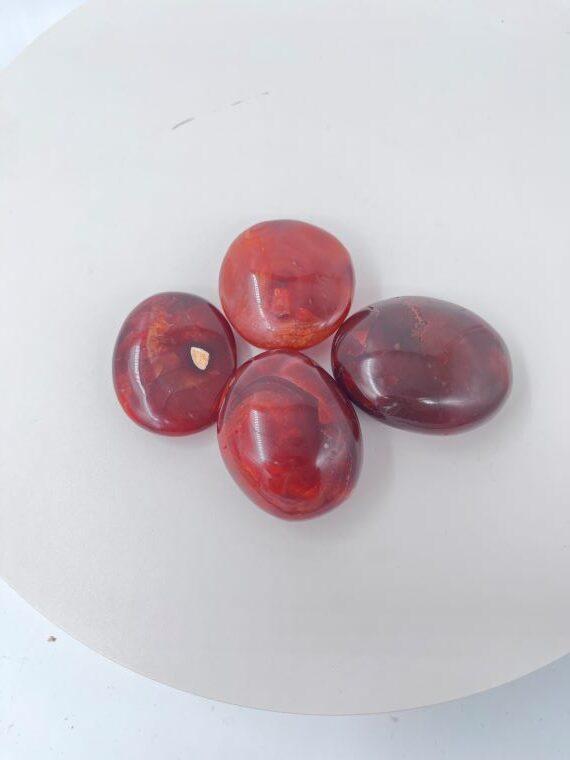
While artifacts, crystals, rocks, and minerals can all be considered specimens, they have distinct characteristics and origins.
What are the differences between specimen types?
Artifacts: Artifacts are objects that have been created, modified, or used by humans in the past and hold historical, cultural, or archaeological significance. They provide insights into human activities, technologies, and societies. Examples of artifacts include tools, pottery, weapons, coins, jewelry, and artwork. Artifacts are often found in archaeological excavations, historical sites, or cultural collections.
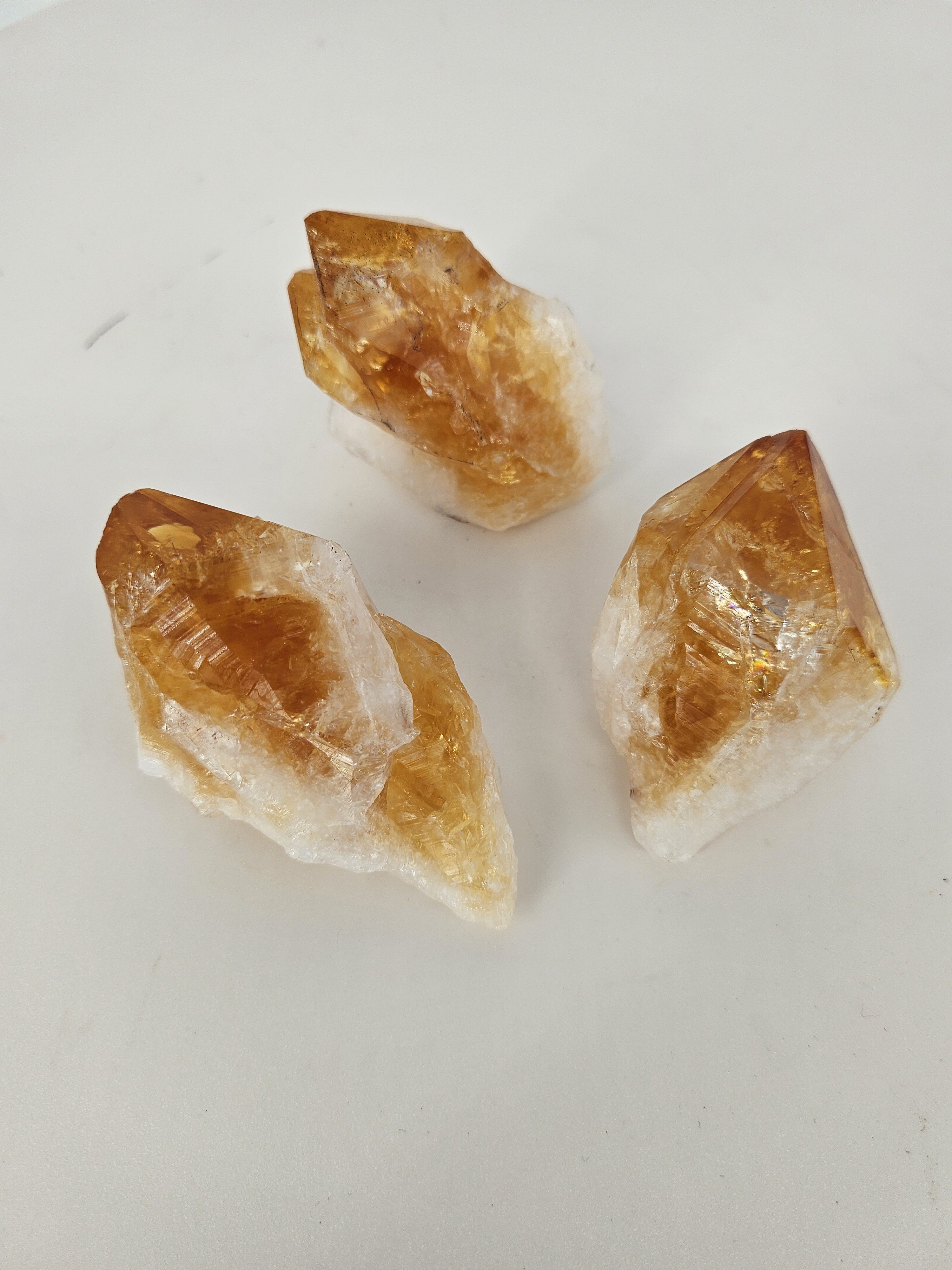
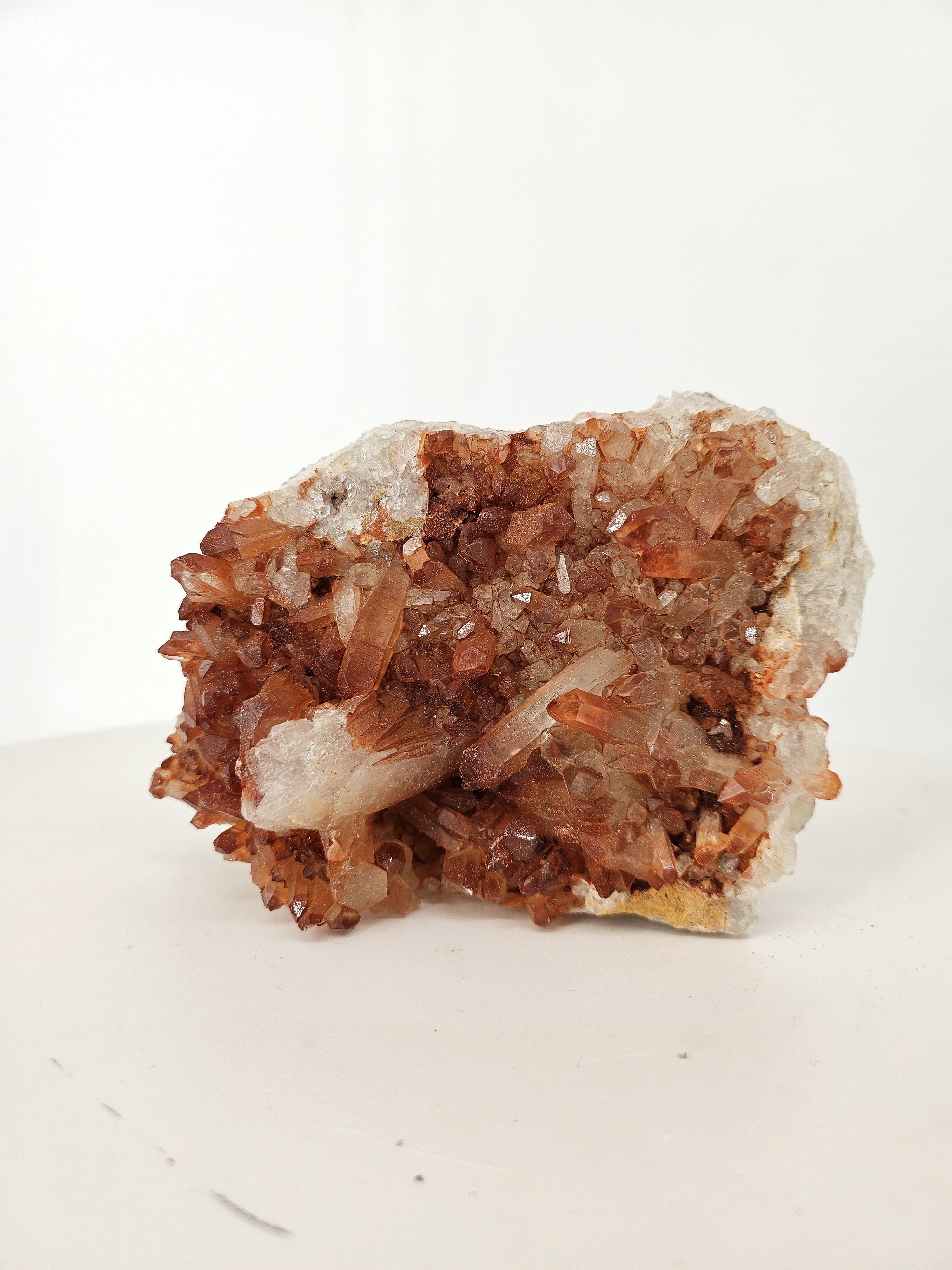
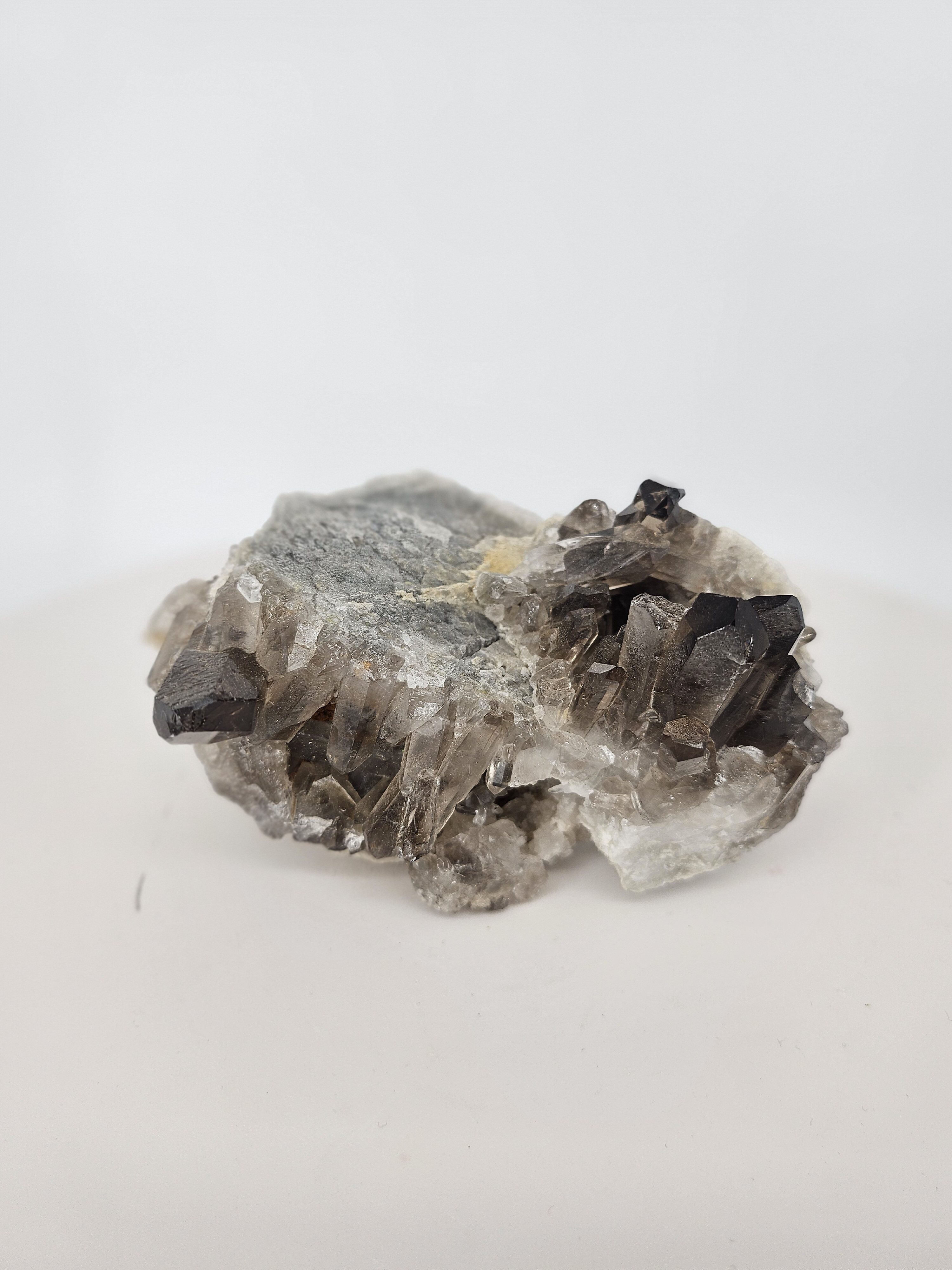
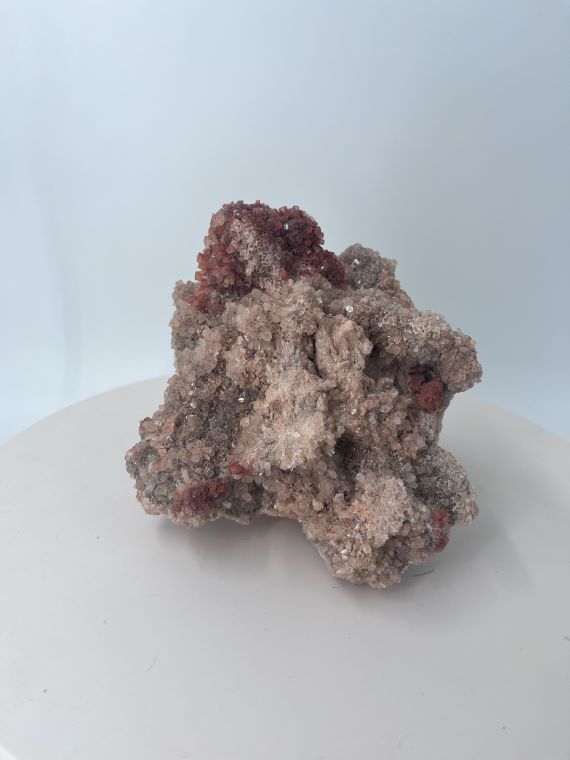
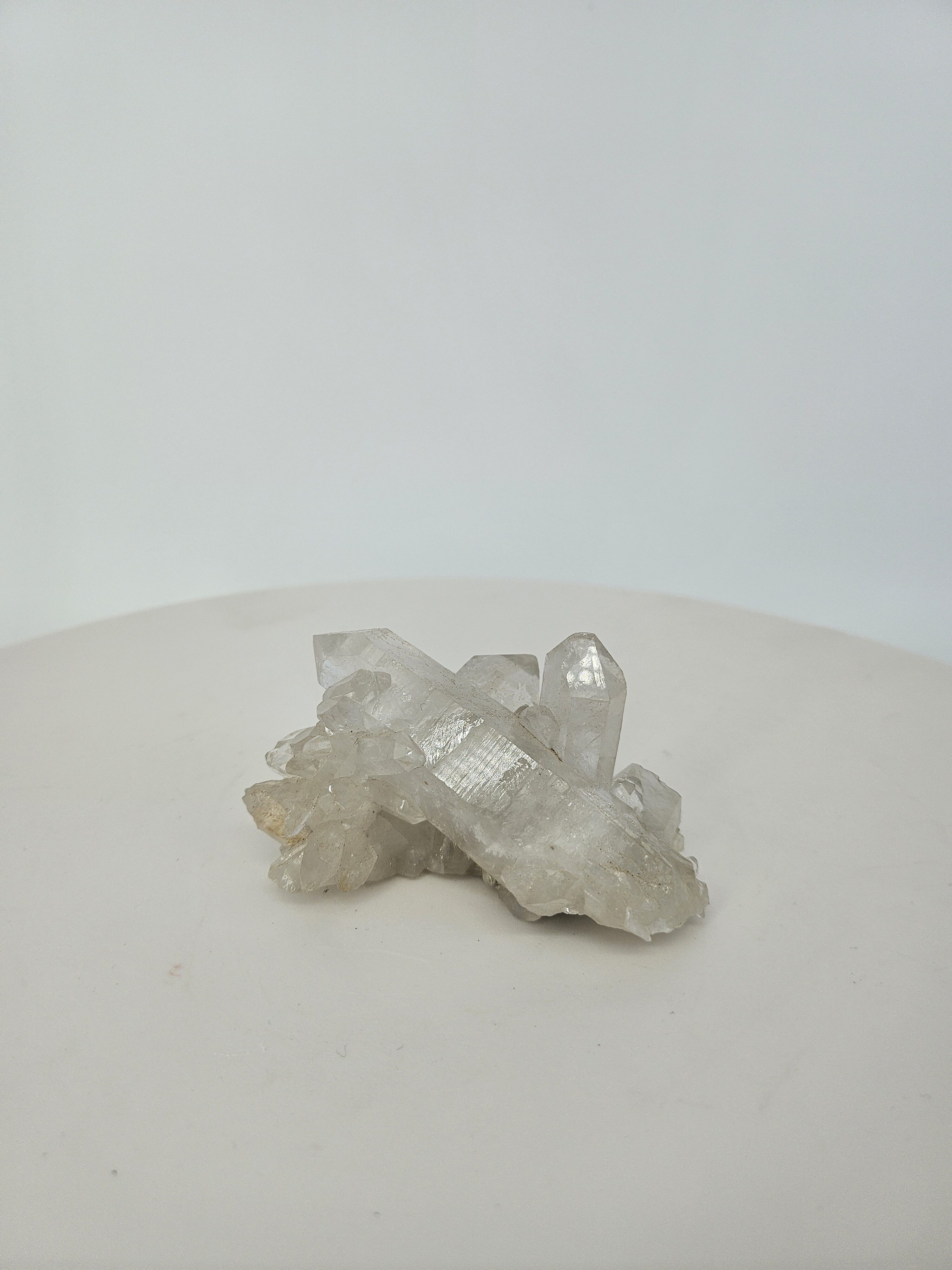
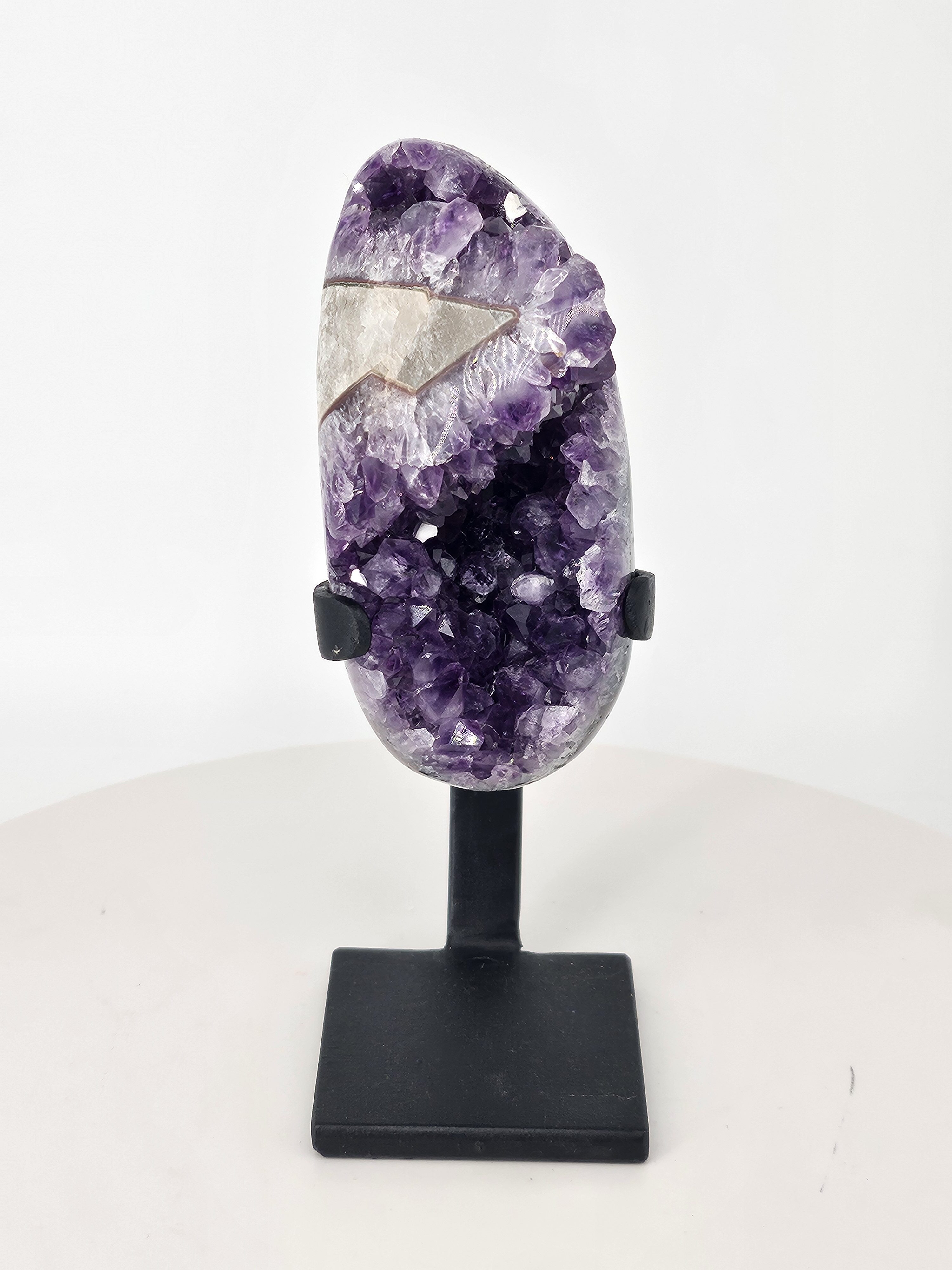
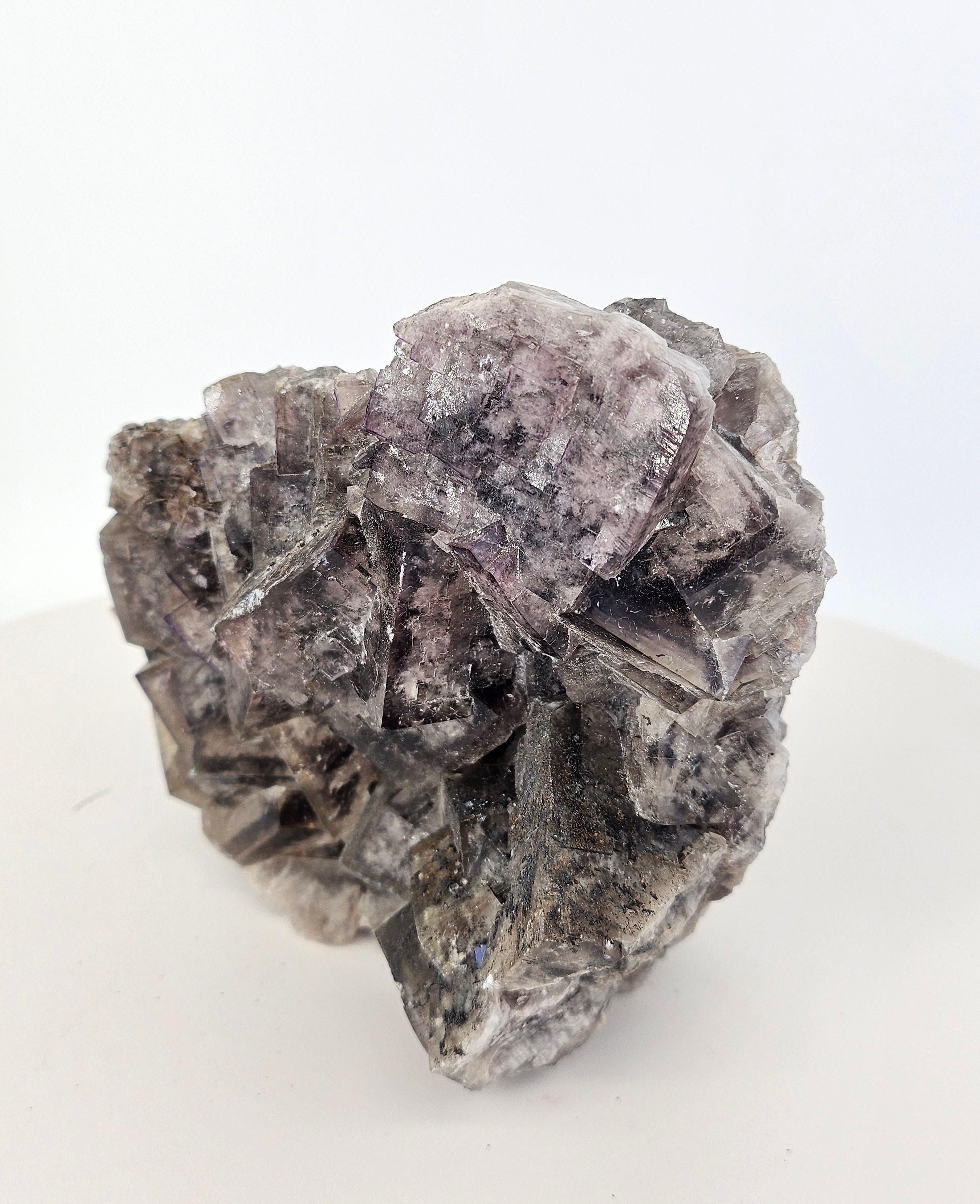
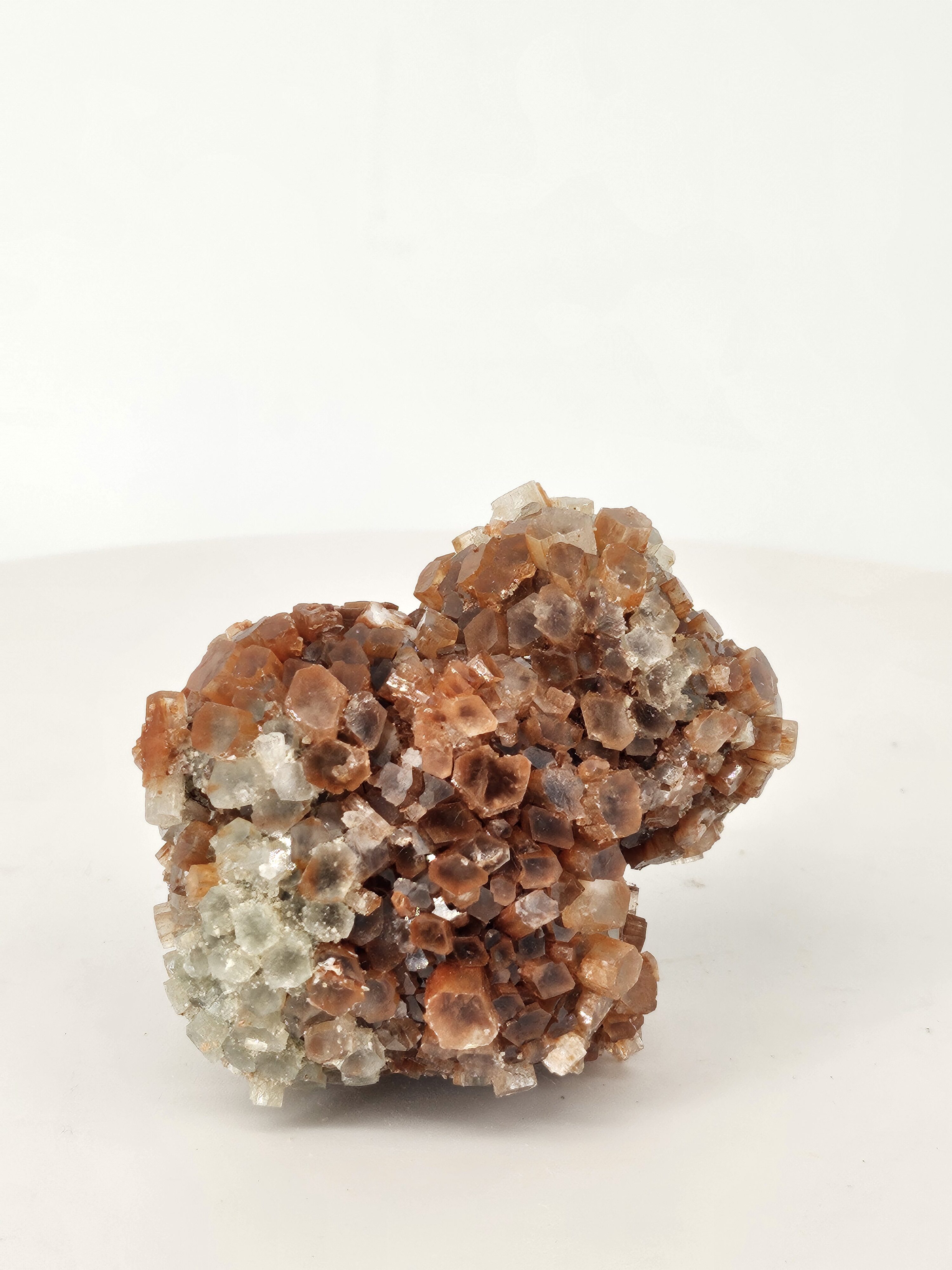
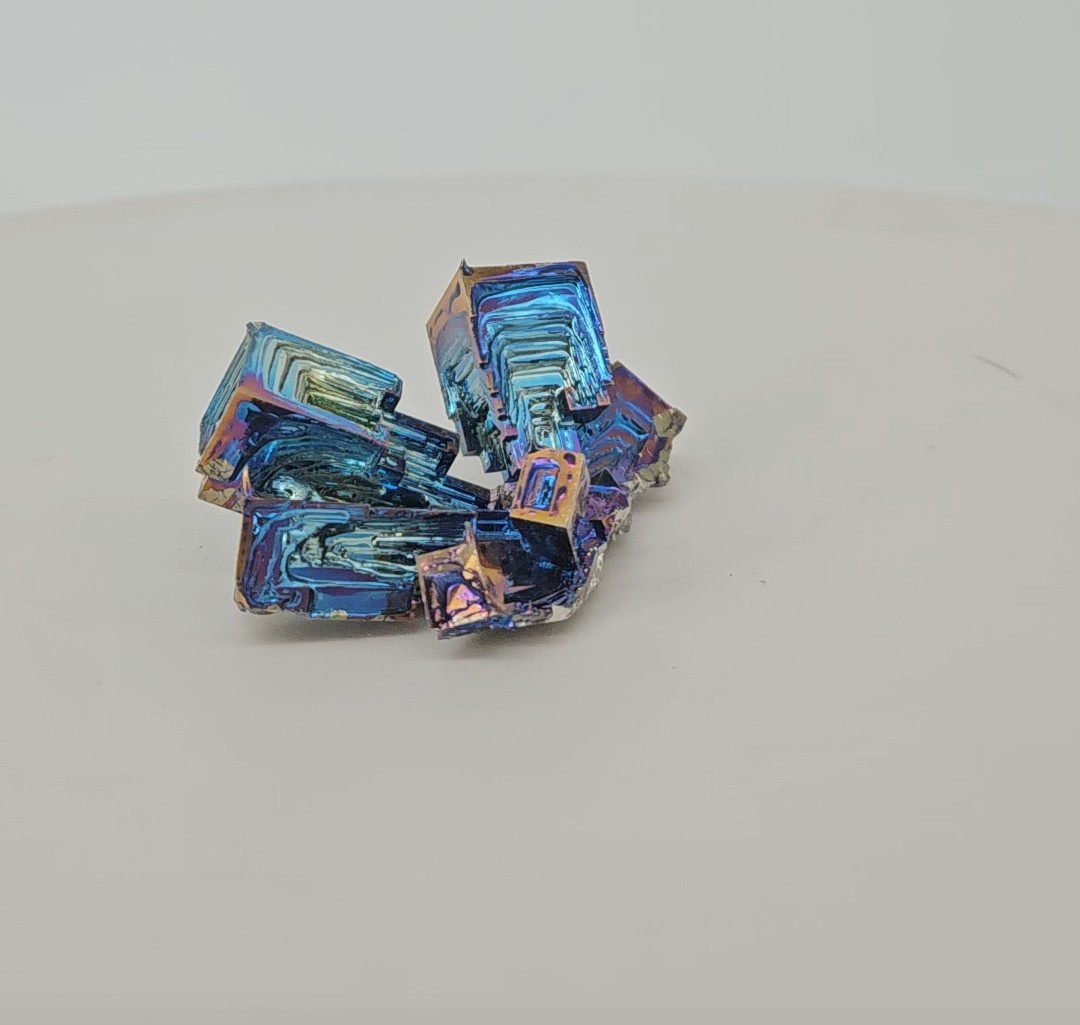
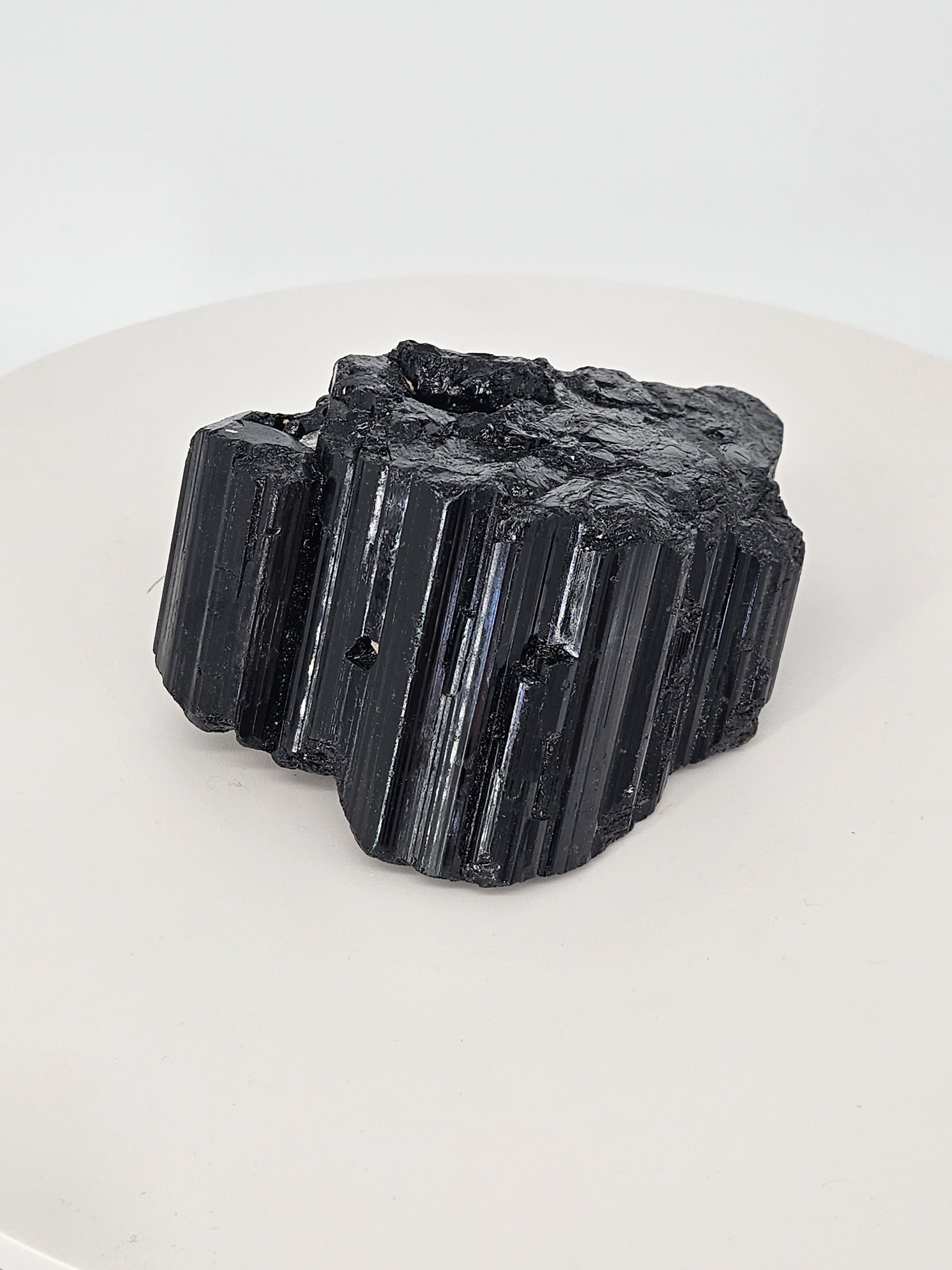
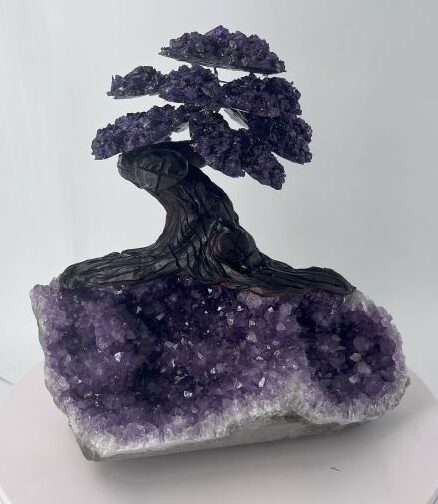
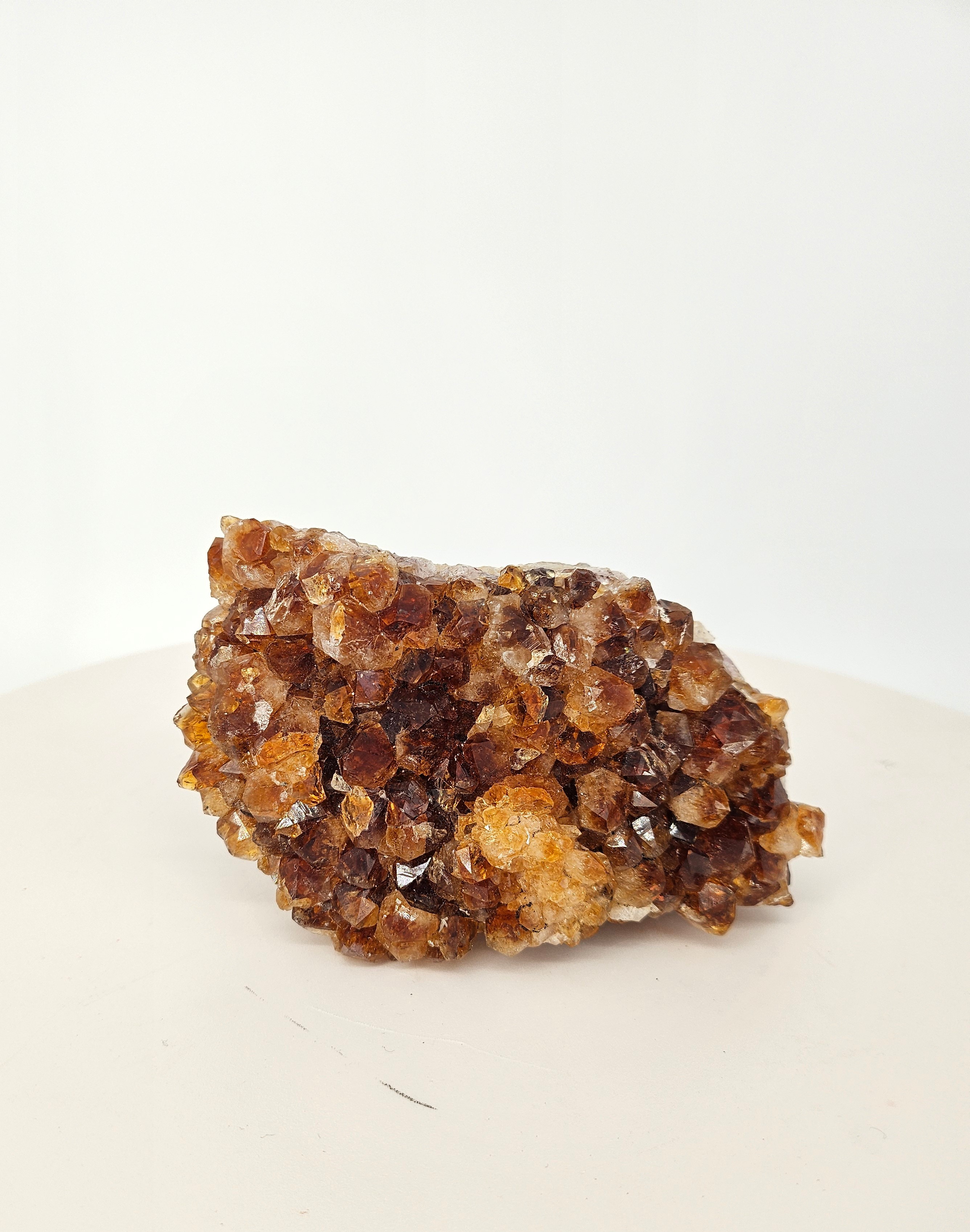
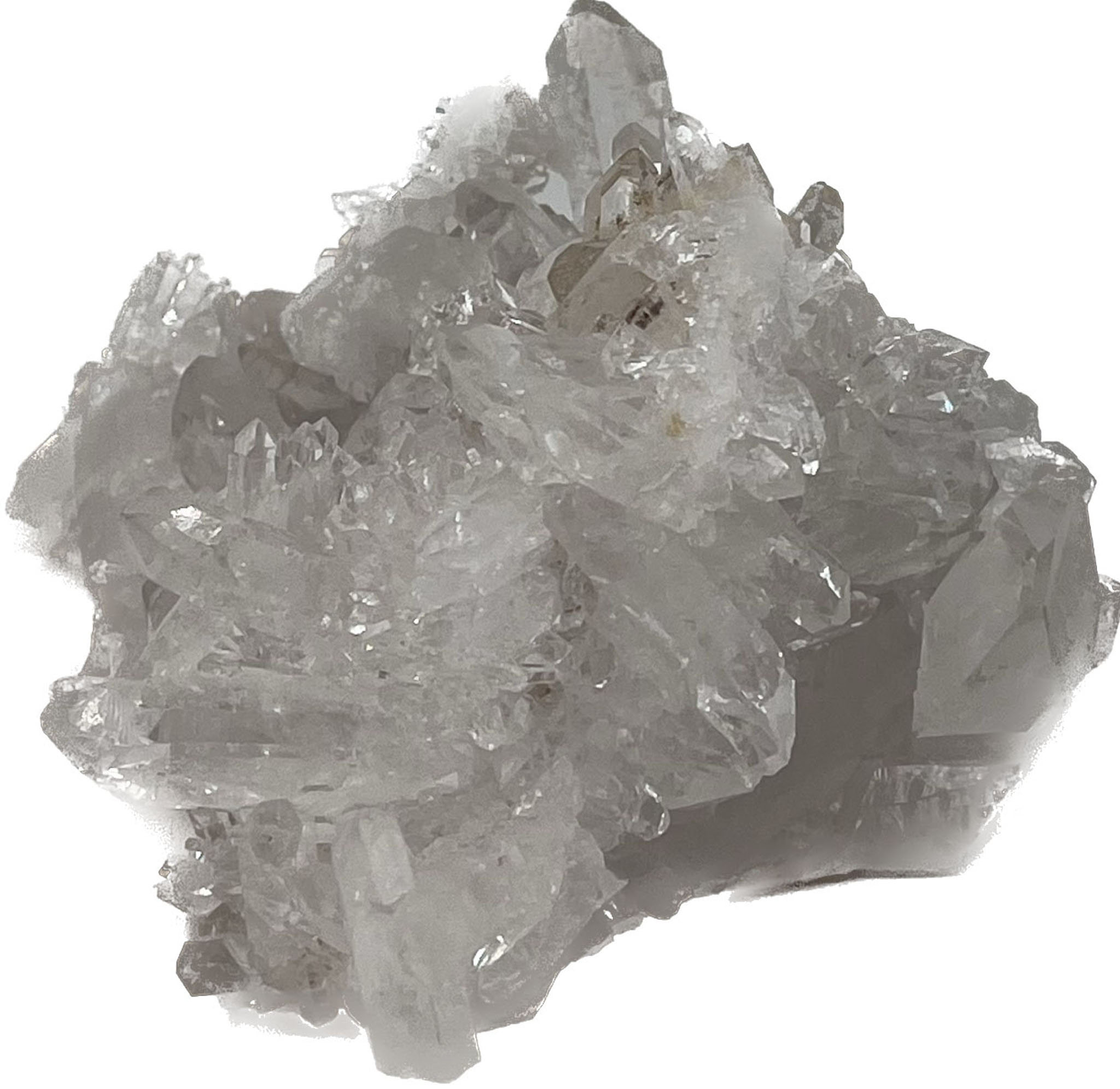
Crystals: Crystals are solid materials with a highly ordered atomic or molecular structure. They form through a process called crystallization, where atoms or molecules arrange themselves in a repeating pattern. Crystals can occur naturally or be synthesized in laboratories. They have a well-defined geometric shape and exhibit unique optical, electrical, and mechanical properties. Crystals are often collected and studied for their aesthetic appeal, scientific value, or industrial applications.
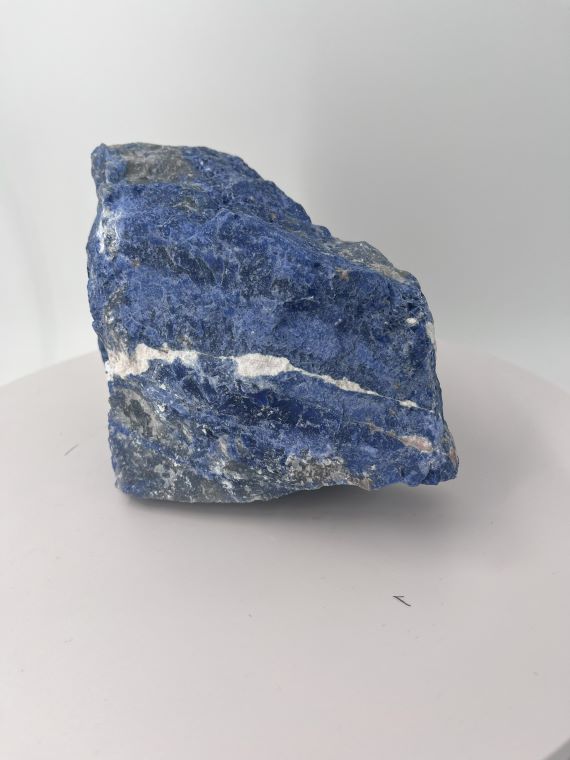
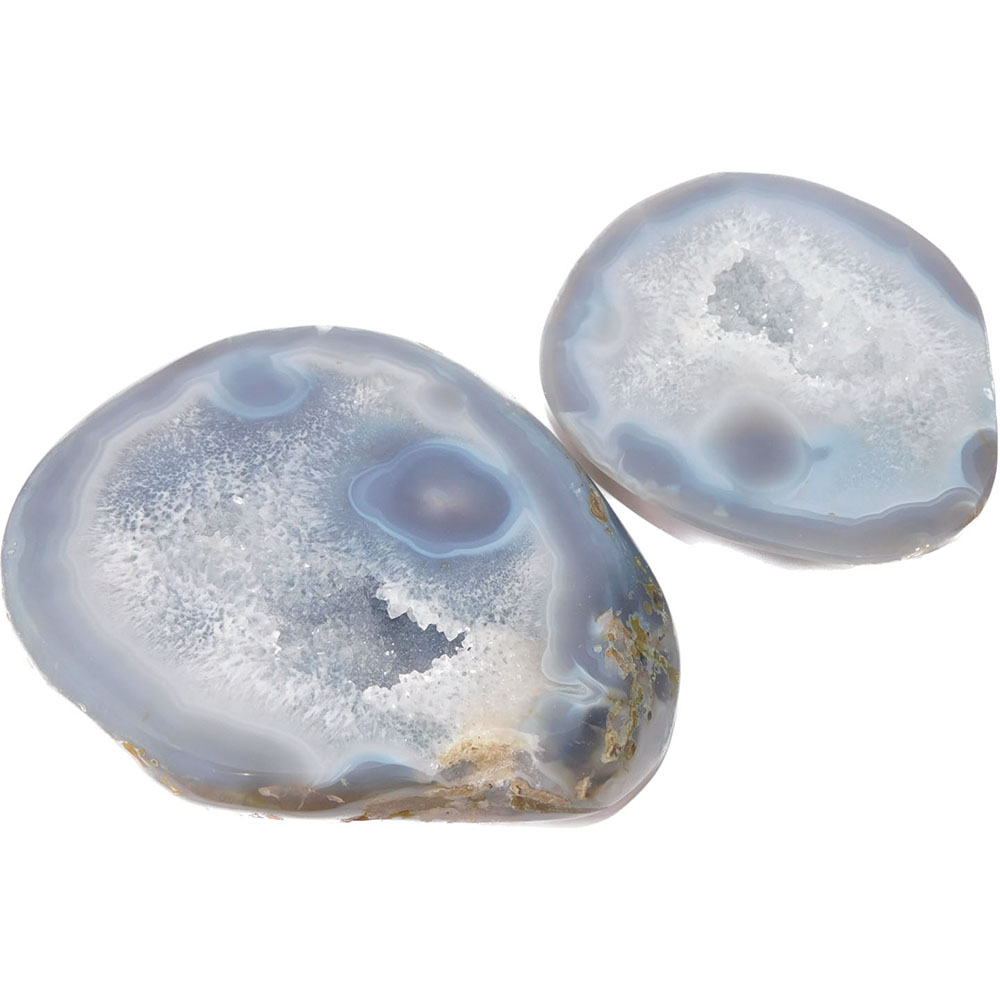
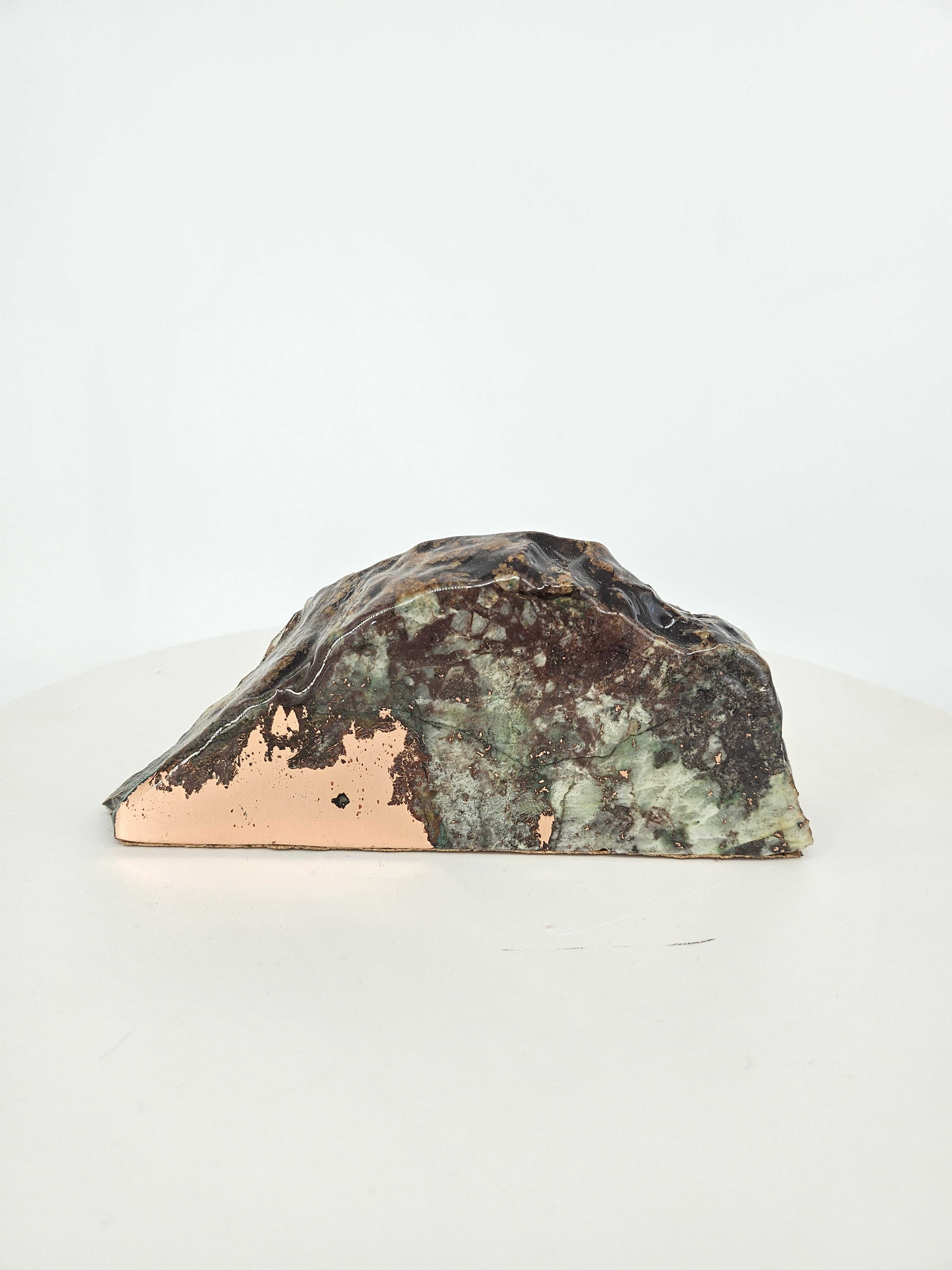
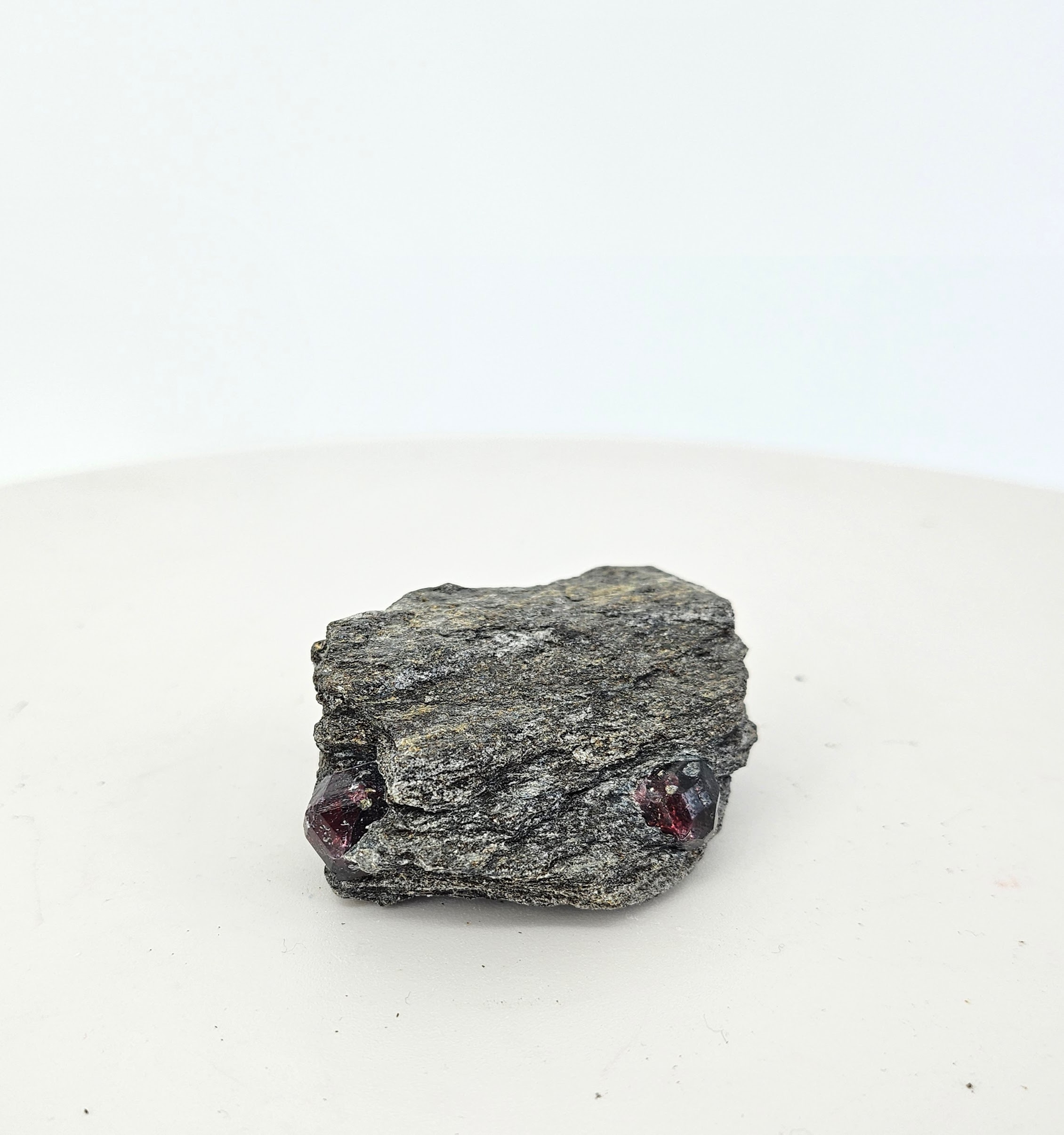
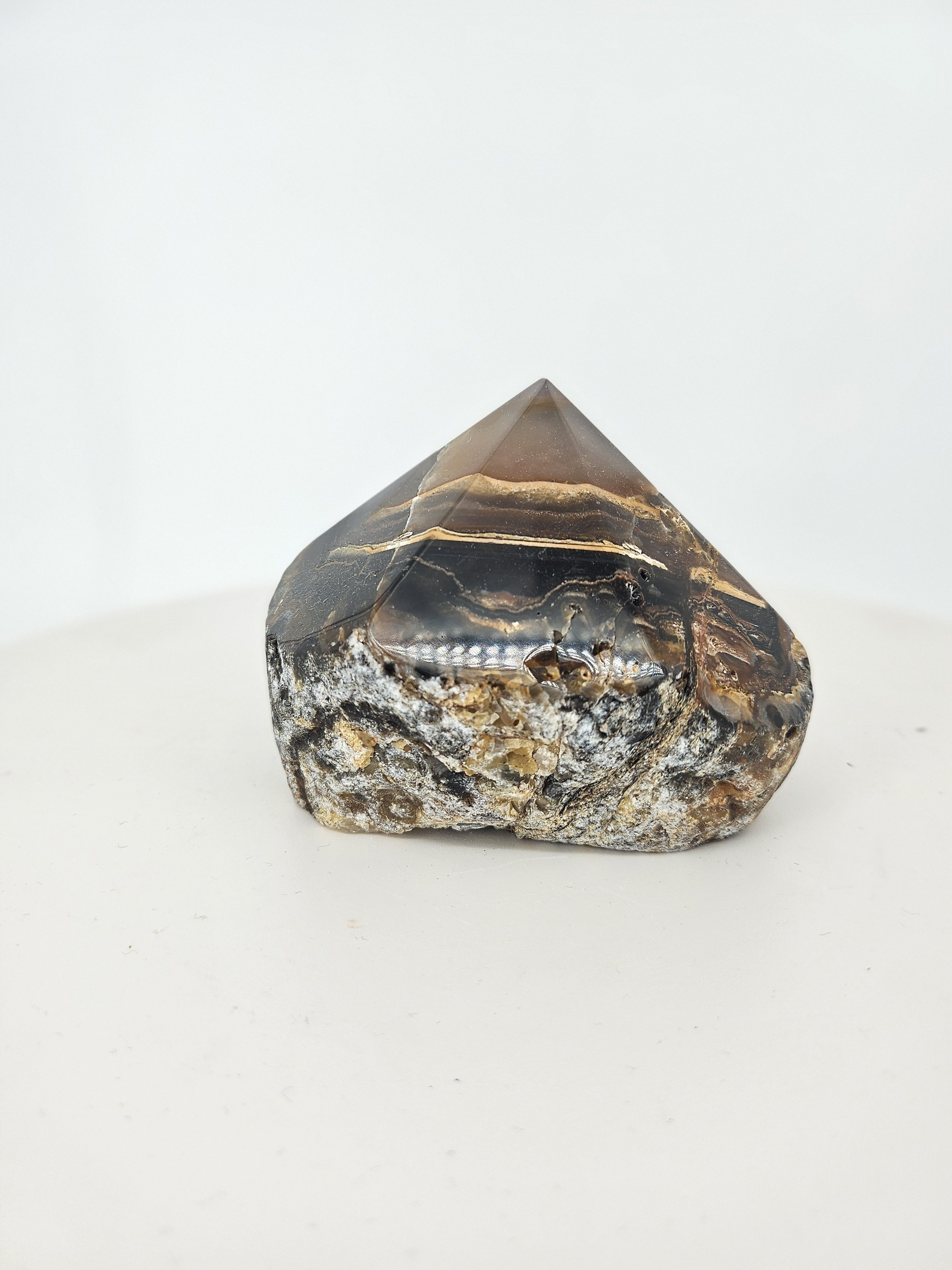
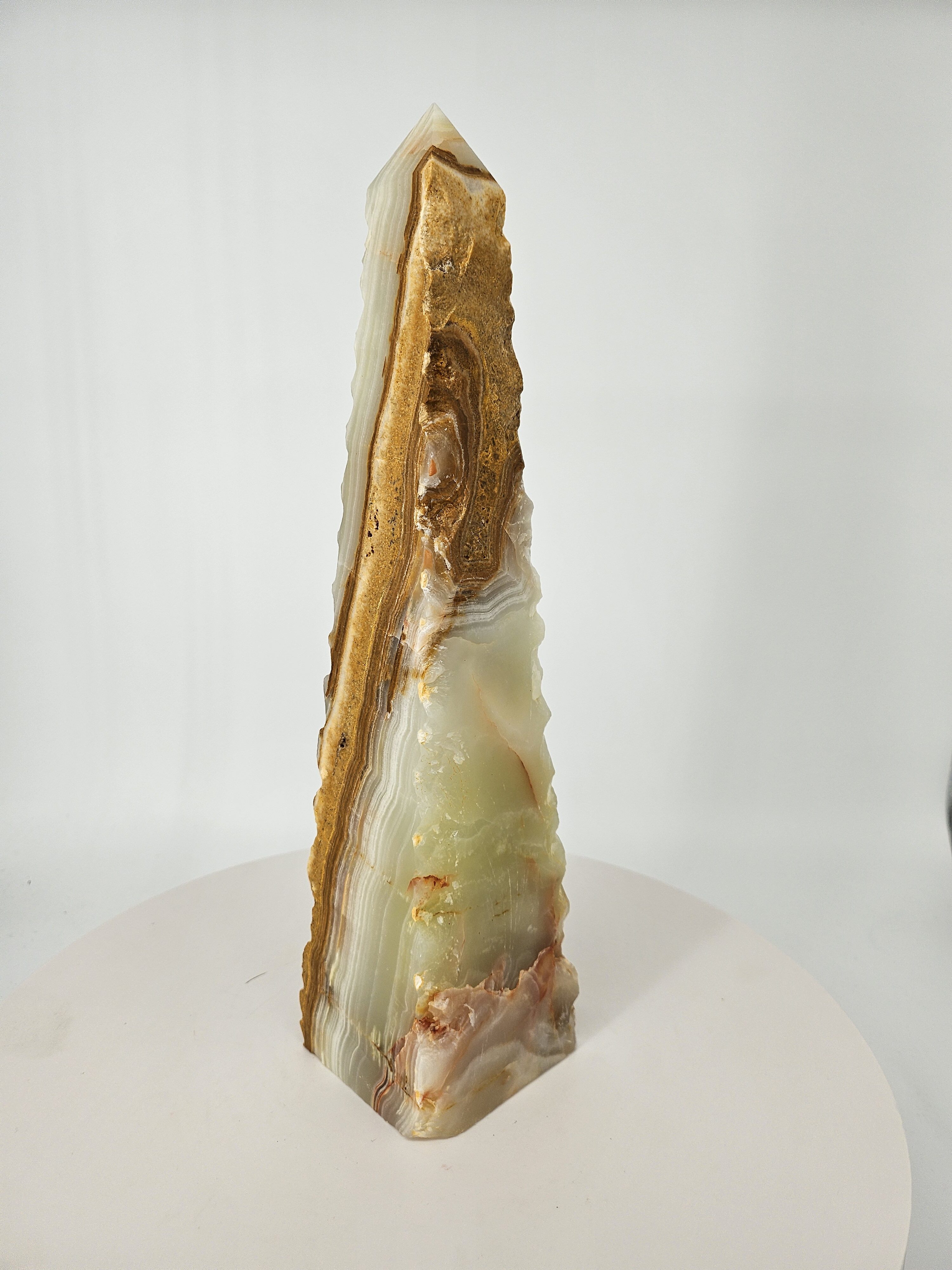
Rocks: Rocks are naturally occurring aggregates of minerals or mineraloids. They are composed of various minerals and can also contain organic matter or volcanic glass. Rocks are classified based on their formation processes: igneous, sedimentary, and metamorphic. Igneous rocks form from the solidification of molten magma, sedimentary rocks are created by the accumulation and compaction of sediments, and metamorphic rocks are formed through the transformation of existing rocks under high pressure, temperature, or chemical processes. Rocks provide insights into Earth's geological history, and they are collected and studied to understand processes like plate tectonics, erosion, and sedimentation.
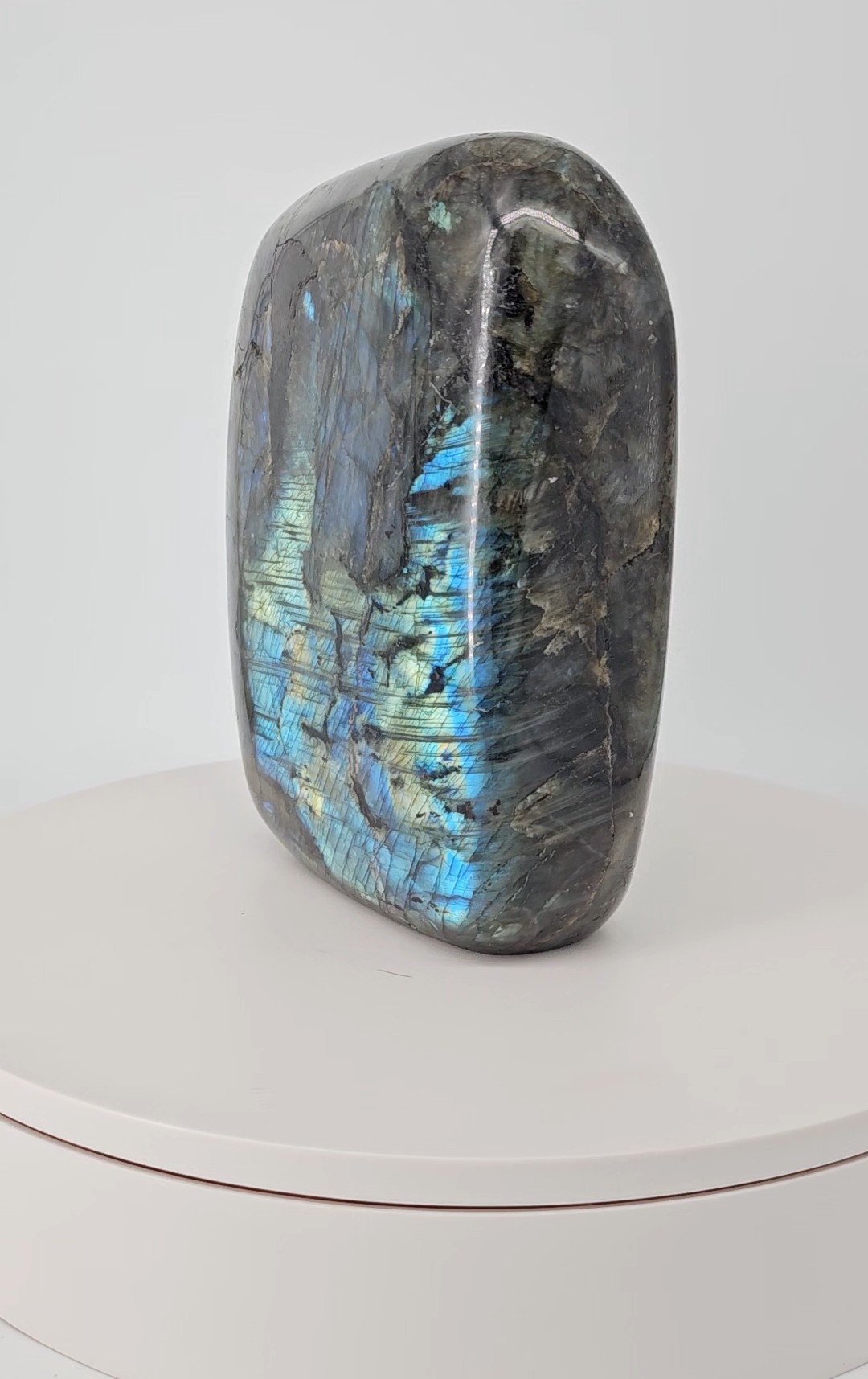
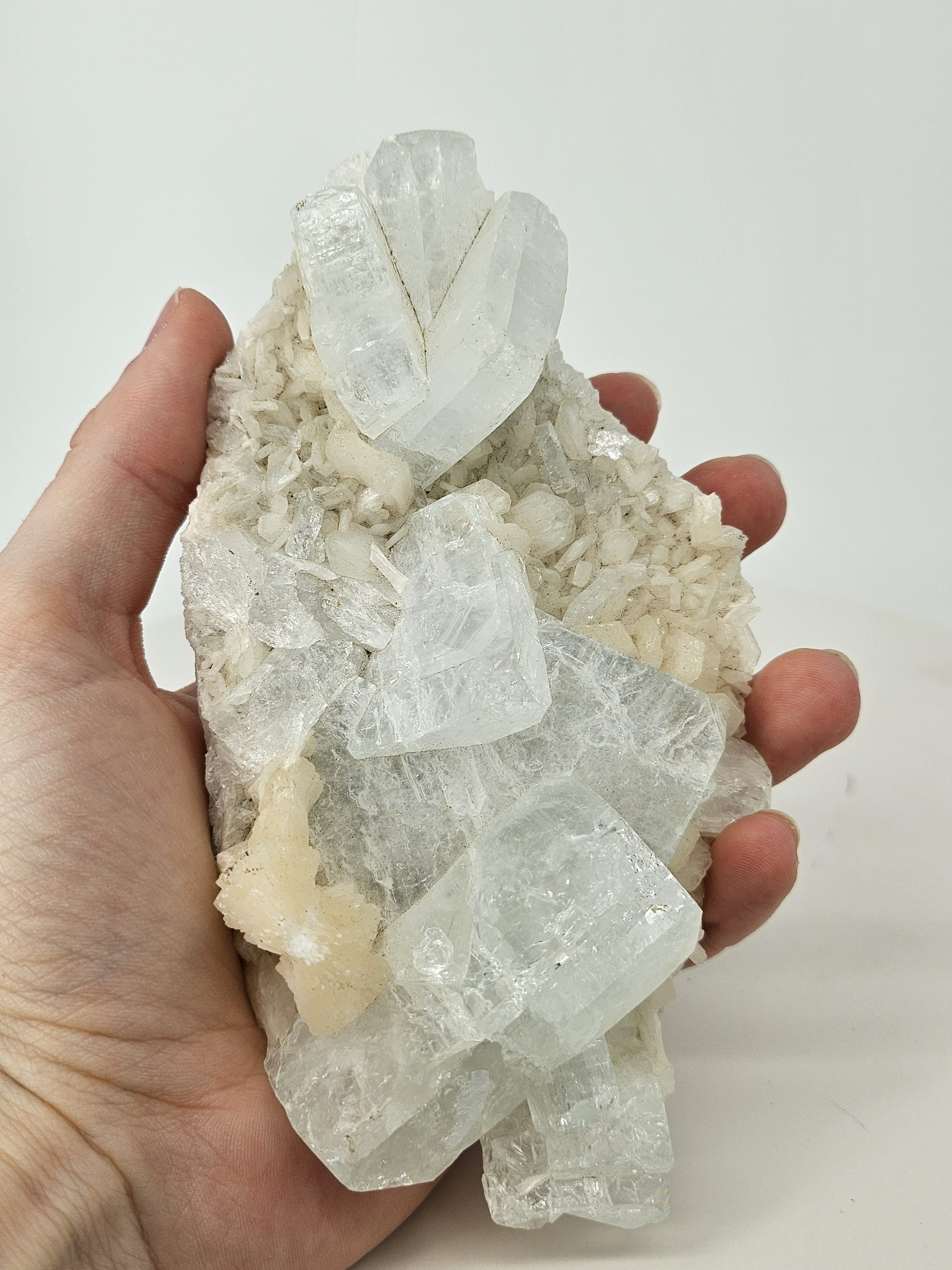
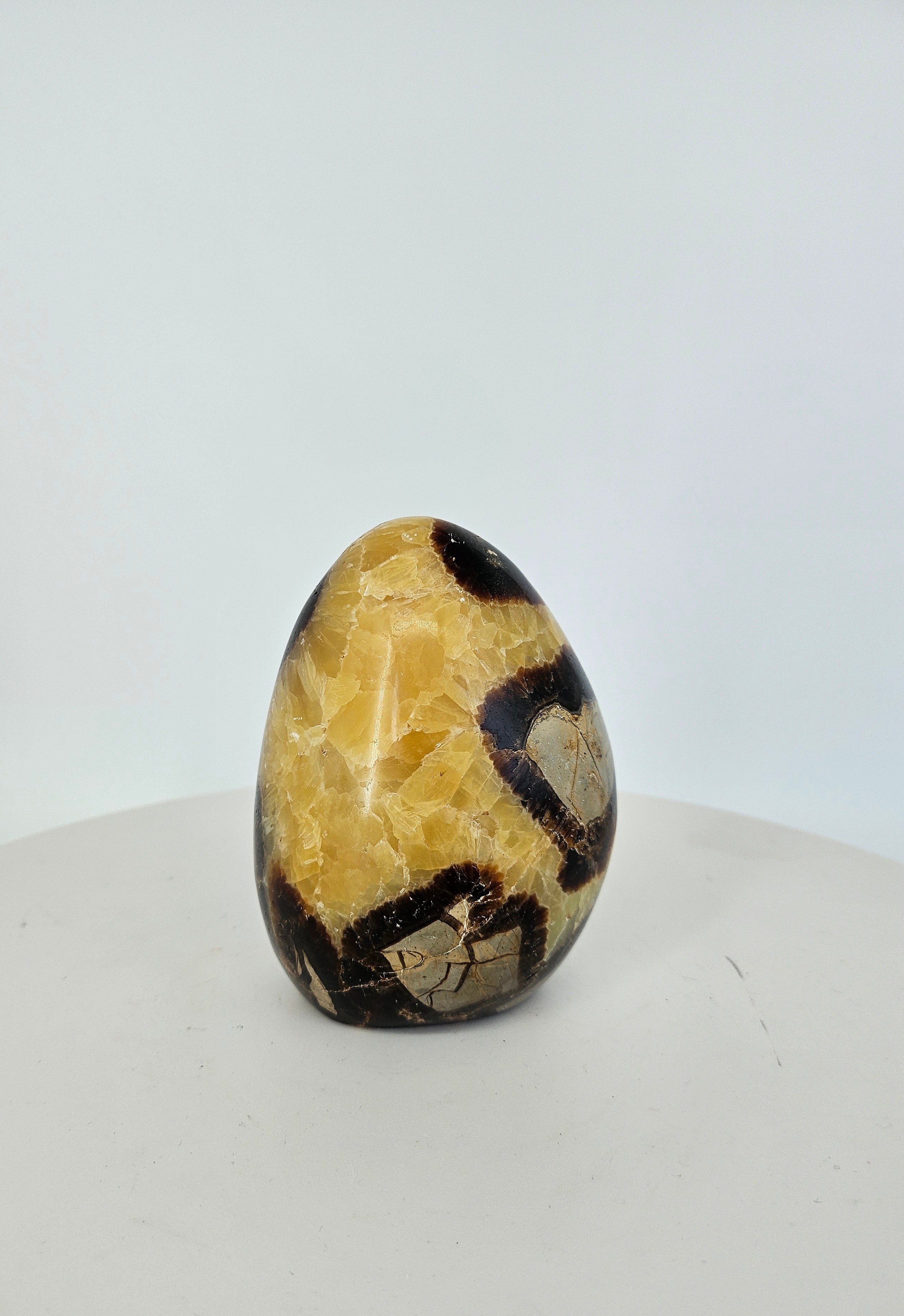
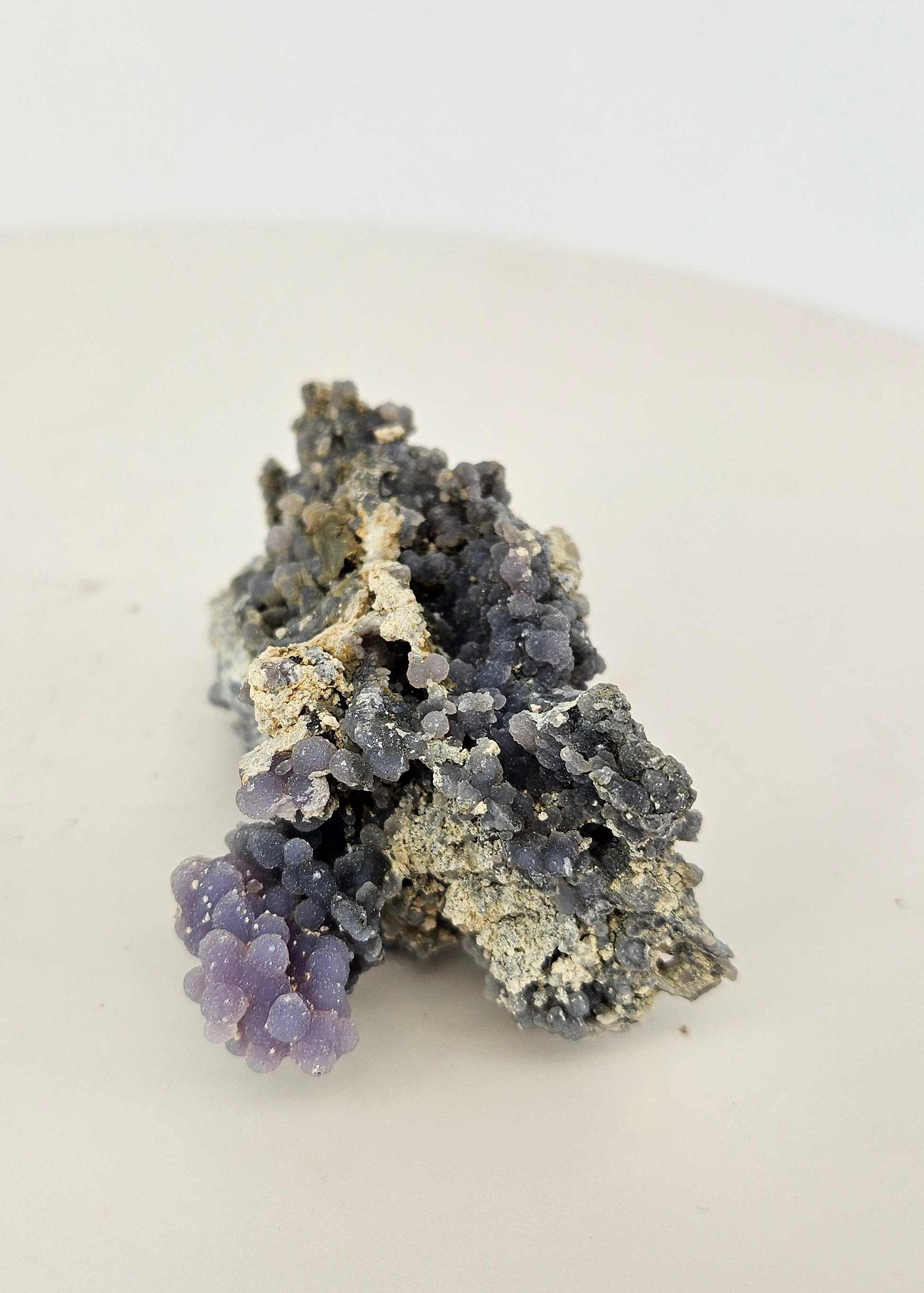
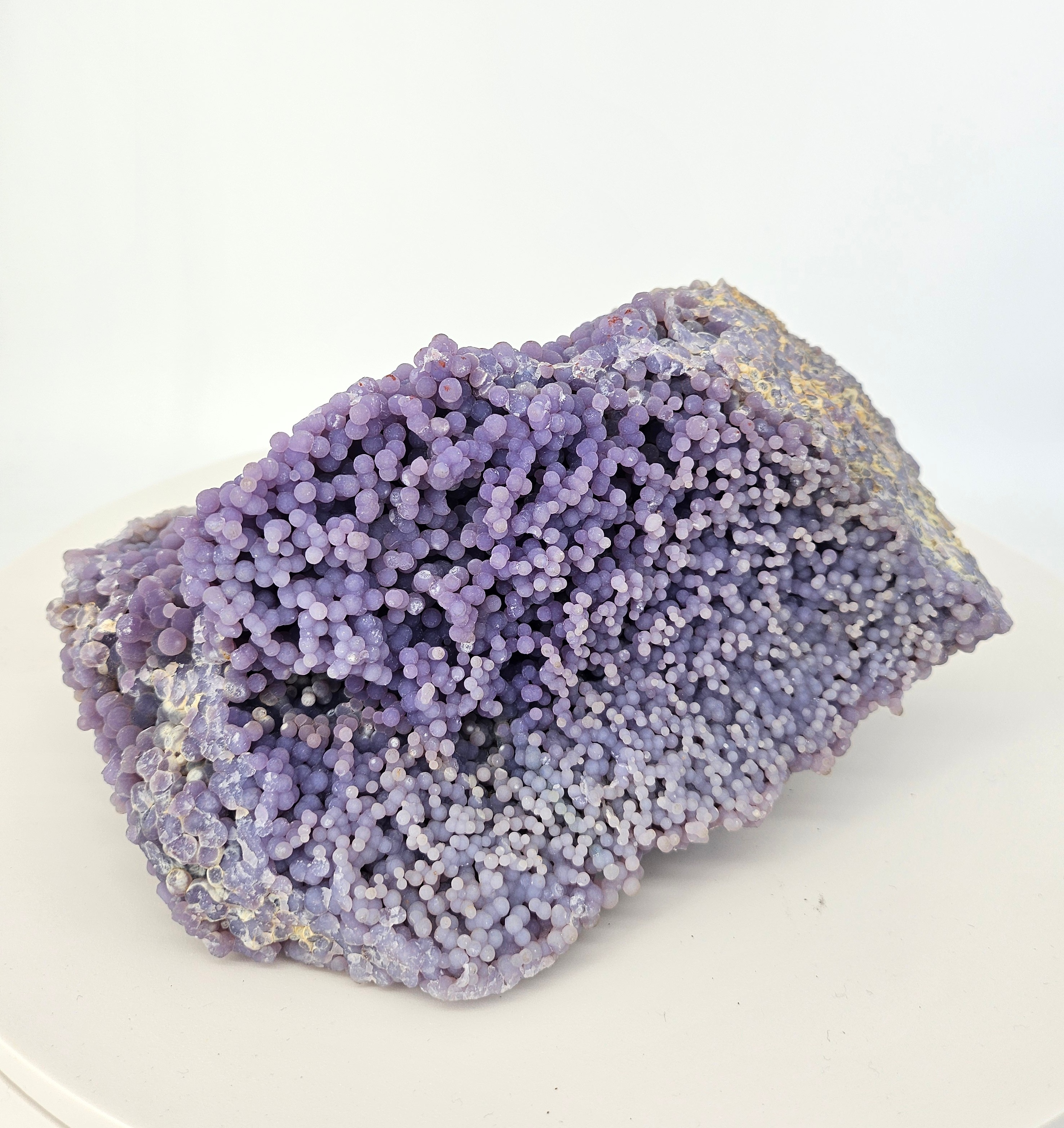
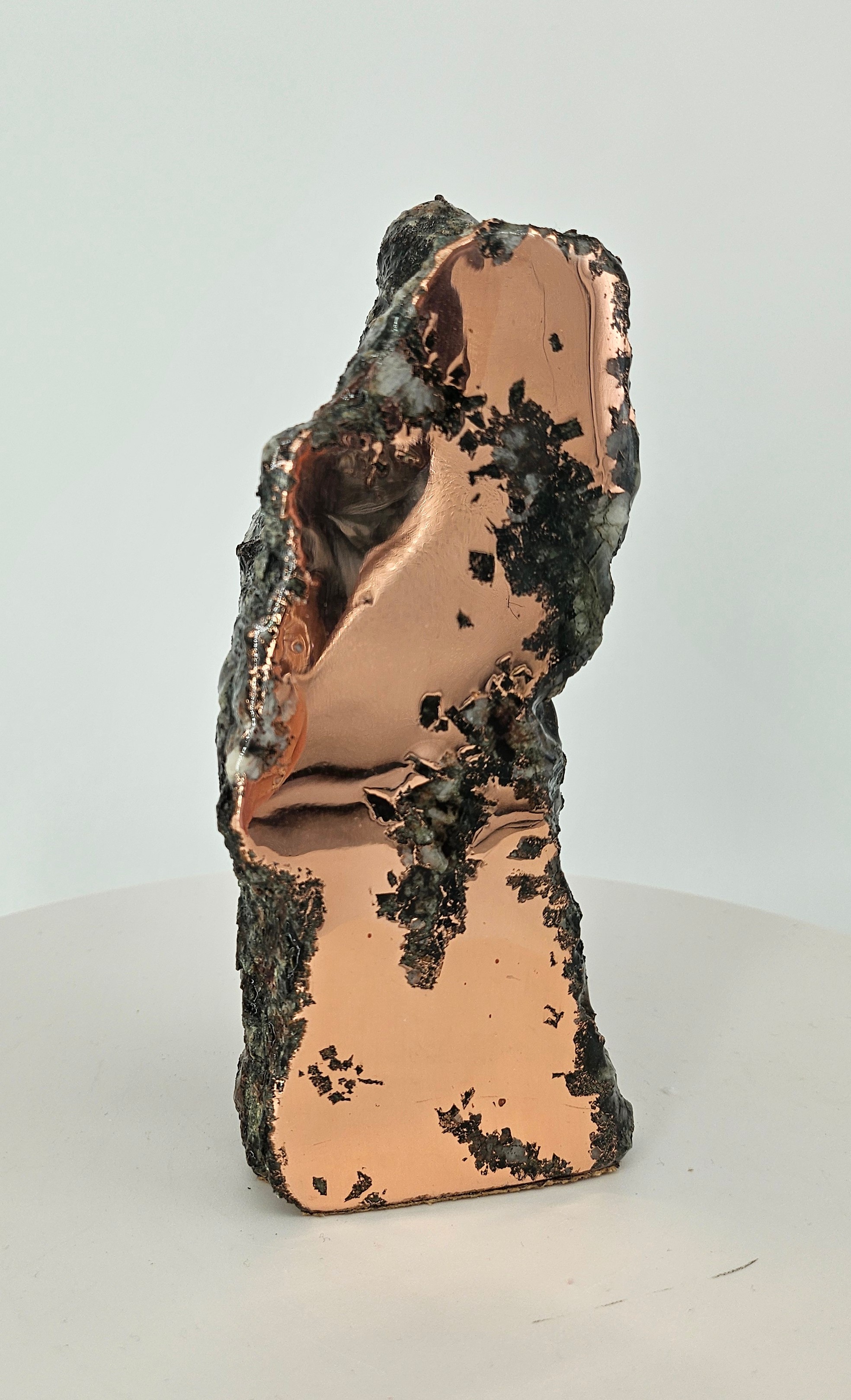
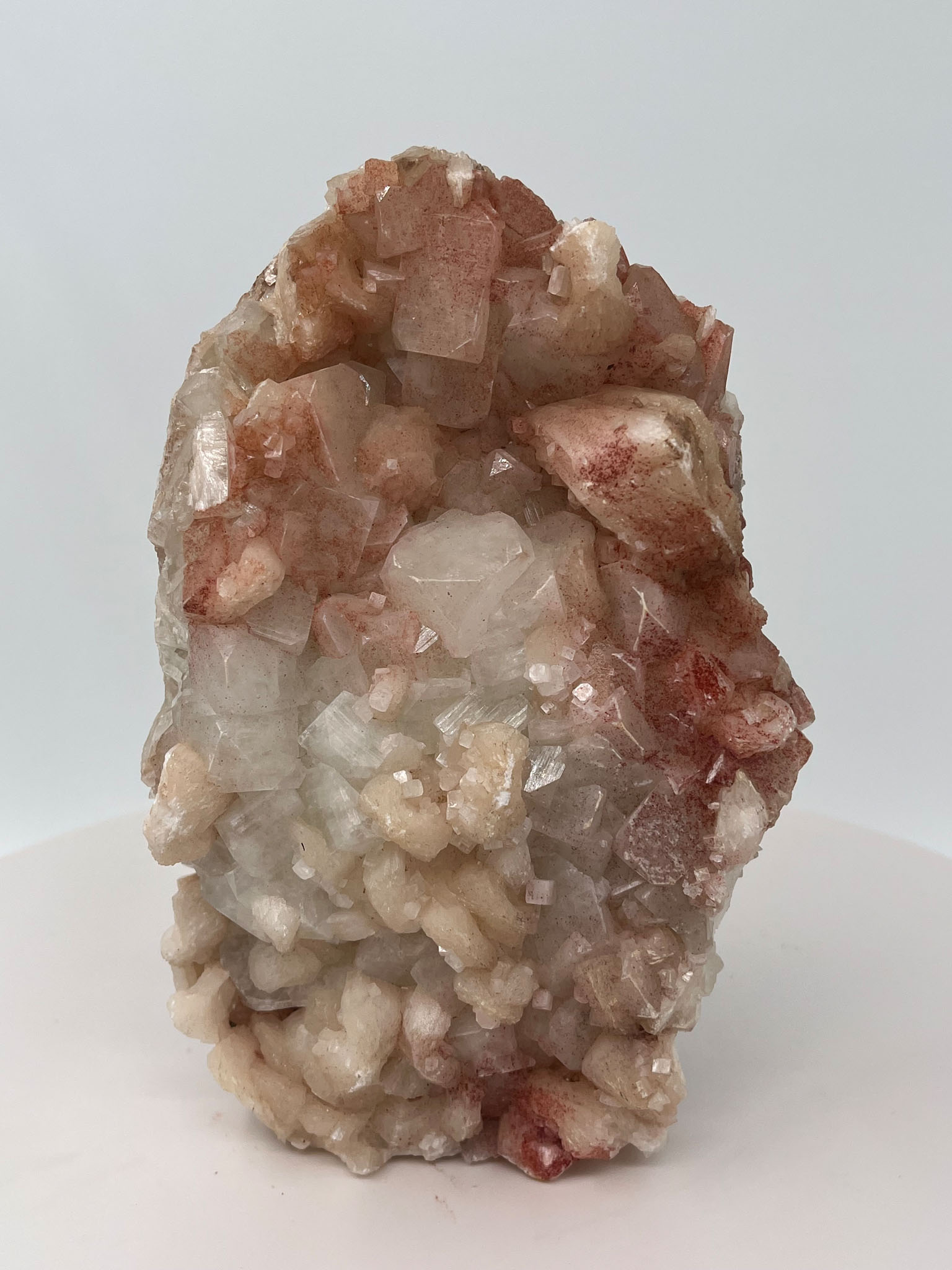
Minerals: Minerals are naturally occurring, inorganic substances with a specific chemical composition and a crystalline structure. They are the building blocks of rocks and are formed through geological processes. Minerals are classified based on their chemical composition and structural characteristics. They have distinctive physical properties such as color, hardness, luster, cleavage, and crystal form. Minerals are collected and studied for scientific research, as well as for their economic value in industries like mining, construction, jewelry, and technology. They can be found in their natural crystal form or as part of rocks.
How do I choose the right specimen?
Choosing the right specimen for your collection can be an exciting and rewarding process. Here are some steps to help you make informed decisions:
- Determine your interests and purpose: Consider what attracts you to collecting specimens. Are you interested in a specific type of specimen, such as minerals, crystals, fossils, or artifacts? Do you have a particular theme or focus, such as geology, paleontology, or cultural history? Understanding your interests and purpose will guide your selection process.
- Research and educate yourself: Before adding a specimen to your collection, it's essential to research and learn about it. Understand its characteristics, properties, rarity, and value, and the factors that contribute to quality, such as color, clarity, size, and condition. Familiarize yourself with reputable sources of information, such as books, websites, museums, and expert opinions.
- Know what matters most to you: Rarity, size, quality, and origin can all vary widely from piece to piece. Deciding ahead of time what matters most to you will help you focus your search and recognize the right specimen when you see it.
- Find reliable sources: Look for reputable, trustworthy people and places to learn about specimens. Established dealers, gem and mineral shows, and museums are all good places to start. It's important to rely on sources who accurately represent their specimens and can provide documentation or certificates of authenticity when applicable.
- Examine the specimens: If possible, examine the specimens in person or review detailed photographs and descriptions. Pay attention to the condition, quality, and authenticity of the specimens. Look for any signs of damage, repairs, alterations, or enhancements. If you have specific criteria or preferences, such as a particular size or color, ensure that the specimen meets your requirements.
- Consider the source and ethical concerns: In certain cases, it's important to consider ethical concerns related to the sourcing of specimens. For example, with artifacts or fossils, make sure they are legally obtained and comply with relevant laws and regulations. Be cautious about specimens that may have come from protected areas, archaeological sites, or unethical practices.
- Seek expert advice if needed: If you are new to collecting specimens or if you are considering high-value or rare items, consider seeking advice from experts or experienced collectors. They can provide valuable insights, help you assess the quality and value of specimens, and guide you in making informed decisions.
Remember, collecting specimens can be a lifelong journey, so take your time, enjoy the process, and gradually build a collection that aligns with your interests and passions.